One of the most discussed aspects of Zhu Yu lies in its multi-layered CP (couple pairing) structure. Rather than relying on a single emotional axis, the drama builds three distinct relationship models, each targeting different audience preferences. From grounded “married life realism” to high-intensity toxic romance and restrained intellectual affection, these CPs collectively shape the show’s discussion heat.
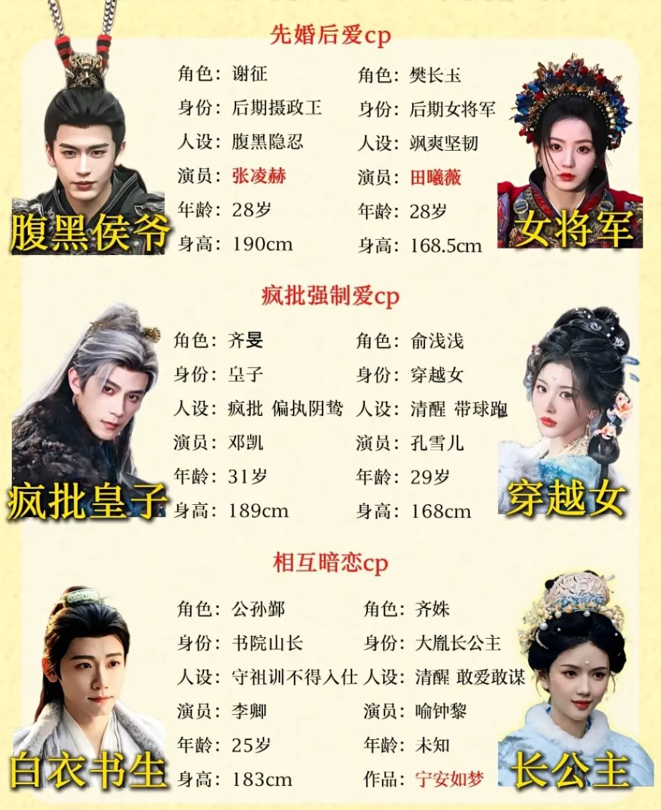
Main CP: Xie Zheng × Fan Changyu — A “Mutual Redemption” Marriage with Earthy Realism
At the center of Zhu Yu is the pairing of Xie Zheng and Fan Changyu, often described by viewers as the “most grounded couple” in the series. Their relationship begins with a contract marriage—Fan Changyu, a butcher girl, rescues the fallen noble Xie Zheng in the snow, leading to a “fake live-in husband” arrangement.
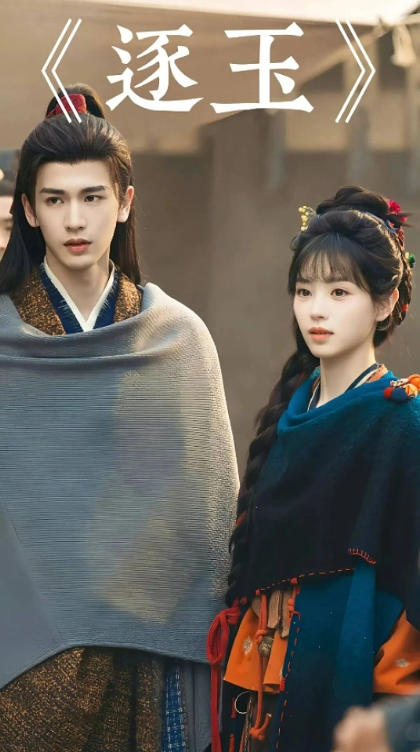
What sets this CP apart is its strong sense of everyday life. Their bond develops not through grand romantic gestures alone, but through shared survival—running a small braised meat shop, navigating daily struggles, and slowly building trust. Fan Changyu’s straightforward confession—“I’ll butcher pigs to support you”—has become emblematic of their dynamic: practical, direct, yet deeply sincere.
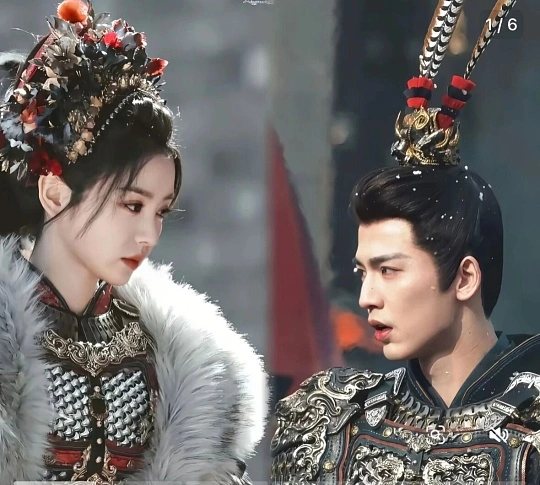
Emotionally, the pairing thrives on contrast. Xie Zheng’s volatility—losing control in moments of danger, only to be grounded instantly by Changyu’s words—creates a push-and-pull tension. His later act of self-punishment on the battlefield further reinforces the “redemption arc,” transforming their relationship into a narrative of healing on both sides. This “wild yet warm” chemistry forms the emotional backbone of the drama.
Secondary CP: Yu Qianqian × Qi Min — Extreme “Toxic Love” and Tragic Closure
If the main CP represents warmth and growth, the pairing of Yu Qianqian and Qi Min embodies the opposite: intensity, control, and destruction. Their storyline follows a classic “forced love” trajectory, but pushes it to an extreme.
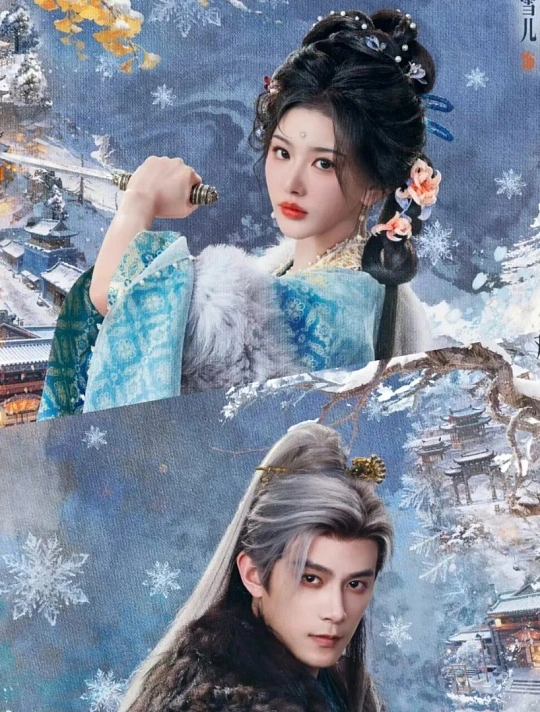
Yu Qianqian, a time-traveling woman, saves the disfigured prince Qi Min, only to be imprisoned by him and forced into a relationship that results in pregnancy. After escaping and rebuilding her life over five years, she is dragged back into Qi Min’s orbit through coercion—he uses their child as leverage to force reconciliation.
This relationship ultimately ends in tragedy, with Yu Qianqian poisoning Qi Min, completing a full cycle from rescue to captivity to irreversible rupture. Unlike typical redemption arcs, this CP offers no emotional reconciliation, instead presenting a closed-loop tragedy (BE). Its shock value and moral ambiguity have made it one of the most debated elements among viewers.
Gong Sun Yin × The Grand Princess — A Quiet “Soulmate” Bond Under Constraint
The third notable pairing—Gong Sun Yin and the Grand Princess—appeals to audiences drawn to subtle, restrained emotional storytelling. Their connection is less about overt romance and more about intellectual and spiritual resonance.
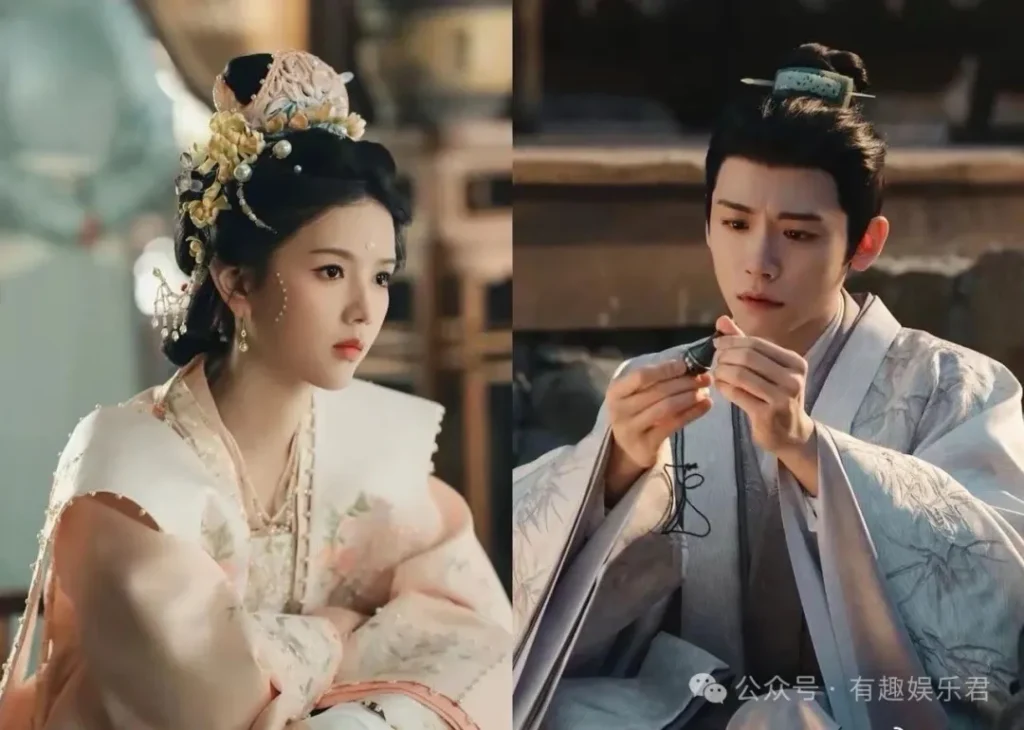
However, their relationship is fundamentally constrained by structural barriers. Gong Sun Yin comes from a family bound by strict ancestral rules: no entry into officialdom and no marriage with the royal family. The Grand Princess, as a member of the imperial lineage, stands on the opposite end of the social hierarchy. Between them lie not only personal hesitation, but institutional and historical limitations.
This creates a form of “silent longing,” where mutual understanding exists, yet cannot fully materialize into a conventional romantic relationship. For many viewers, this restrained dynamic carries a different kind of emotional weight—one rooted in inevitability and sacrifice rather than fulfillment.
Conclusion: Three Emotional Models, Three Audience Entry Points
The success of Zhu Yu’s CP design lies in its diversity. The main CP offers warmth and relatability, the secondary CP delivers intensity and controversy, while the third pairing provides quiet depth and reflection. Together, they form a layered emotional ecosystem that allows different audience groups to “find their own entry point” into the story.
Ultimately, the question remains: among these three, which one resonates with you the most?

