In the northwestern reaches of Quang Nam Province, where mountain ranges stretch toward the Lao border, Tay Giang remains largely unfamiliar to mass tourism. There are no beaches or bustling heritage towns here. Instead, the landscape reveals itself through old-growth forests, waterfalls hidden deep within the mountains, drifting morning mist, and the unhurried rhythm of life among the Co Tu people. It is a beauty that does not seek attention, yet gently invites visitors to stay longer than they first intended.
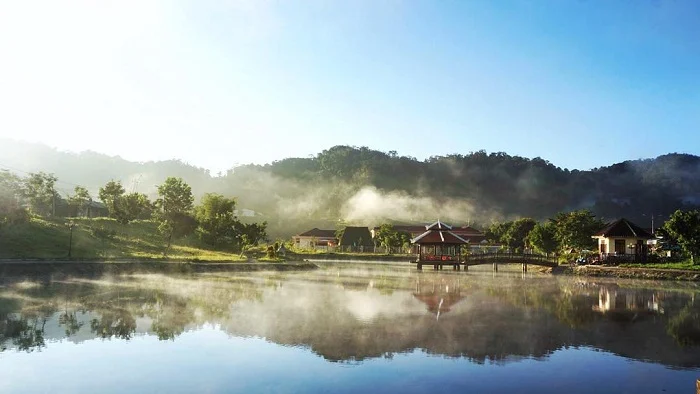
The road into Tay Giang winds through layers of forested hills, gradually distancing travelers from the pace of lowland life. The air grows cooler and cleaner, and the uninterrupted green creates the sense of entering a different space—one where time slows and everything feels measured and calm. Tay Giang does not greet visitors with lively attractions, but with a rare sense of quiet and an unspoiled natural environment.
The scenery here is both powerful and restrained. Ancient forests stretch across the terrain, small streams run over stone beds, and waterfalls descend from above into secluded valleys. In the early morning, mist blankets the paths and villages emerge faintly from the landscape, blending seamlessly with the surrounding mountains. Each moment of the day carries its own atmosphere, making it easy to forget the urgency often associated with more familiar destinations.
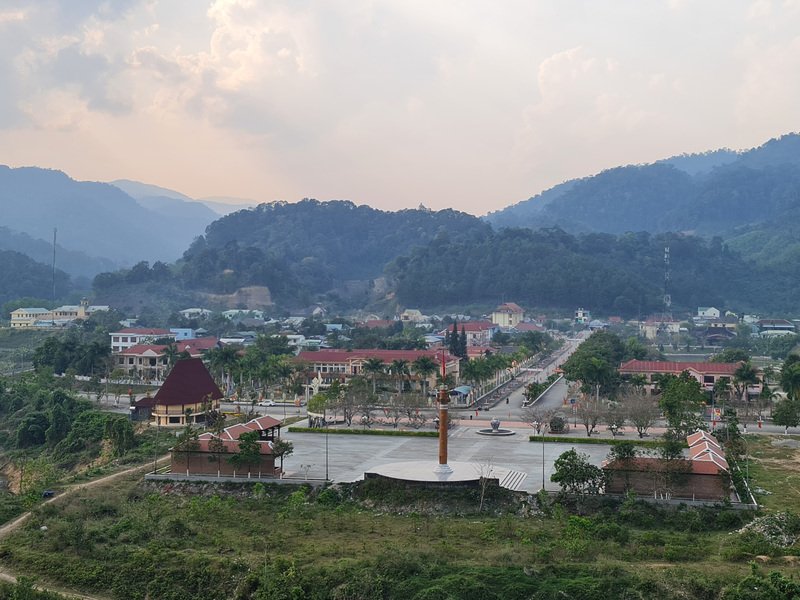
What gives Tay Giang its depth is not only its natural setting, but also the cultural life of the Co Tu community. Stilt houses are scattered along the hillsides, daily conversations are simple and grounded, and routines remain closely tied to the forest and the land. Local traditions are still preserved in architecture, clothing, customs, and cuisine. For visitors, this is not an experience designed for display, but an opportunity to observe, listen, and gain insight into a different way of living.
Tay Giang is particularly well suited to slow travel. There is no need for packed itineraries or long lists of must-see spots. A few days spent walking through the forest, sitting by a stream, speaking with local residents, or simply remaining still in a quiet setting are enough to appreciate the value of the place. It is a destination for those seeking balance, distance from crowds, and experiences that are not performative.
As tourism increasingly moves toward sustainability and meaningful engagement, Tay Giang represents an alternative choice—less prominent, less convenient, yet sincere and emotionally resonant. Its appeal lies not in polish or perfection, but in its authenticity, where nature and people coexist in a slow, harmonious rhythm.
Perhaps Tay Giang does not need to become a crowded destination. By preserving its inherent quiet, it offers those willing to slow down and look deeper a genuine pause amid the mountains of Quang Nam.

