The historical mystery drama Unveil: Jadewind has officially premiered with a simultaneous television and online release, securing a prime-time slot on CCTV-8. Starring Bai Lu and Wang Xingyue, the series is set against the backdrop of the Tang Dynasty and follows Inner Court official Li Peiyi and Imperial Astrologer Xiao Huaijin as they work together to solve a string of enigmatic cases. As the investigations unfold, they gradually uncover the long-buried truth behind Li Peiyi’s family massacre fifteen years earlier.
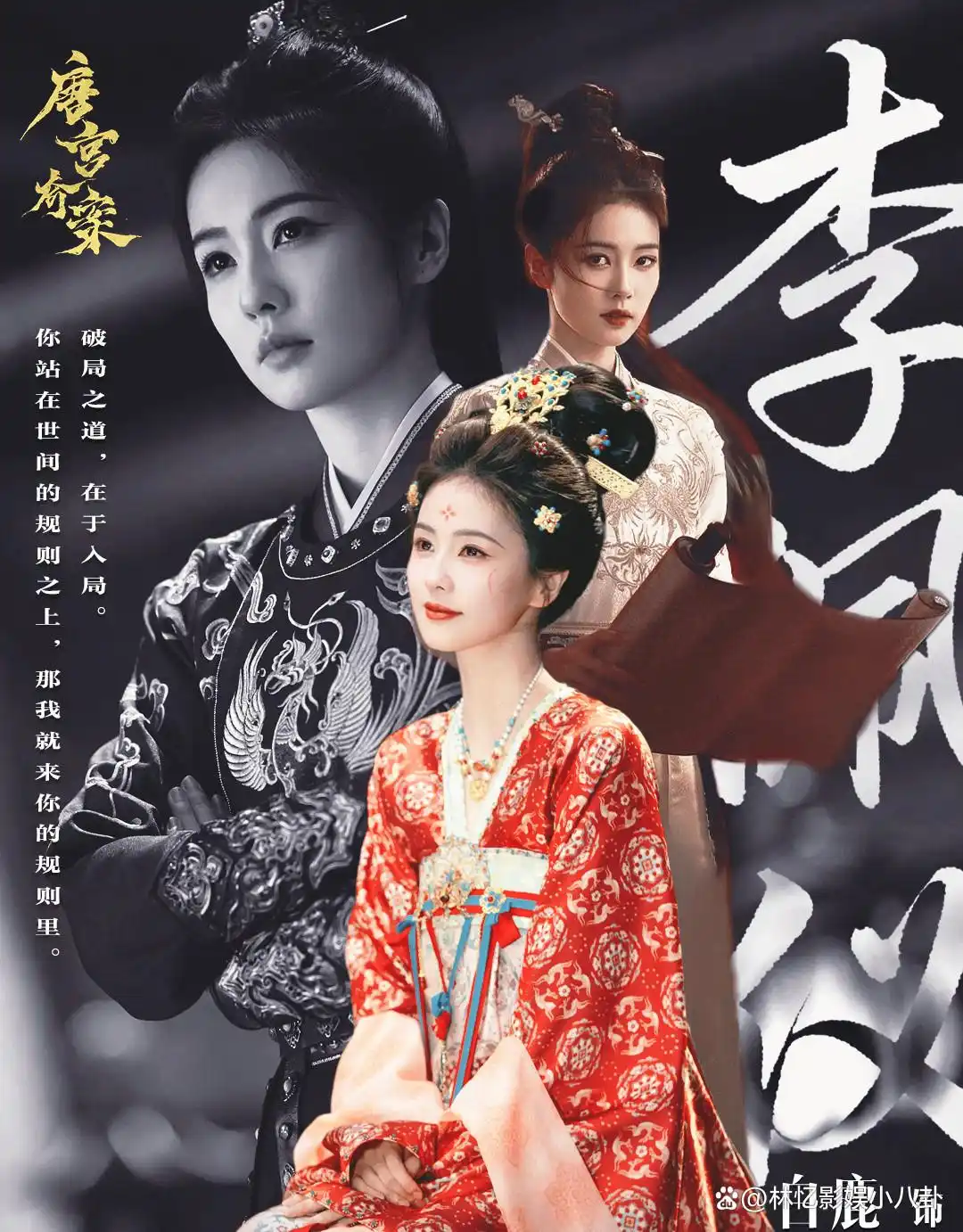
At first glance, Unveil: Jadewind fits within the familiar framework of a period crime drama. However, what distinguishes it is its clear narrative commitment to a female perspective. Rather than positioning male characters as the primary drivers of deduction and action, the series places Li Peiyi at the center of the investigative process. While the drama adopts a case-based structure, the individual mysteries are interconnected, collectively building toward a broader emotional and thematic arc.
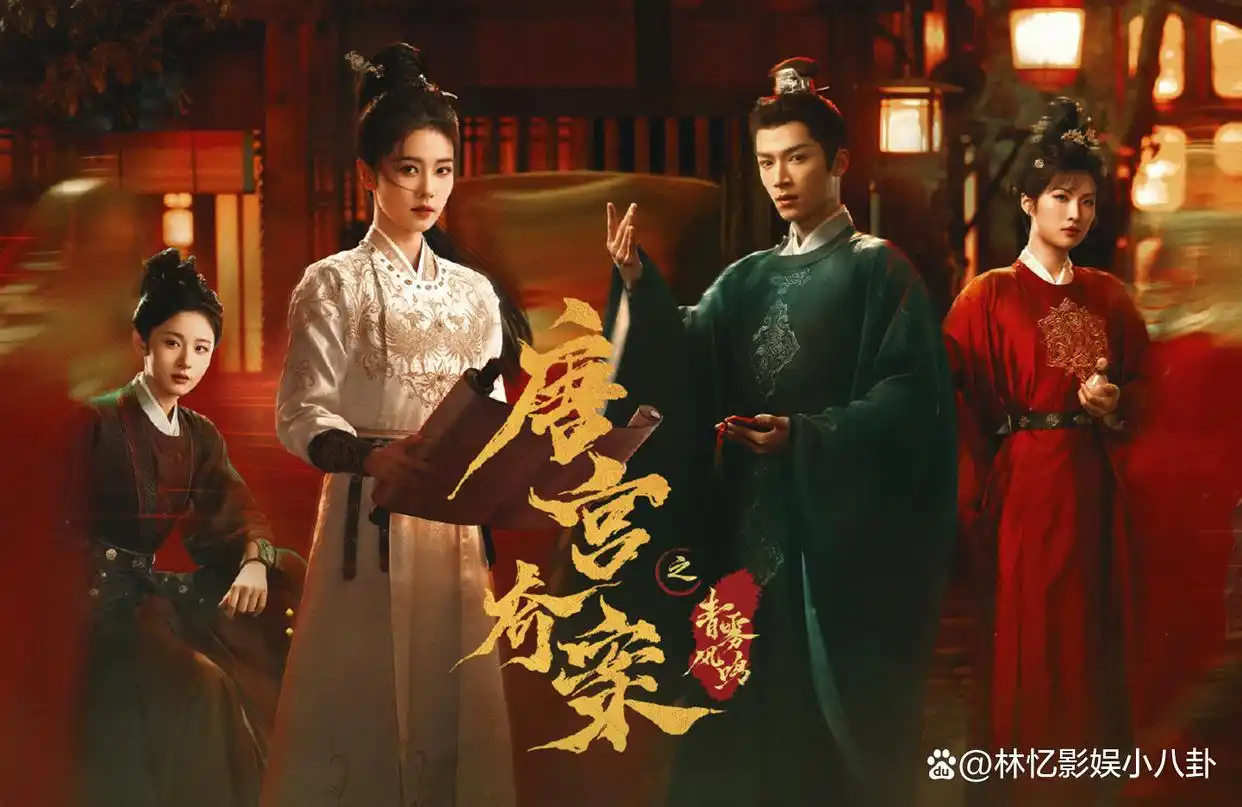
Each case blends suspense with social commentary. Supernatural rumors, ritualistic deaths, and concealed crimes serve as narrative entry points into deeper reflections on power, gender, and confinement. Many of the cases subtly highlight the restricted roles and harsh realities faced by women within rigid court systems and family hierarchies. This approach allows the series to balance entertainment with a layer of social observation, without turning overtly didactic.
Bai Lu’s portrayal of Li Peiyi emphasizes restraint and resolve rather than exaggerated toughness. The character’s strength is shaped by loss and perseverance, expressed through decisive action and moral clarity rather than rhetoric. Her determination to uncover the truth stems from personal trauma, yet the performance avoids reducing her to a single emotional register. The demanding action sequences and physical confrontations further reinforce the character’s credibility within the narrative world.
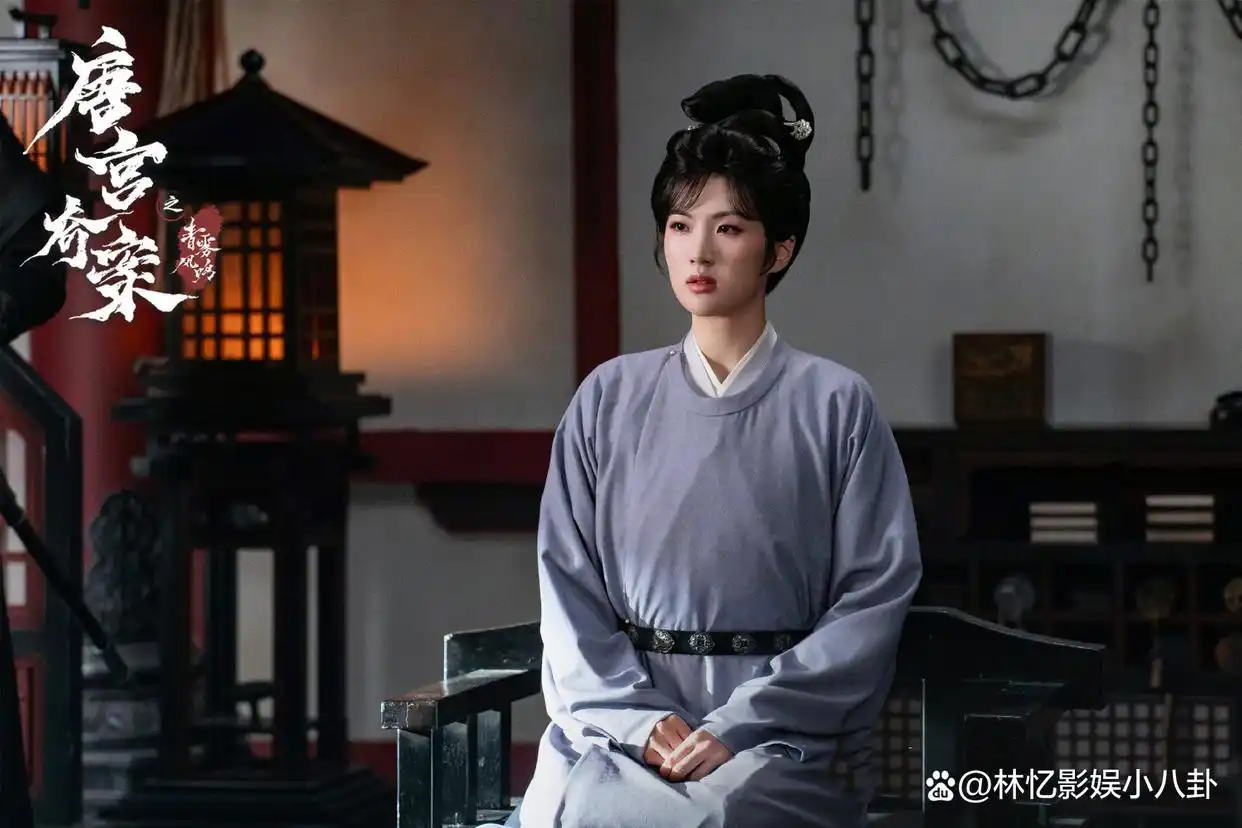
In contrast, Wang Xingyue’s Xiao Huaijin embodies calm rationality. As an official skilled in astronomy, numerology, and analytical reasoning, he approaches each case from a logical standpoint. His dynamic with Li Peiyi is built on complementarity rather than dominance. The progression from mutual skepticism to professional trust unfolds gradually, ensuring that character development supports the investigative storyline rather than overshadowing it.

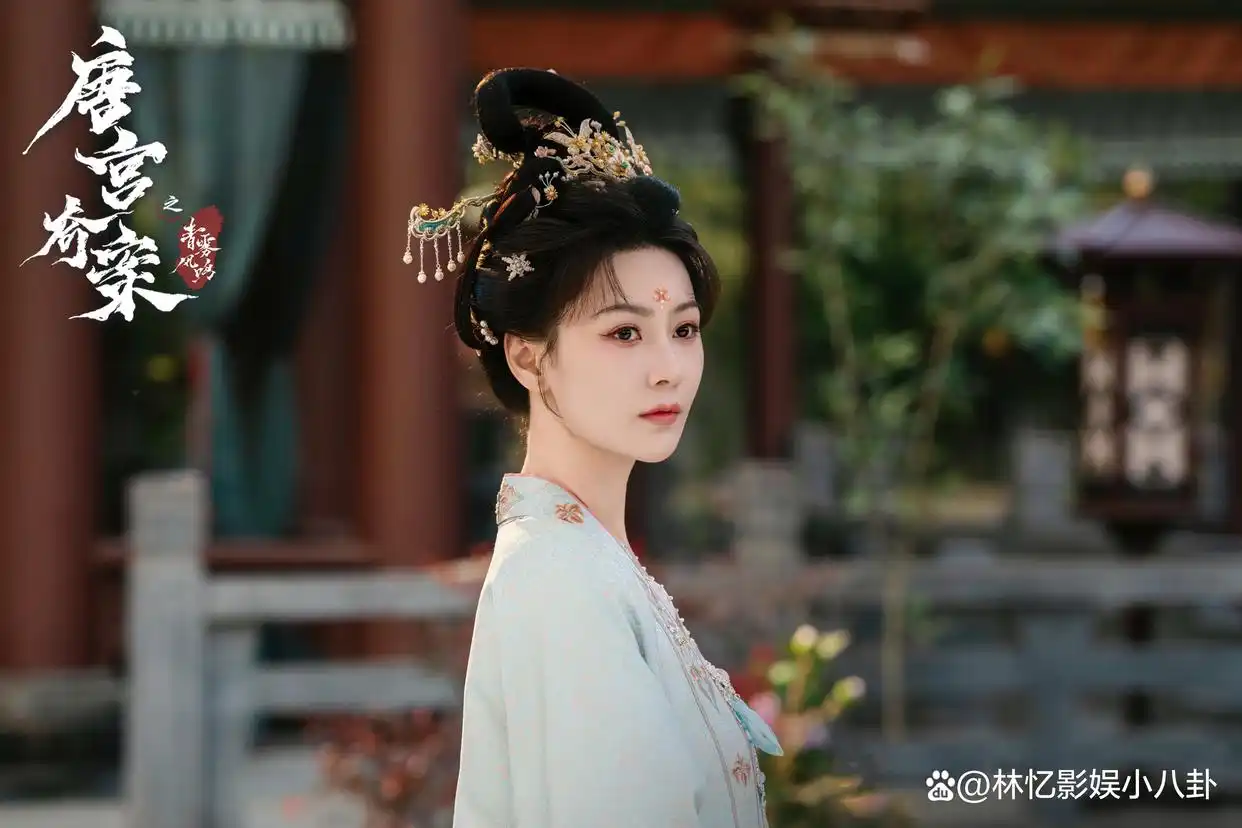
The supporting cast adds additional texture to the series. Yao Anna’s role as Pei Yu, a talented medical officer, reinforces the drama’s recurring focus on women challenging professional and societal limitations. The presence of experienced supporting actors also lends stability to the ensemble, grounding the story in performances that feel measured and consistent.
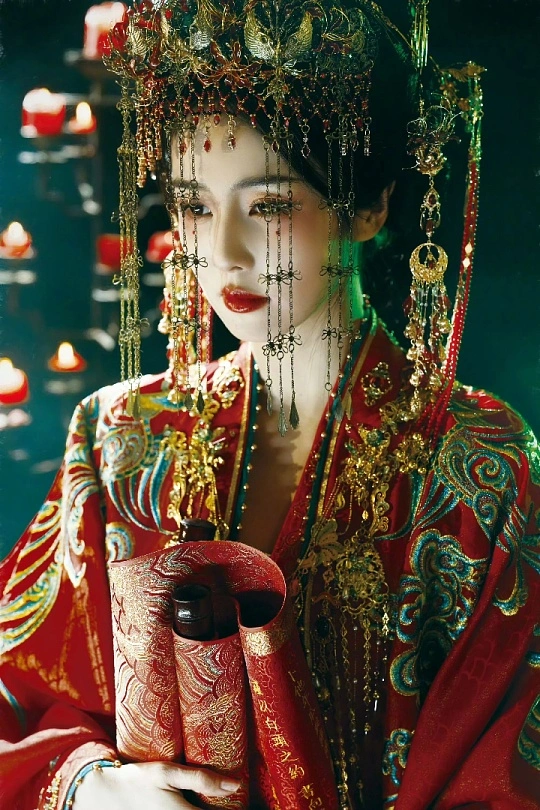
Visually, director Yin Tao blends traditional Chinese aesthetics with elements drawn from folk beliefs and ritual imagery. Funeral customs, symbolic colors, and ceremonial motifs are used to create an atmosphere of unease without excessive reliance on shock value. This restrained approach to “oriental horror” enhances the series’ tone, allowing suspense to emerge organically from setting and circumstance.
From a production perspective, the collaboration between director Yin Tao and screenwriter Meng Yang provides a solid foundation. Both are known for their ability to balance narrative rhythm with emotional nuance, and that experience is evident in the series’ pacing and structural coherence. The adaptation respects genre conventions while subtly expanding them to accommodate a more character-driven focus.
Overall, Unveil: Jadewind does not aim to radically reinvent the historical mystery genre. Instead, it refines familiar elements through a female-centered narrative lens and polished execution. Whether it will sustain strong ratings remains to be seen, but its opening chapters suggest a drama that prioritizes storytelling integrity and thematic depth alongside mainstream appeal.

