Before its official release, the costume fantasy drama White Day Lantern (Chinese title: 《白日提灯》, literal meaning: Holding a Lantern in Daylight) has already generated notable discussion across entertainment circles. The combination of Dilraba Dilmurat and Chen Feiyu, paired with an unconventional supernatural premise, has positioned the series as one of the most anticipated historical fantasy dramas of the upcoming season.
Rather than relying on familiar romantic tropes, the drama draws attention through its character construction and world-building logic.
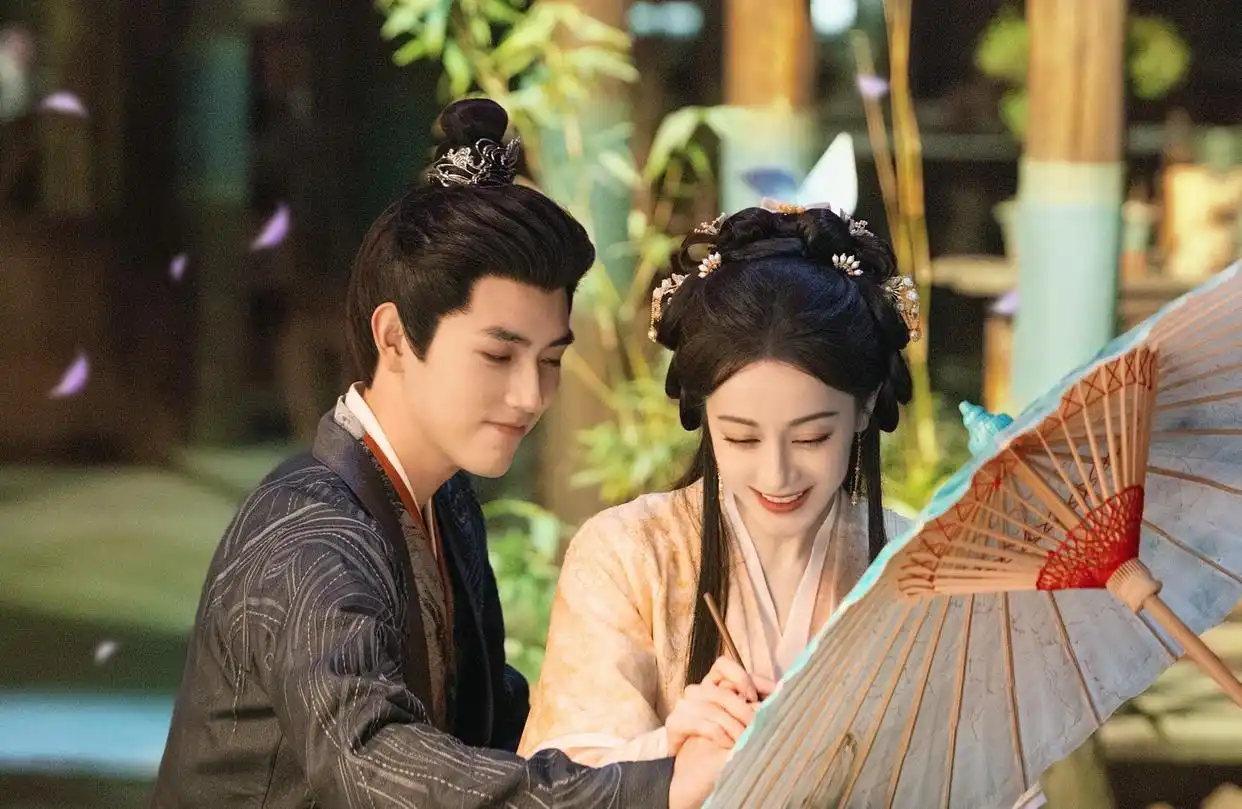
A Ghost King Who Chooses to Appear Powerless
Dilraba portrays He Simu, a ghost king who has ruled the Nether Realm for over four centuries. Despite possessing overwhelming power, the character is born without the five human senses. To experience the mortal world, she deliberately disguises herself as a frail, timid young woman — fearful of blood, physically weak, and seemingly incapable of self-defense — and quietly blends into a military camp.
This “intentional weakness” is not a limitation imposed by circumstance, but a conscious choice. The contrast between her true identity and her fragile façade creates a strong sense of irony and humor, while also allowing the character to observe human life from a detached perspective. This inversion of the typical “strong female lead” formula has been one of the drama’s most discussed elements among viewers familiar with the original novel.

A Male Lead Defined by Suspicion, Not Naivety
Chen Feiyu’s character, Duan Xu, is far from a passive counterpart. As a young general with significant battlefield experience, he quickly senses that He Simu is not as harmless as she appears. However, instead of exposing her, he chooses to keep her close, observing and testing her reactions.
Their relationship develops through mutual concealment rather than misunderstanding. Duan Xu pretends ignorance while quietly probing for inconsistencies, while He Simu continues her carefully constructed performance. This dynamic turns their interactions into a psychological game, replacing the usual “love at first sight” or prolonged miscommunication often seen in similar dramas.
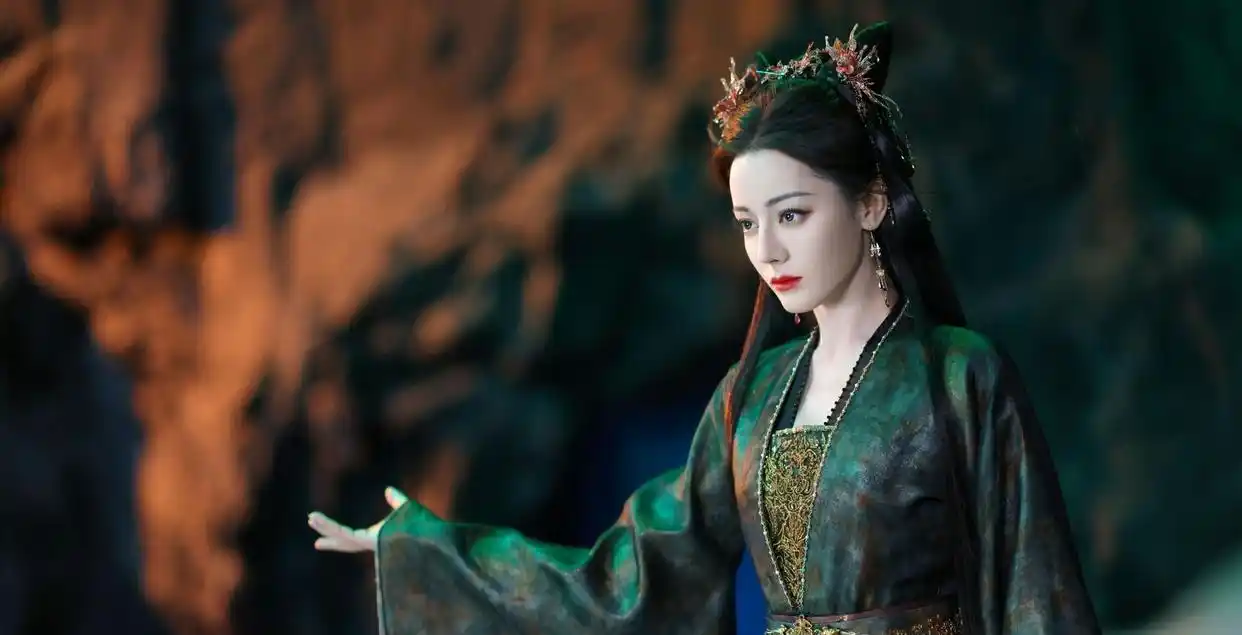
The “Shared Senses” Concept as Narrative Core
The drama’s defining fantasy mechanism is the exchange of the five senses. He Simu temporarily borrows Duan Xu’s sensory abilities — sight, sound, touch, taste, and smell — each exchange lasting a limited period. In return, Duan Xu bears physical and mental consequences, effectively becoming the medium that sustains her connection to the human world.
This setup serves both narrative and emotional functions. For He Simu, sensory access allows her to experience warmth, flavor, and pain for the first time. For Duan Xu, the bond gradually blurs the line between sacrifice and affection. Their connection is built not through verbal declarations, but through shared physical experience, grounding the fantasy in tangible emotion.
Visual Style and Production Direction
From the released information, White Day Lantern adopts a restrained visual approach. Instead of excessive visual effects, the production emphasizes atmosphere, shadow, and Eastern aesthetic symbolism. The design of the Nether Realm blends dark tones with classical motifs, while He Simu’s costumes highlight the duality between her ghost king identity and her fragile disguise.
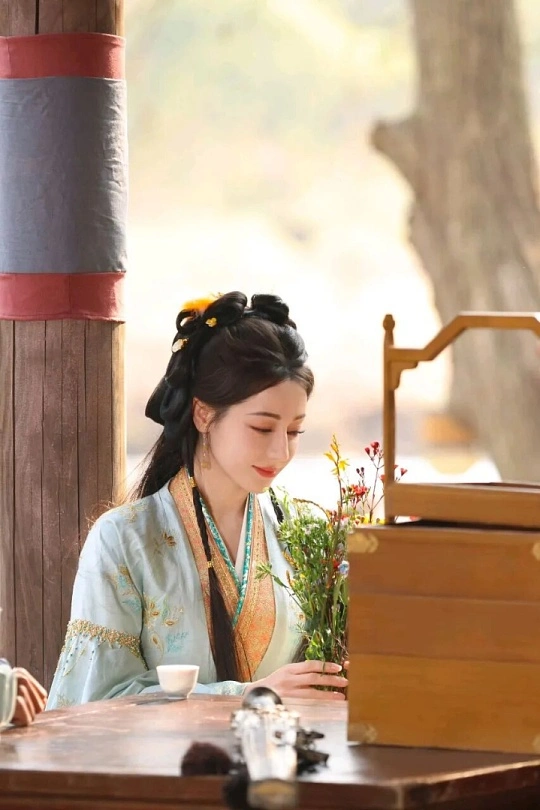
This balance between fantasy spectacle and narrative restraint suggests a production strategy focused on longevity rather than momentary visual impact.
Title Changes and Market Considerations
The series underwent several title adjustments during development before returning to its original name, White Day Lantern. The final choice is widely seen as more memorable and thematically aligned with the story’s core symbolism — a ghost king holding a lantern in daylight to guide wandering spirits.
The decision reflects a broader industry trend toward prioritizing recognizability and narrative relevance over abstract or stylistically fashionable naming conventions.
Expectations and Open Questions
With strong IP foundations, a high-profile cast, and a distinct conceptual framework, White Day Lantern holds clear commercial potential. However, audience reception will ultimately depend on execution — particularly how the drama resolves the fundamental tension between immortality and mortality.
Given the original novel’s emotionally heavy conclusion, viewers remain divided over whether the drama adaptation will retain a tragic ending or opt for a more conciliatory resolution. This uncertainty has only fueled further discussion ahead of its release.
In an increasingly crowded costume drama market, White Day Lantern has already achieved one thing: sustained attention rooted in concept rather than hype alone. Whether it can translate that attention into long-term impact remains to be seen.

