Among the many upcoming Chinese dramas of 2025, 《美顺与长生》- Meishun and Changsheng stands out for reasons that defy common industry formulas. Its early attention is not driven by sensational marketing or star-centered hype, but by the unlikely origin of its source material. The original novel was written by Mao Jianjun, an oxygen-tank porter at Beijing Chaoyang Hospital, whose work earned an impressive 8.1 rating on Douban. That such a story could attract director Li Lu—winner of the “Grand Slam” of China’s major television awards—already signals the strength of its emotional core.
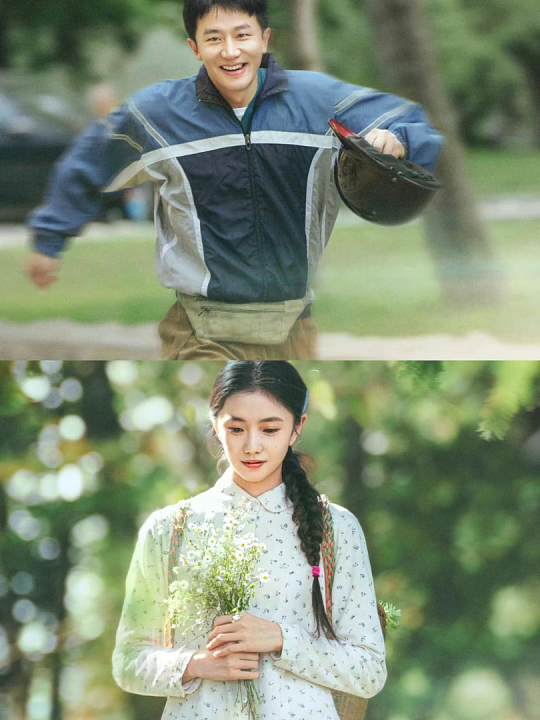
Set against the backdrop of China’s social transformations from the late 1970s to the 1990s, the story follows Zhao Changsheng, whose mental development was arrested after a childhood accident, and Liu Meishun, a young woman married off due to economic necessity. Their marriage begins as a transaction shaped by survival rather than affection, yet the drama refuses to frame this imbalance as mere tragedy or moral spectacle. Instead, it traces how genuine attachment emerges through time, patience, and shared hardship.
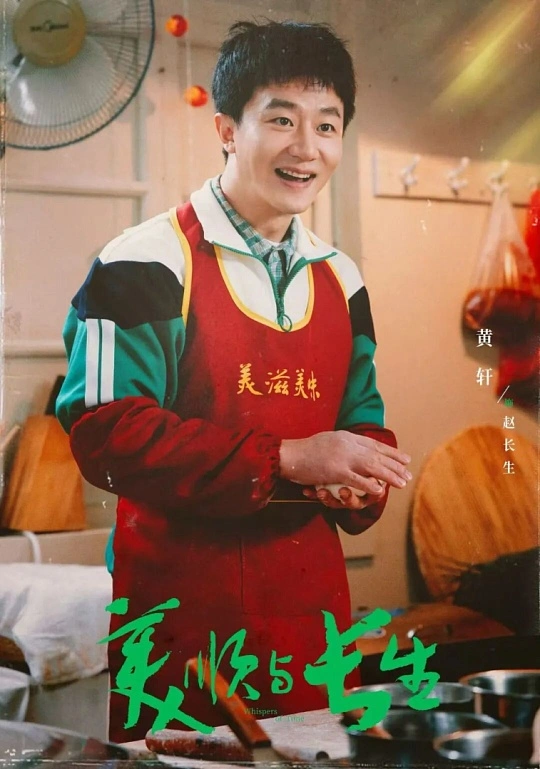
What distinguishes 《美顺与长生》- Meishun and Changsheng is its focus on how two fundamentally kind people learn to endure life together. Changsheng’s love is simple and instinctive, while Meishun’s strength is forged through resistance, doubt, and eventual choice. The narrative does not romanticize sacrifice nor exaggerate suffering; it allows hesitation and vulnerability to coexist with commitment, giving the characters emotional depth.
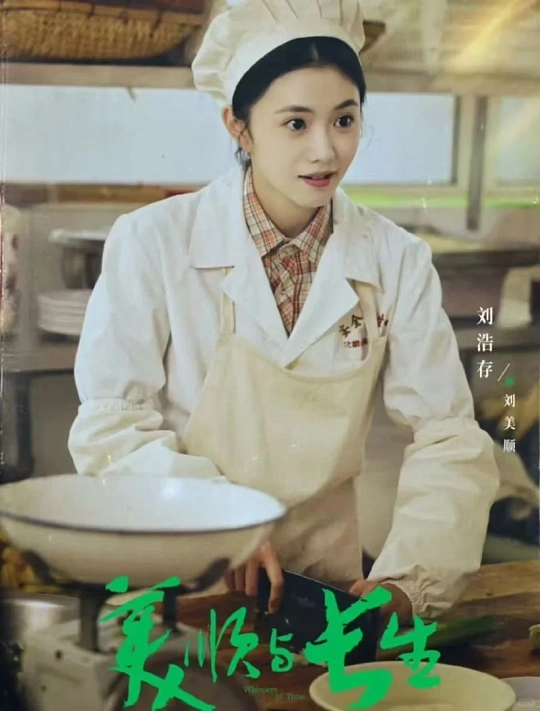
Family relationships in the drama also avoid exaggerated conflict. Tensions between relatives, the collapse of job security during state-owned enterprise reforms, and generational misunderstandings are portrayed as products of circumstance rather than moral failure. There are no clear villains, only ordinary individuals struggling under pressure, which lends the story a sense of lived authenticity.
From a production standpoint, Li Lu and screenwriter Geng Xuhong enrich the narrative with detailed period textures. Everyday scenes—queues at public phone booths, the anxiety of layoffs, small food stalls becoming lifelines—are not decorative but integral to the characters’ journeys. The fact that many of these elements stem from the author’s real-life experiences further grounds the drama in emotional truth.
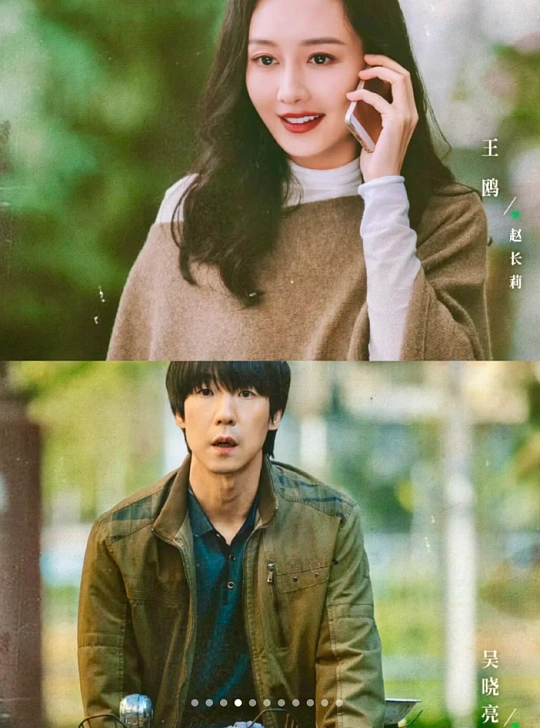
Audience anticipation has also been fueled by the casting. Huang Xuan’s portrayal of Changsheng emphasizes innocence without caricature, while Liu Haocun undertakes a long-range character arc from adolescence to middle age. Their performances prioritize emotional continuity over dramatic spectacle, aligning closely with the drama’s understated tone.
Ultimately, 《美顺与长生》- Meishun and Changsheng resonates before its release because it speaks to a collective memory. It reflects how an earlier generation navigated love, dignity, and survival in an era when life offered few romantic assurances. In doing so, it revives a form of warm realism that feels increasingly rare in contemporary television storytelling.

