In just two days, Yang Zi was mentioned five times by China’s major state-affiliated media outlets—a level of concentrated recognition rarely seen among young actors in the current entertainment landscape. Notably, these reports avoided traffic-driven praise or celebrity hype. Instead, they focused squarely on her work, her performance, and her professional dedication. At the center of this attention is her latest drama, Born to Be Alive.
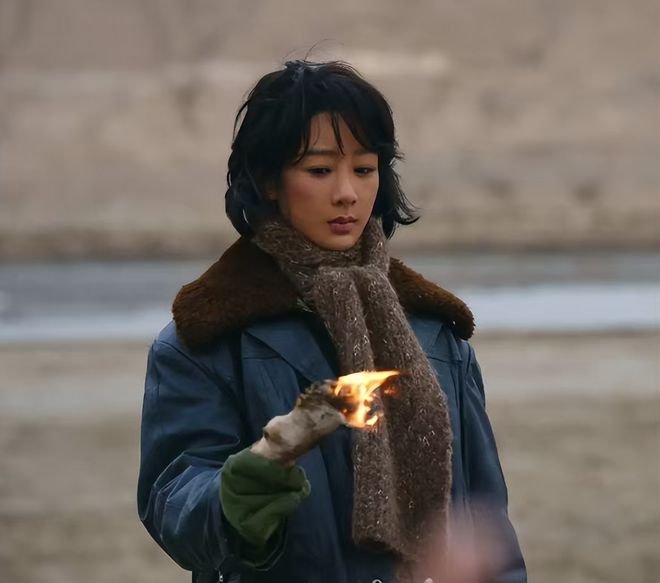
In the series, Yang Zi portrays Bai Ju, a female police officer stationed on the Qinghai–Tibet Plateau, in a story centered on anti-poaching efforts in the Hoh Xil region. The role marks a decisive departure from the romantic and costume dramas that once defined her public image. Bai Ju is restrained, weathered, and resolute—an ordinary frontline officer shaped by harsh geography and moral pressure rather than glamour or sentiment.
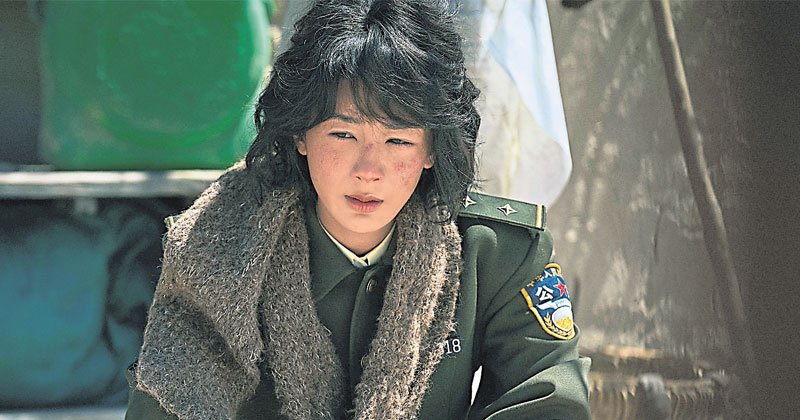
To approach the role with credibility, Yang Zi chose to appear on screen without makeup, losing approximately 15 kilograms during filming. Her complexion reflects prolonged exposure to high-altitude sunlight; her lips are cracked, her hands visibly swollen from the cold. Filmed over 188 days at an average altitude of 4,800 meters, the production placed extreme physical demands on the cast. Despite oxygen saturation levels dropping dangerously low during shoots, Yang Zi declined the use of body doubles and completed all physically demanding scenes herself.
One of the most discussed moments in the series is a silent 25-second scene in which Bai Ju discovers her younger brother’s involvement in illegal poaching. Without dialogue, Yang Zi conveys the internal collapse of a character torn between familial loyalty and professional conviction. Subtle shifts in her gaze and body language articulate a moral fracture that resonates strongly with audiences.

Since its release, Born to Be Alive has recorded strong viewership figures and maintained top rankings in its broadcast slot. More importantly, it has drawn sustained commentary from mainstream media. Coverage highlighted not Yang Zi’s popularity, but her ability to embody grassroots law enforcement officers and to convey the social significance of environmental protection. Several outlets noted her performance as a meaningful step beyond the conventional boundaries often imposed on young actresses.
Yang Zi’s career trajectory has not been without setbacks. After early fame as a child actor, she experienced long periods of uncertainty, including reduced casting opportunities and typecasting. Rather than seeking shortcuts, she continued to build her craft through consistent work. In previous productions, she insisted on using her own voice for dubbing and undertook extensive preparation for roles, from studying traditional ink-making techniques to immersing herself in local environments.
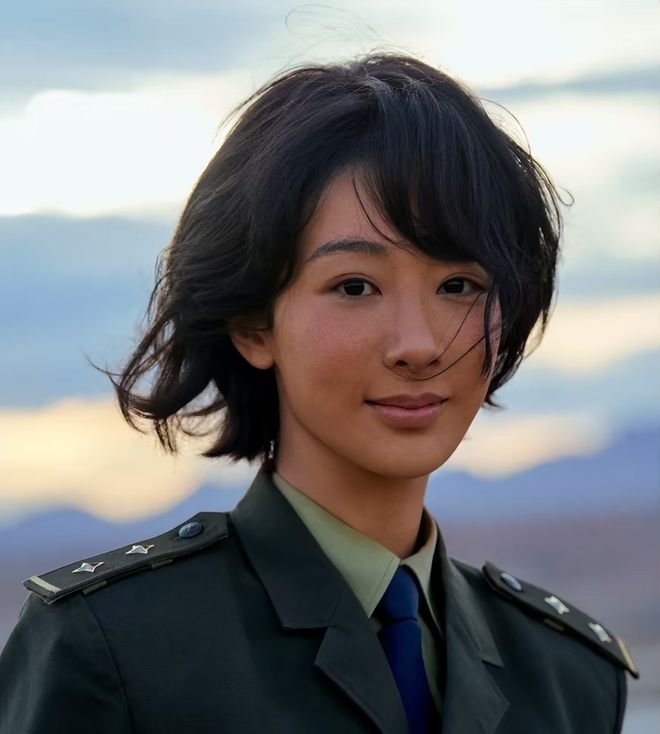
Her recent recognition underscores a broader shift in industry values. Born to Be Alive demonstrates that audience attention and critical acknowledgment can still be earned through commitment to realism, endurance, and narrative substance. In an environment often dominated by surface-level metrics, Yang Zi’s performance stands as a reminder that lasting professional credibility is built through roles that withstand scrutiny—both artistic and social.

