There are artists born into conservatories, polished by institutions, and unveiled by carefully designed publicity machines. And then there are artists like Liu Yuning — whose career feels less like a launch and more like a long, persistent climb against the wind.
Born on January 8, 1990, in Dandong, Liaoning Province, Liu Yuning grew up in China’s cold northeastern frontier, where winter arrives early and lingers. Standing at approximately 189 centimeters tall, he cuts an imposing figure today on red carpets and historical drama sets. But his childhood was not defined by glamour — it was defined by absence.
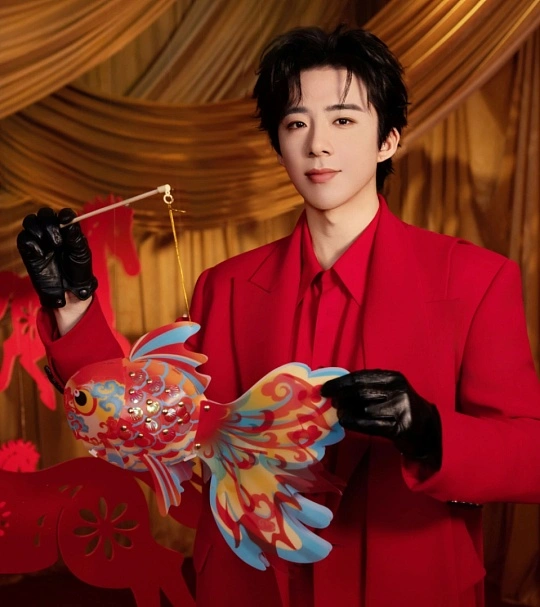
His father passed away when he was four years old. Raised by his grandparents, and later living with his grandfather alone after his grandmother’s passing, Liu Yuning’s early years were shaped by loss and quiet resilience. That emotional undertone — a restrained melancholy — would later echo unmistakably in his singing voice.
He did not attend a prestigious music academy. He did not emerge from an idol survival program. Before the spotlight, he worked as a cook, a waiter, and took on odd jobs to survive. Music was not an inheritance; it was something he held onto.
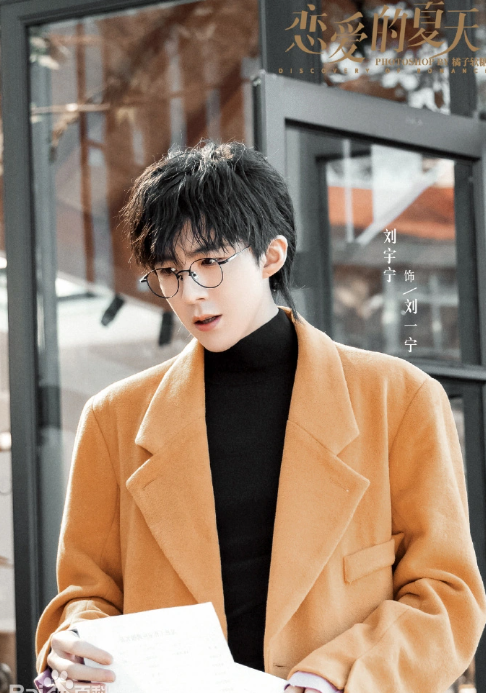
The Streetlights Before the Spotlight
In 2014, Liu Yuning formed the group Modern Brothers (摩登兄弟) with friends. They livestreamed on the YY platform. Eventually, they began singing on the streets of Dandong.
Those nights were formative.
Imagine a tall young man singing under streetlamps, surrounded by curious passersby, phone screens lighting up in the dark. There was no professional lighting rig, no elaborate stage design — only sincerity and endurance. It was here that Liu Yuning developed a rare instinct: how to command attention without demanding it.
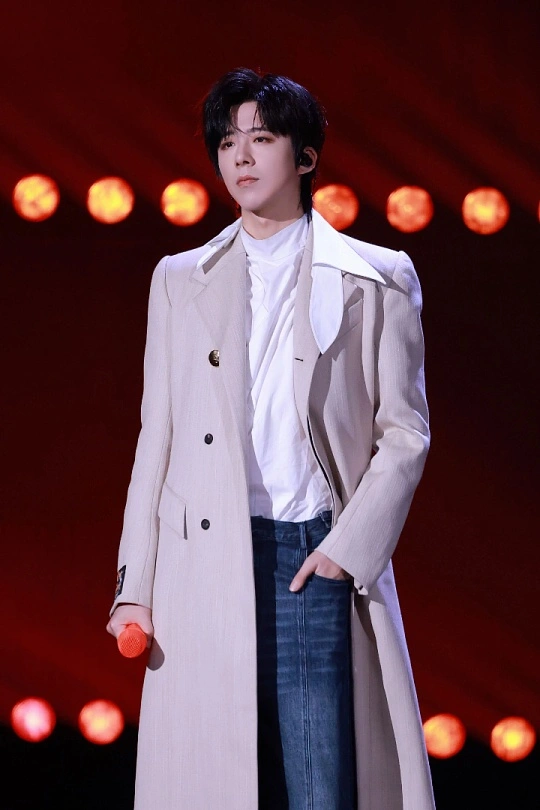
By 2018, the internet had taken notice. His cover versions of songs like “Zou Ma” (走马) and “Jiang Zhen De” (讲真的) spread rapidly across social media. His voice — smoky, textured, slightly husky yet controlled — carried emotional weight beyond technique.
In September 2018, he officially debuted as a solo artist with the single “Xiangxiang” (想象). What had begun on sidewalks was now entering mainstream entertainment.
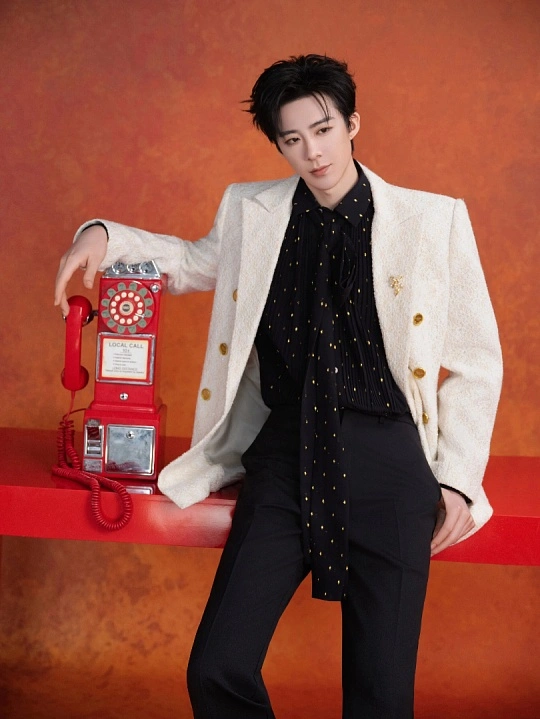
The OST Phenomenon
Liu Yuning’s ascent into national recognition was closely tied to original soundtracks for television dramas. He possesses a voice uniquely suited to storytelling — a voice that can suggest longing, regret, determination, and restrained strength.
Songs like:
-
“Rang Jiu” (让酒)
-
“Tian Wen” (天问)
-
“Ben Keyi” (本可以)
-
“Yi Qi Chen Nian Shao” (意气趁年少)
-
“Gu Yi Chang An” (孤弈长安)
-
“Guo Qiao Ren” (过桥人)
became emotionally inseparable from the dramas they accompanied.
He did not merely perform theme songs. He inhabited them.
By the early 2020s, Liu Yuning had become one of the most sought-after OST singers in Chinese television.
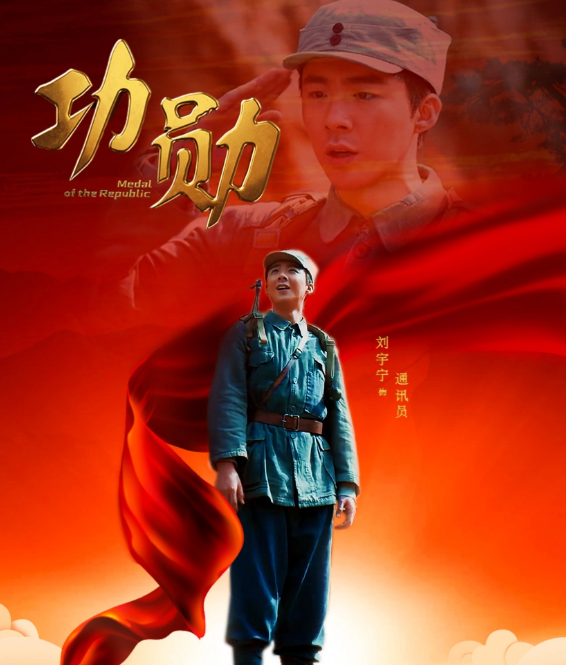
Crossing Into Acting
Transitioning from singer to actor is often risky. Yet Liu Yuning approached acting not as a vanity extension, but as another narrative medium.
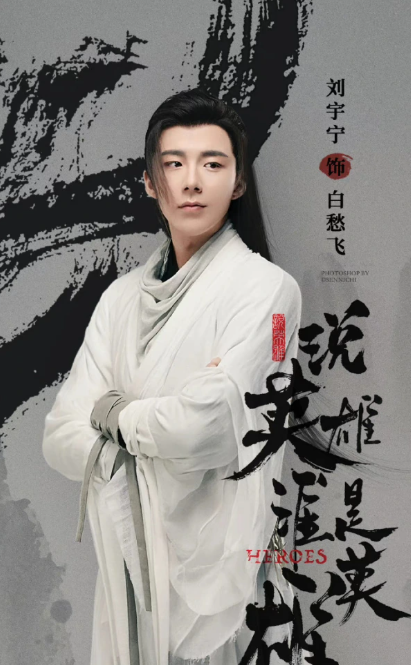
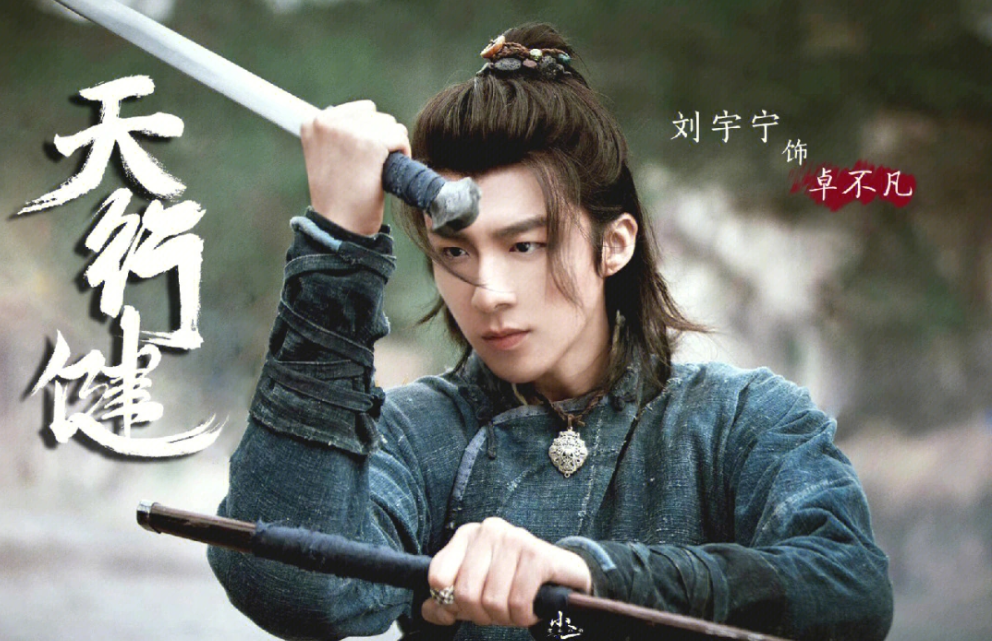
His breakthrough television role came with “The Long Ballad” (长歌行), where he portrayed Hao Du — a character whose restrained loyalty and internal conflict resonated deeply with audiences. His tall frame and solemn gaze made him especially compelling in historical dramas.
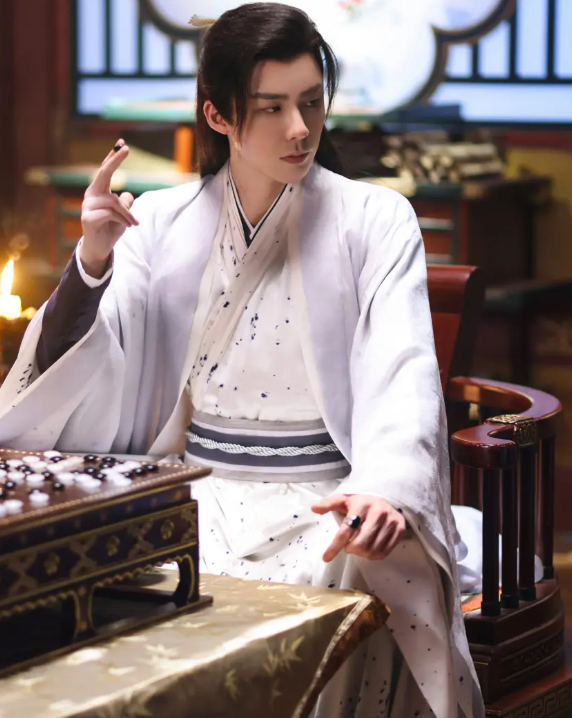
Subsequent roles expanded his range:
-
Bai Choufei in “Heroes” (说英雄谁是英雄)
-
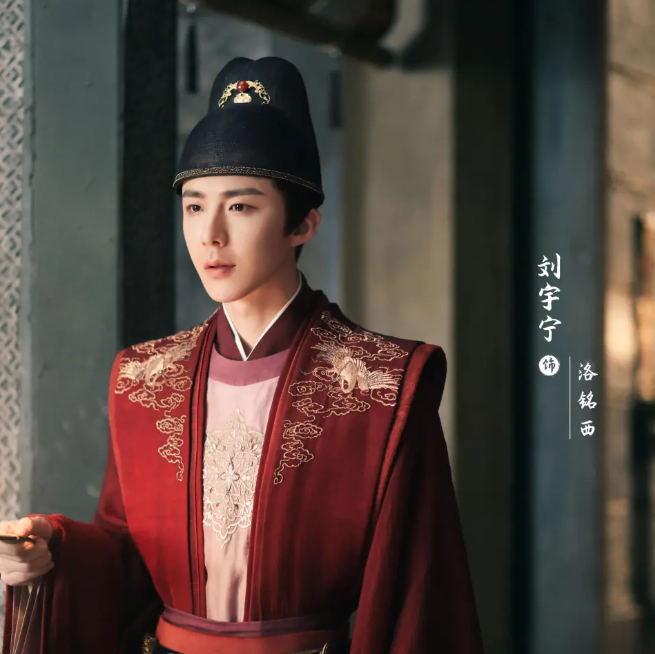
Luo Mingxi in “The Legend of Anle” (安乐传)
-
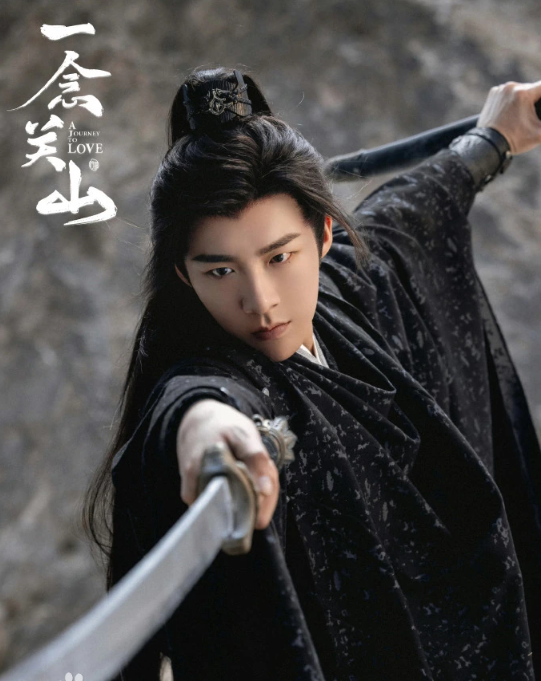
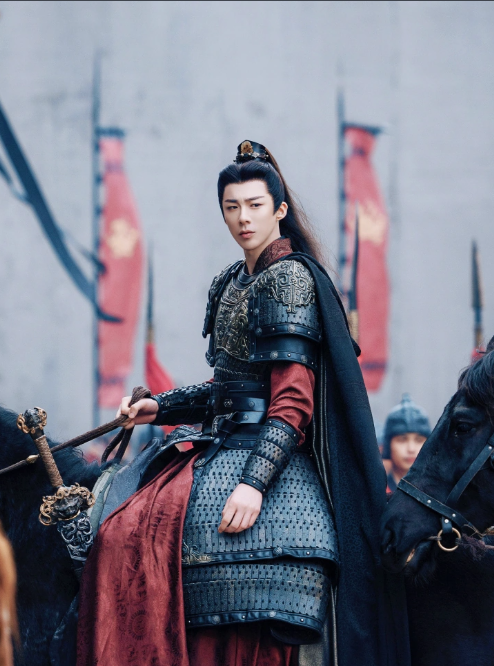
Ning Yuanzhou in “A Journey to Love” (一念关山)
-
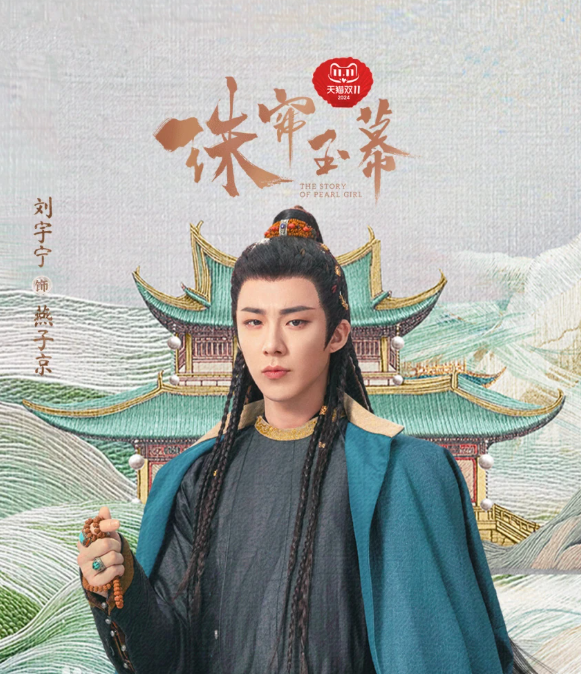
Yan Zijin in “The Story of Pearl Girl” (珠帘玉幕)
-
Lead roles in “Zhe Yao” (折腰), “Zichuan: The King of Light” (紫川之光明王), and “Shu Juan Yi Meng” (书卷一梦)
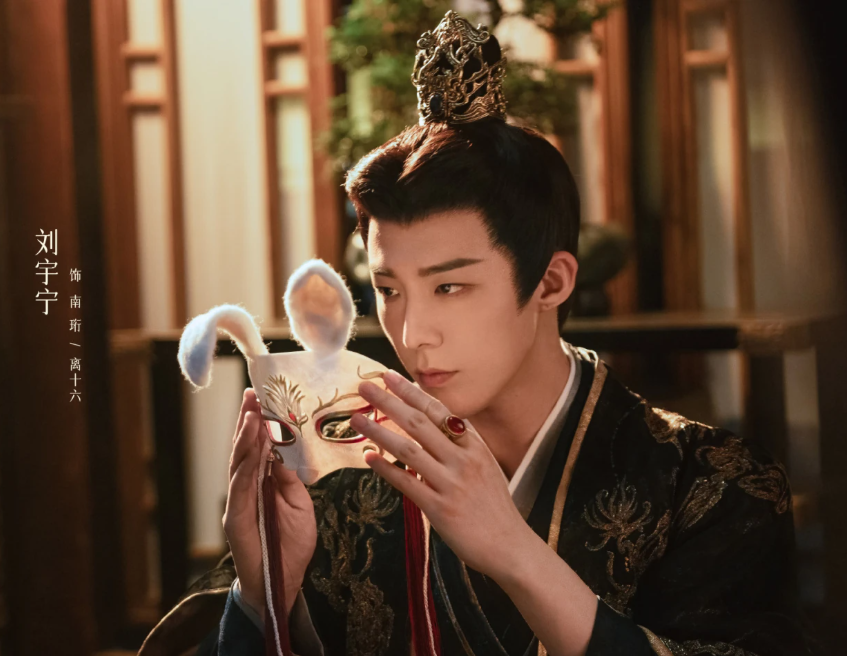
His acting is marked not by flamboyance but by internal gravity. Perhaps the years of personal hardship gave him access to emotional restraint — something particularly valuable in costume dramas.
Albums and Artistic Growth
His first album, “Ten” (十), released in 2019, signified more than a number. It marked consolidation — a transition from viral cover artist to recording musician with an identity.
Later EPs such as “Listen·Ning” revealed a willingness to experiment while maintaining emotional consistency.
By 2025, with the announcement of his new album titled “Liu Yuning’s” (刘宇宁的), the possessive tone felt intentional. It suggested ownership — over craft, over narrative, over artistic direction.
Recognition and Awards
Over the years, Liu Yuning accumulated accolades across both music and acting:
-
Oriental Billboard Awards
-
Tencent Music Entertainment Awards
-
Weibo Music Awards
-
Forbes China Under 30 (2019)
-
iQIYI Scream Night acting honors
-
Macau International Television Festival nominations
But beyond trophies, what stands out is continuity. His presence in New Year galas, Spring Festival Galas, and major televised events from 2019 through 2026 signals institutional recognition — a rare achievement for someone who began as a livestream street performer.
The Personal Disclosure
In March 2023, during a Weibo livestream, Liu Yuning publicly acknowledged a previous marriage in 2012 that had ended in divorce, clarifying that there were no children involved. He apologized for not disclosing it earlier and requested privacy for those affected.
In an industry that often prizes concealment, his decision to confront the matter directly felt consistent with the blunt honesty that marked his early street-singing days.
The Era of Expansion: 2025–2026
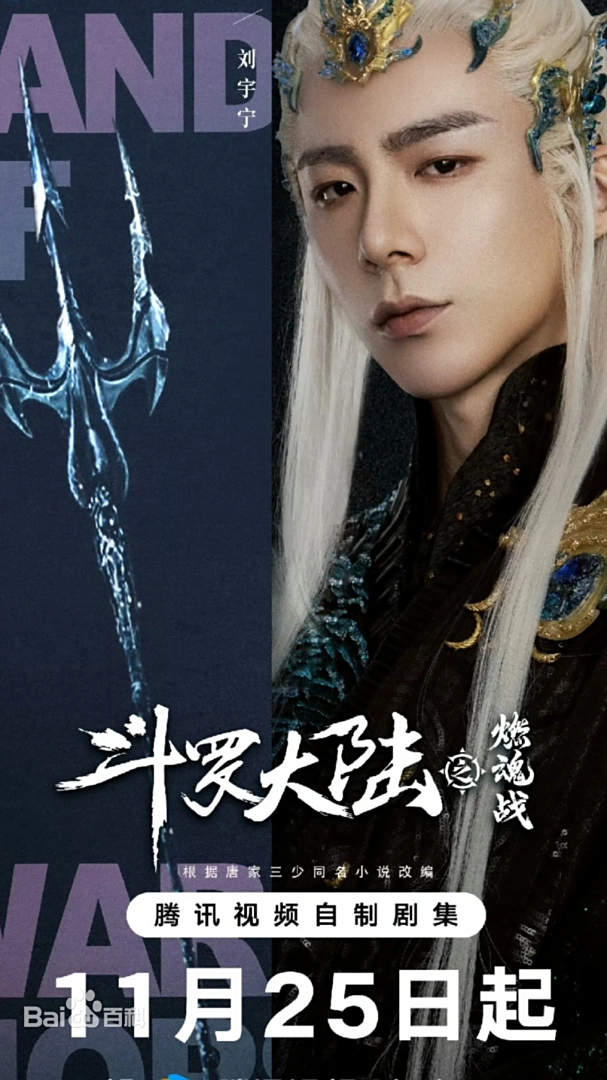
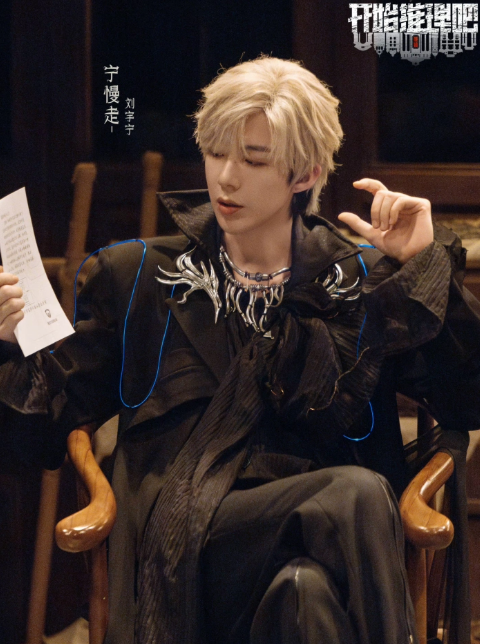
By 2025, Liu Yuning was no longer simply “the former livestream singer.” He had become a multifaceted artist — leading dramas, performing at national galas, releasing soundtracks, holding tours such as “Liu Yuning’s 2025 Tour,” and earning major awards including Most Popular Singer at the Weibo Music Awards and Best Actor recognition at iQIYI’s Scream Night.
From Dandong’s cold sidewalks to sold-out arenas — the arc is neither accidental nor mythical. It is cumulative.
Conclusion
Liu Yuning’s story is not about overnight success. It is about sustained ascent.
His voice carries winter air, memory, restraint, and perseverance. His career charts the evolving landscape of Chinese entertainment — where digital beginnings can evolve into mainstream legitimacy.
He is not a product of a single breakthrough. He is the result of endurance.
And perhaps that is why his songs linger.

