In an industry that thrives on instant buzz and rapid turnover, careers are often measured in viral moments. A single breakout role can propel an actor into sudden fame, just as a brief period of silence can push them to the margins. Against that restless rhythm, Zhang Yaqin’s trajectory feels almost countercultural. She did not explode onto the scene with a sensational headline. She did not rely on scandal or spectacle to sustain relevance. Instead, her presence has been built slowly—through one role after another, across genres, across years—until her name began to carry a quiet but unmistakable weight. Born on April 28, 1996, in Ezhou, Hubei Province, she came from an ordinary background, trained rigorously in dance, entered the Shanghai Theatre Academy in 2016, and then stepped, gradually yet steadily, into the center of the screen. Hers is not a story of sudden eruption, but of endurance—an upward curve drawn patiently over time.
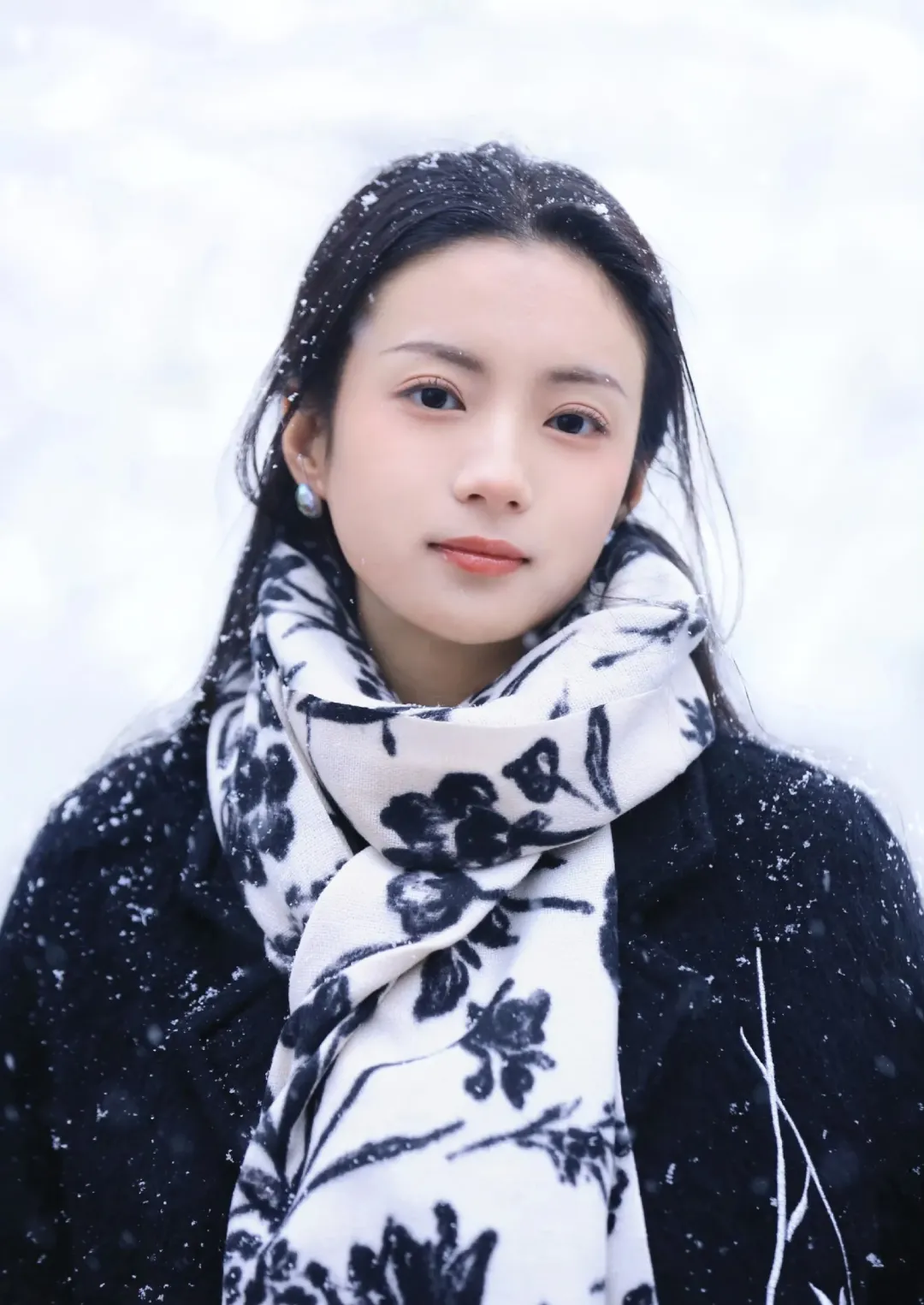
I. An Artistic Foundation: Dance Training and an Innate Affinity for Period Drama
Long before cameras and scripts entered her life, Zhang Yaqin’s world revolved around movement. She trained in dance from an early age and later studied at the Beijing Music and Dance School, where she received systematic instruction in Chinese classical dance, folk dance, and ballet. For many performers, dance is an extracurricular accomplishment; for her, it became the invisible architecture of her screen presence. Years of repetition shaped her posture, refined her gestures, and cultivated a sensitivity to rhythm and spatial awareness. A dancer learns to communicate emotion through stillness as much as through motion, to sustain tension in a pause, to let silence breathe. Those qualities would later define her acting style.
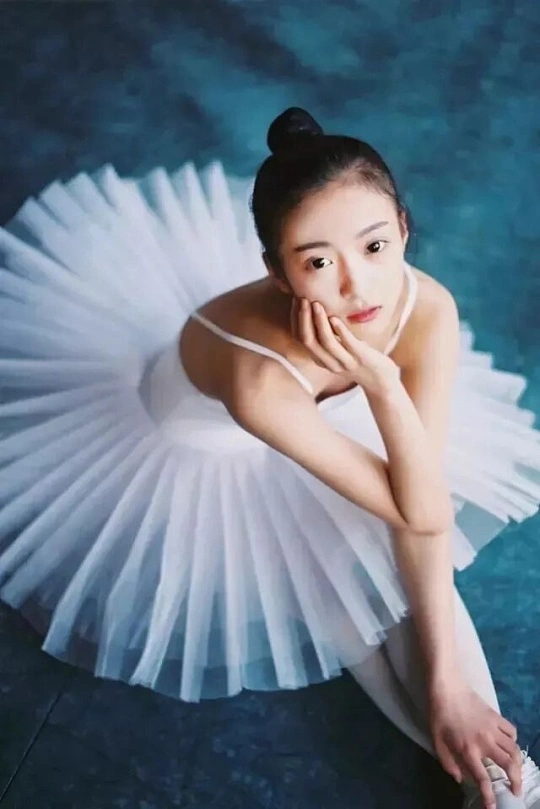
When she transitioned into costume dramas, this foundation revealed its value. Period productions demand more than memorized lines—they require controlled physicality. Flowing sleeves, layered robes, elaborate hairpieces: every movement is magnified. In projects such as Legend of Fuyao (扶摇), Love in Between (少年游之一寸相思), and An Ancient Love Song (古相思曲), Zhang never appeared burdened by costume or overwhelmed by staging. Her bearing felt natural, almost instinctive. What audiences perceived as “classical temperament” was in fact the product of discipline accumulated over years.
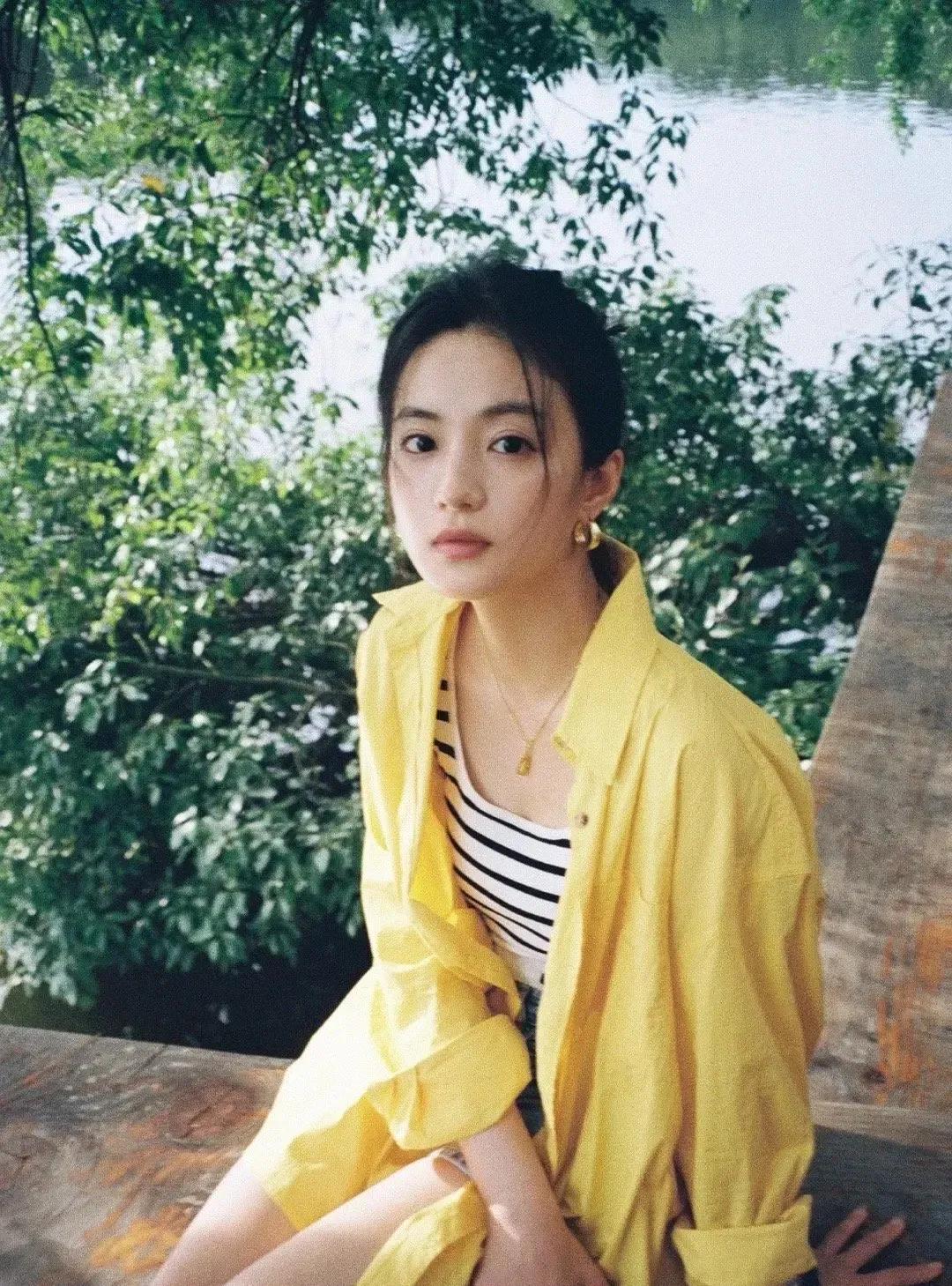
In 2016, she entered the Shanghai Theatre Academy as an undergraduate acting major. There, technical training in performance theory complemented her physical expressiveness. Dance had given her control of the body; formal acting education provided tools for character construction, psychological layering, and textual analysis. The fusion of these two systems—movement and method—would shape the distinctive balance in her later performances: visually composed, emotionally coherent, rarely exaggerated.
II. Entering the Industry: 2016–2018, From Newcomer to Recognition
Her professional debut came in 2016 with the television adaptation of Miss Granny (重返二十岁). As Xiang Xinran, she was still visibly young, yet already marked by a steadiness unusual for a first-time performer. In ensemble storytelling, screen time is limited; what distinguishes a newcomer is not volume but clarity. Zhang did not attempt to dominate scenes. Instead, she approached the character with restraint, grounding the role in sincerity. That choice set the tone for her early career: subtle rather than showy, patient rather than impatient.

The same year, she appeared in the fantasy feature film Once Upon a Time (三生三世十里桃花), portraying the minor celestial character Nai Nai. Though her role was brief, the scale of production exposed her to the industrial mechanics of blockbuster filmmaking. She learned pacing, camera awareness, and the precision required in high-budget sets.
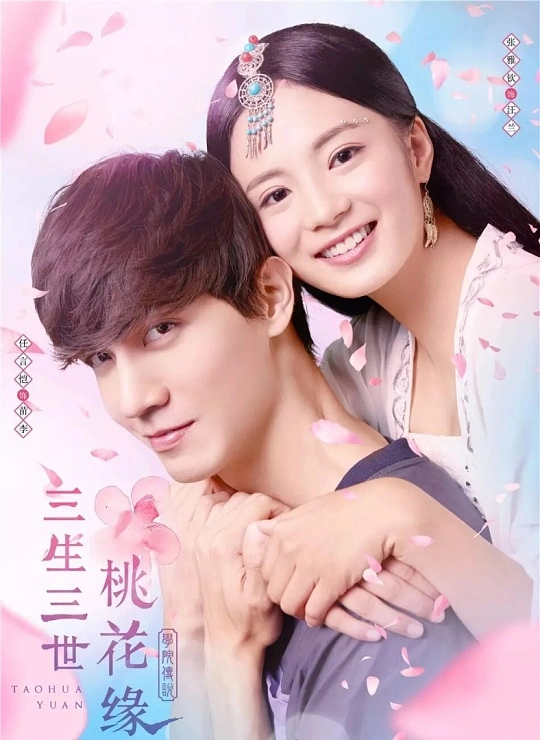
In 2017, she took on her first leading role in the web drama The Legend of Three Lives of Love (学院传说之三生三世桃花缘). As Wang Lan, she carried a narrative built on youthful romance and fantasy elements. What distinguished her portrayal was not mere sweetness but texture—she infused innocence with resolve, lightness with emotional grounding. The role marked the first time audiences began to associate her name with a complete narrative arc rather than a supporting presence.

Then came 2018 and the broadcast of Legend of Fuyao. In this large-scale fantasy epic, she played Ya Lanzhu, a princess driven by devotion and growth. Although not the central heroine, the character possessed a fully developed emotional journey. Zhang charted that journey carefully: the brightness of youth gradually shaded by maturity and introspection. Many viewers recall this role as the moment her compatibility with historical costume drama became undeniable. She did not merely look the part; she inhabited it.
III. Expanding Beyond Comfort Zones: 2019–2020
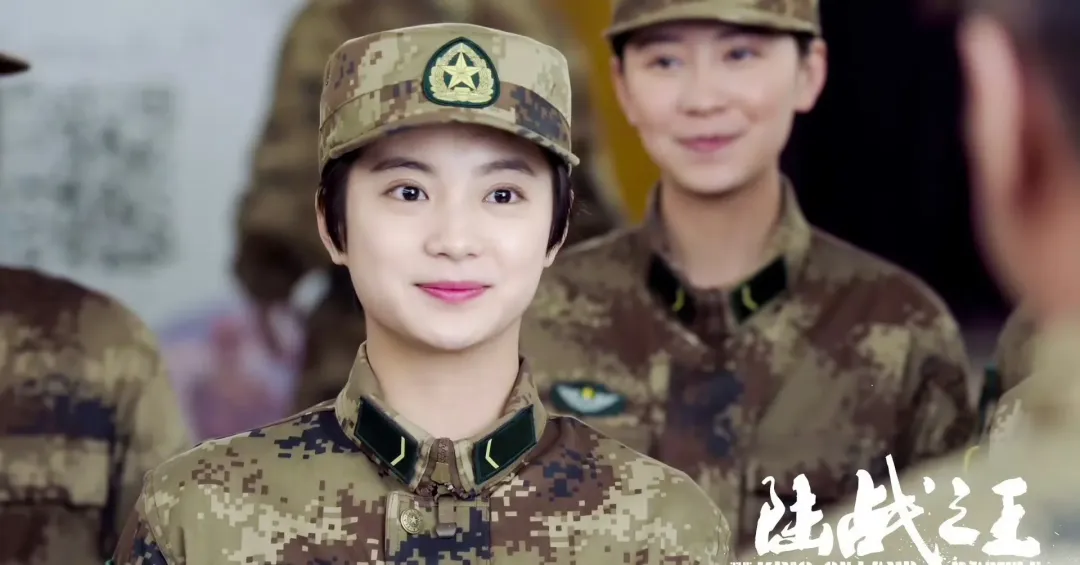
By 2019, Zhang Yaqin faced a crucial decision familiar to many young actors: remain within a successful niche or risk disruption by exploring new genres. With the military drama King of Land Battle (陆战之王), she chose the latter. As Huang Xiaomeng, she stepped away from ethereal femininity into a grounded, energetic persona. The role demanded brisk dialogue delivery, athletic presence, and a reduction of ornamental gestures. She recalibrated her physical language accordingly, proving that her earlier elegance was not limitation but versatility.
The year 2020 marked an especially prolific period. In the romantic fantasy comedy The Chief’s Man (酋长的男人), she portrayed the tribal leader Xing Yue, blending authority with humor. Comedy requires timing; fantasy requires conviction. She balanced both without descending into caricature.
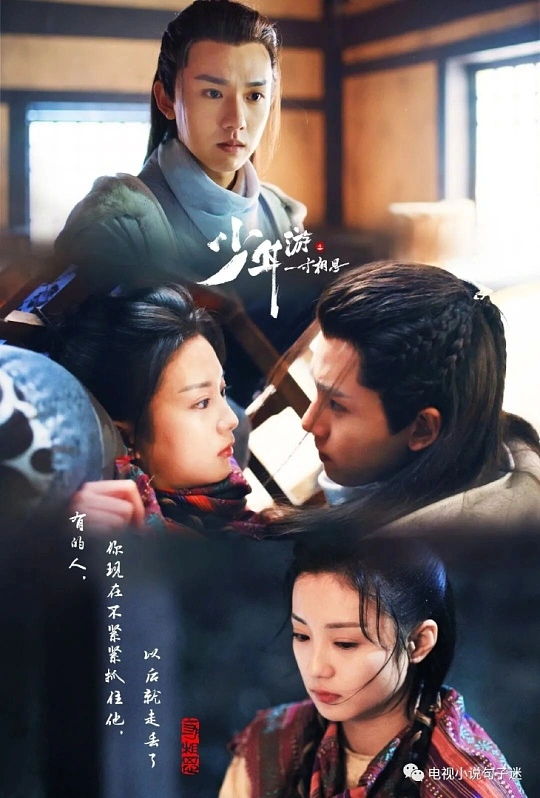
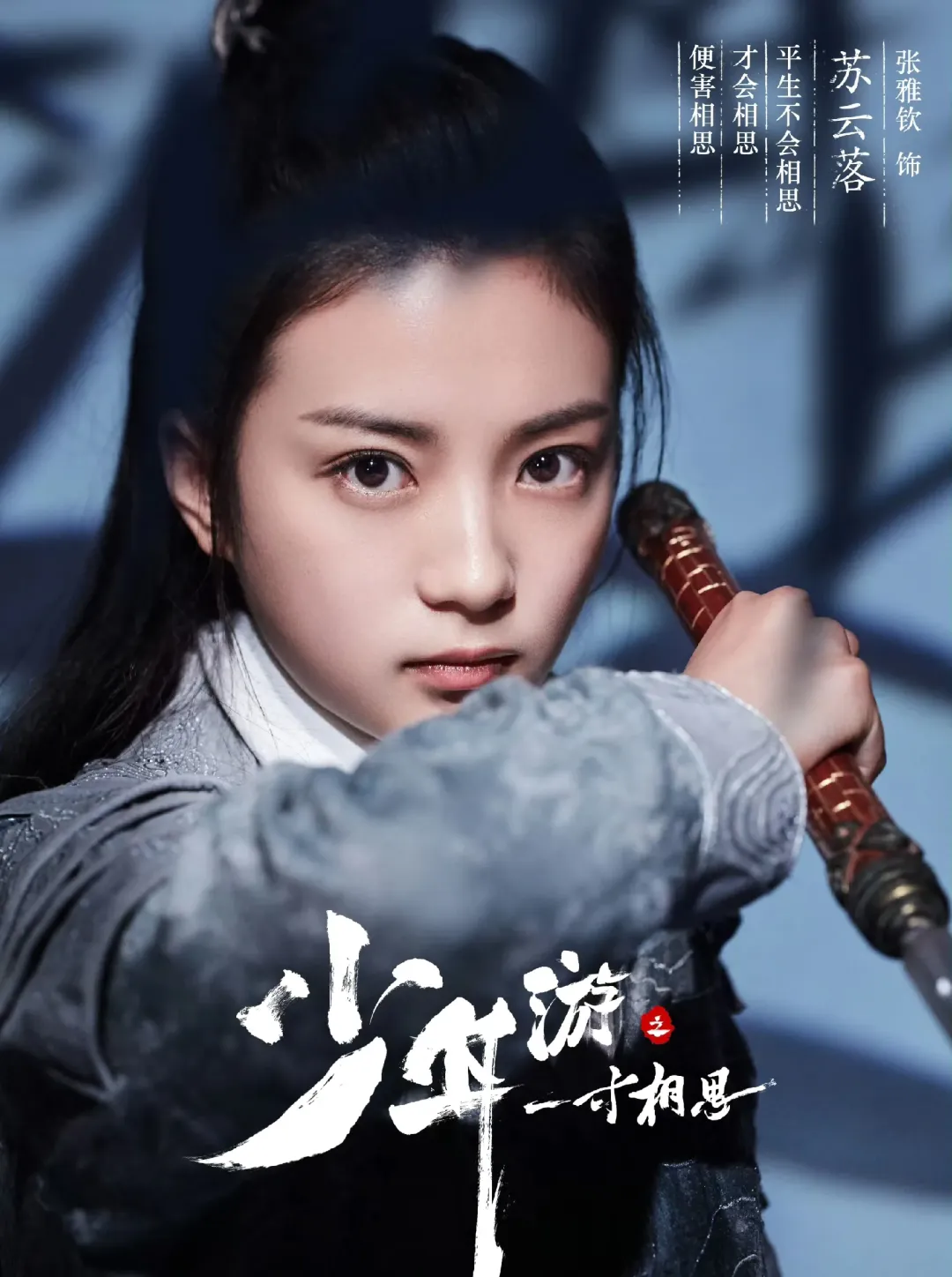
Soon after, Love in Between (少年游之一寸相思) aired and became a turning point in her artistic maturation. The wuxia narrative involved hidden identities, restrained longing, and moral conflict. Zhang’s performance leaned into subtlety—lowered gaze, measured pauses, minimalistic expression. Rather than externalizing sorrow, she allowed it to accumulate internally. Critics and viewers alike noted a shift: she was no longer simply natural; she was precise.
In the modern romance Be With You (好想和你在一起), she demonstrated contemporary relatability, shedding period stylization for urban warmth. By the end of 2020, with additional projects underway, Zhang had solidified herself as more than a promising newcomer. She had become a dependable presence across formats.
IV. Deepening Craft: 2021–2023 and the Emotional Turn
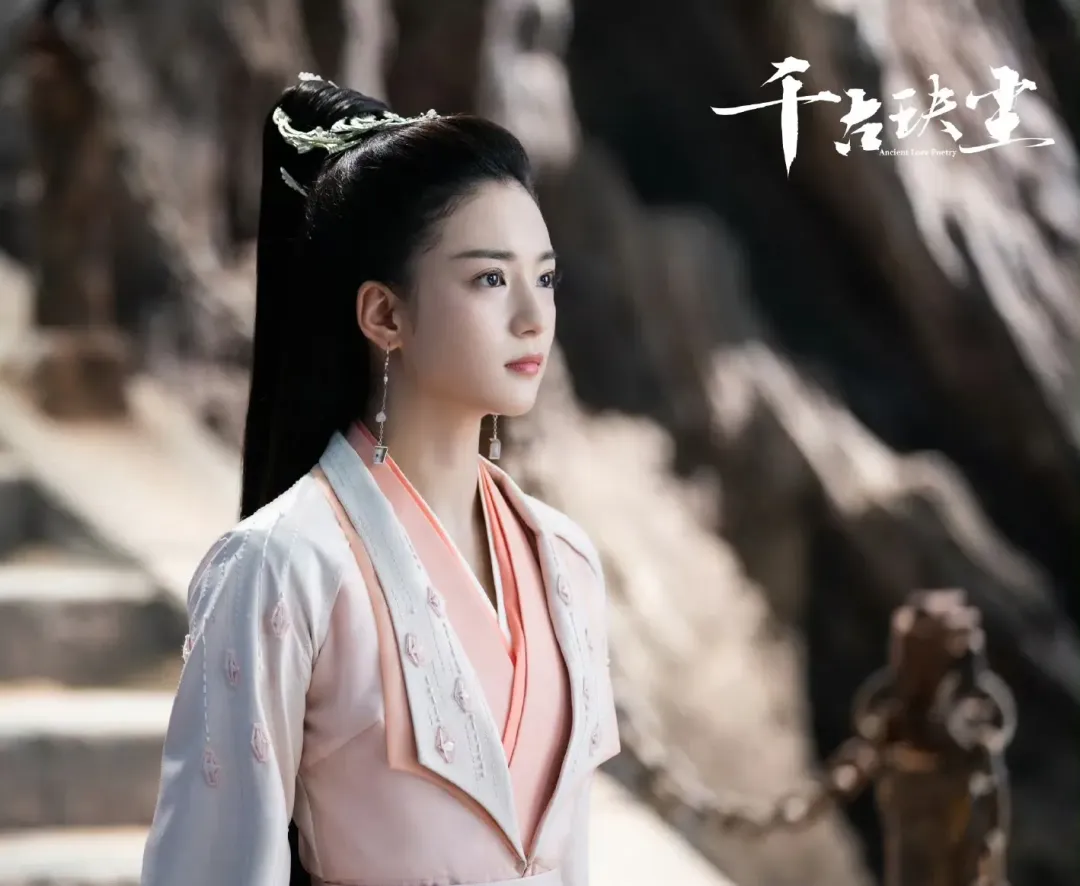
In 2021, Ancient Love Poetry (千古玦尘) expanded her exposure. Playing Feng Ran within an epic mythological framework required maintaining clarity amid dense world-building. Ensemble storytelling can blur individual arcs; she preserved distinctiveness through controlled emotional beats.
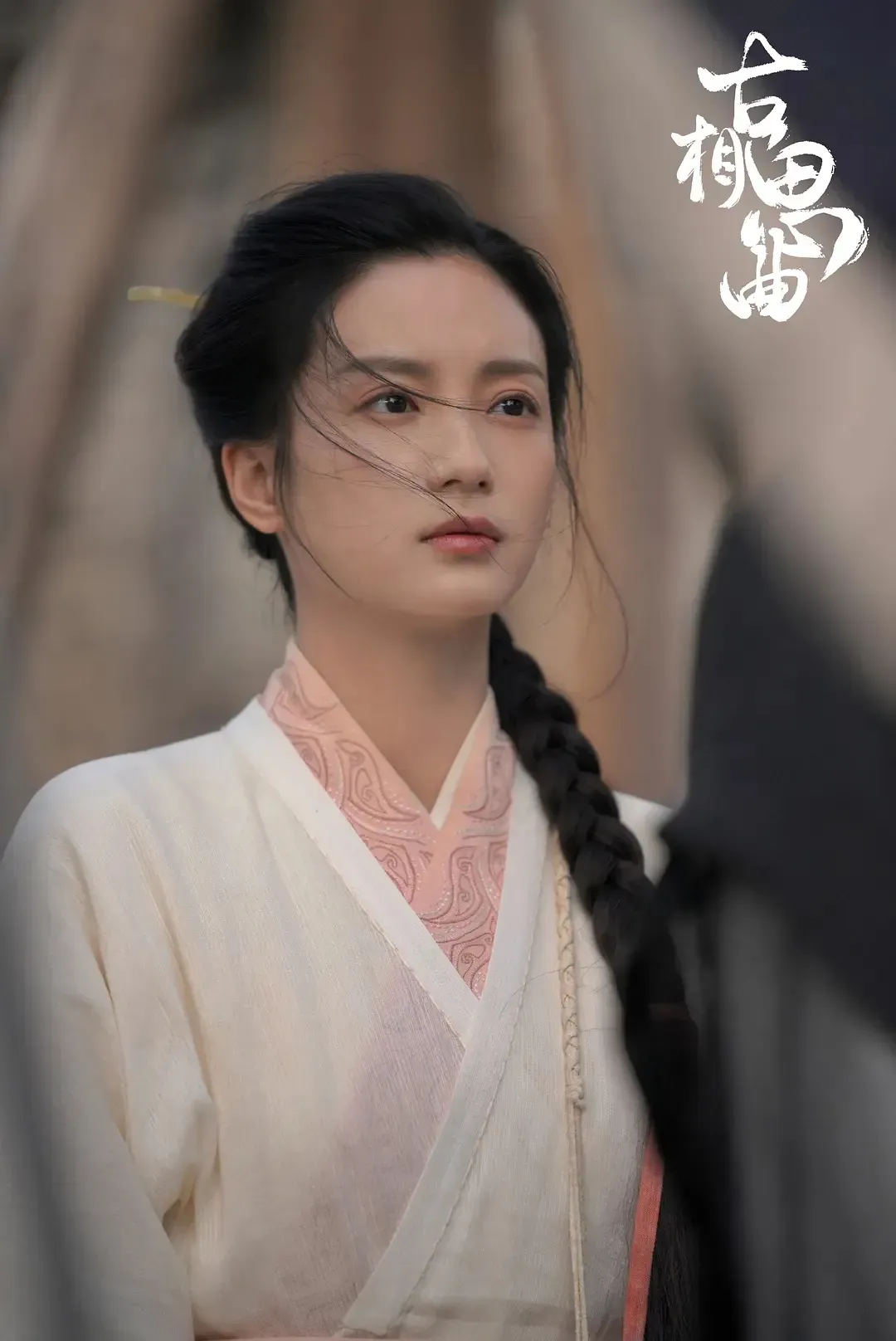
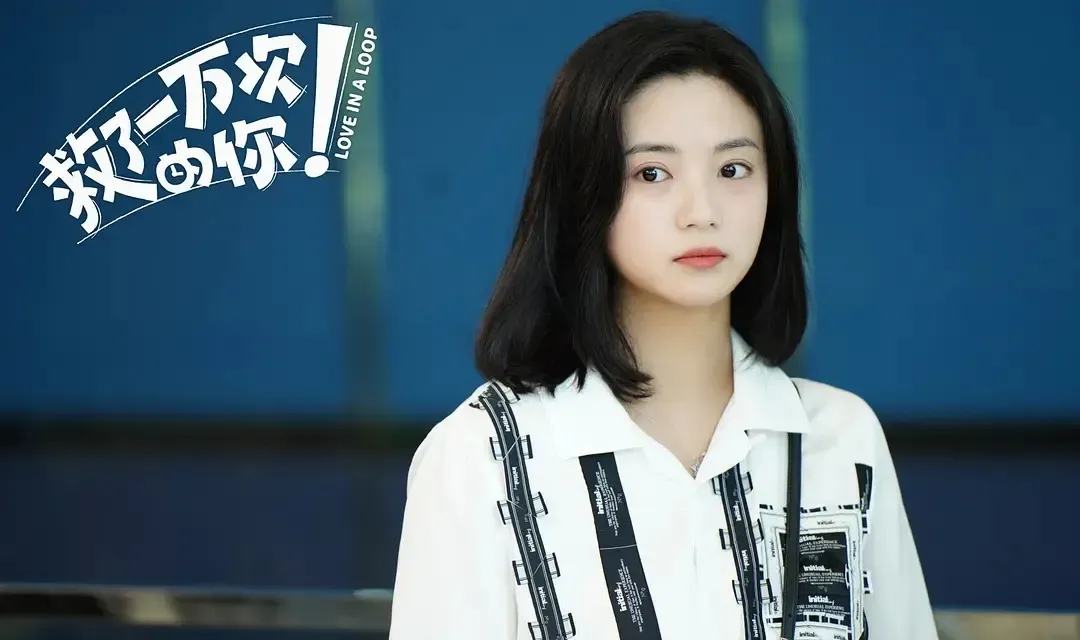
Subsequent projects such as Mystery of Antiques III (古董局中局之掠宝清单) and the time-loop romance Love You One More Time (救了一万次的你) continued to diversify her screen persona. Yet it was 2023’s An Ancient Love Song (古相思曲) that marked a profound evolution.

As Lu Yuan, a character bound by fate and sacrifice, Zhang embraced stillness as expressive power. She resisted melodramatic crescendos, instead allowing grief to register through breath and gaze. The result was haunting rather than explosive. For many viewers, this was the role that redefined her—proof that she could anchor emotionally weighty narratives.
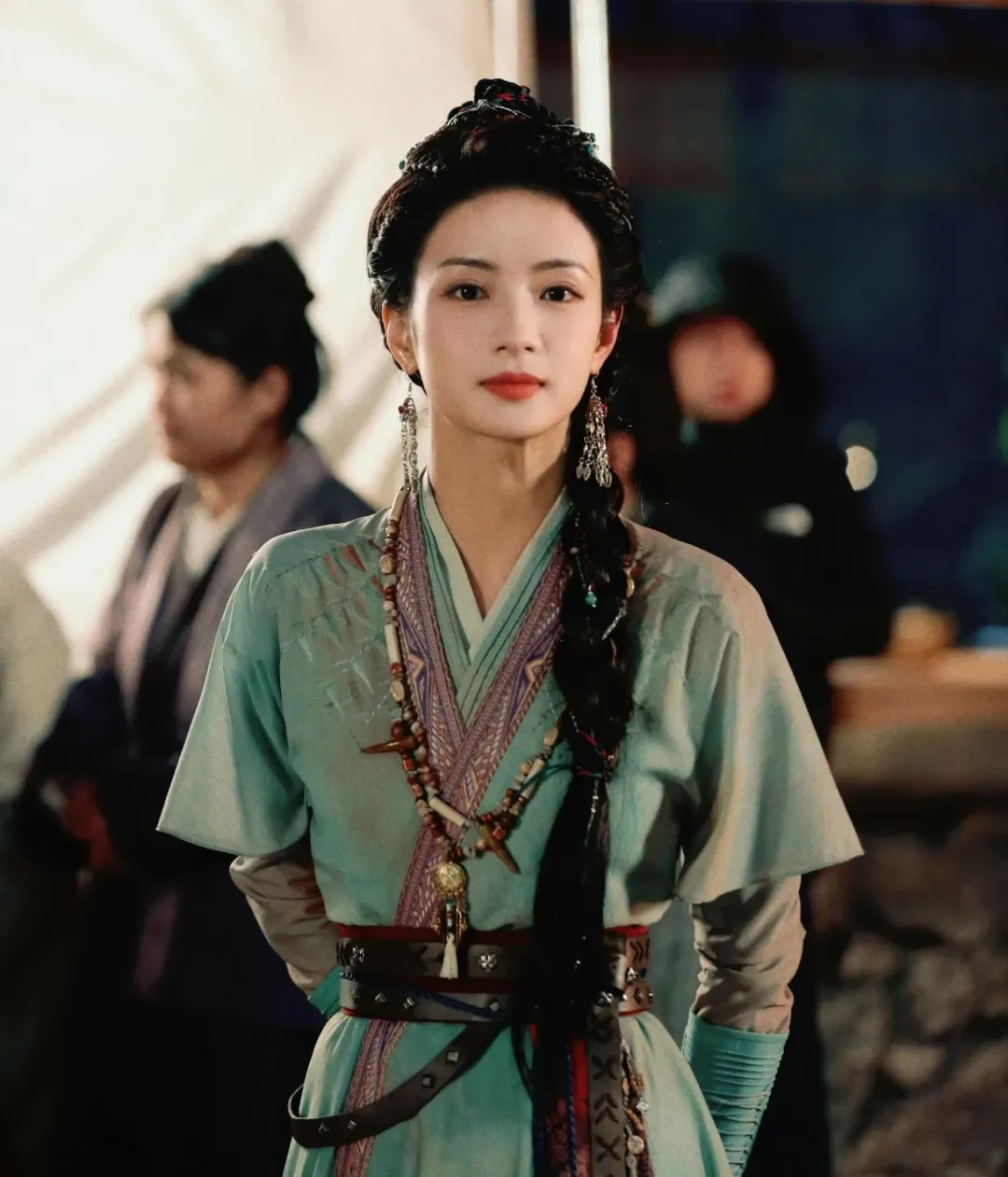
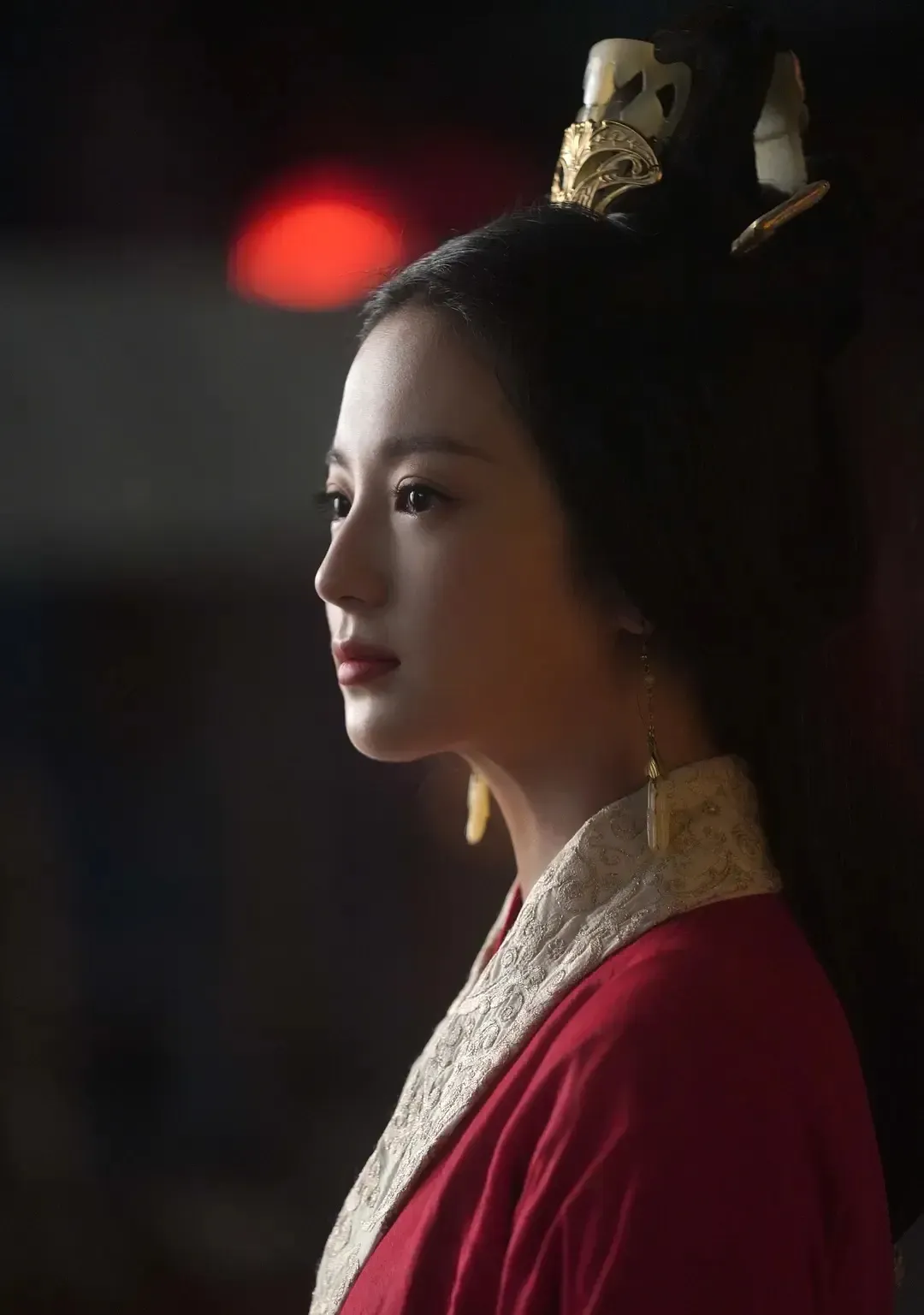
That same year, Ten Years (与你十年,予我半生) reaffirmed her ability to navigate modern emotional landscapes. By now, her performances carried a confidence born not of bravado but of accumulated understanding.


V. Stability and Recognition: 2024–2025
As the costume genre regained momentum, Zhang’s earlier groundwork positioned her advantageously. Appearances at events such as the 2024 Bilibili Xianxia Night underscored her association with the revival of fantasy storytelling. Series including Flowing Water (流水迢迢) and The Fragrance Code (闻香记) further reinforced her genre alignment.

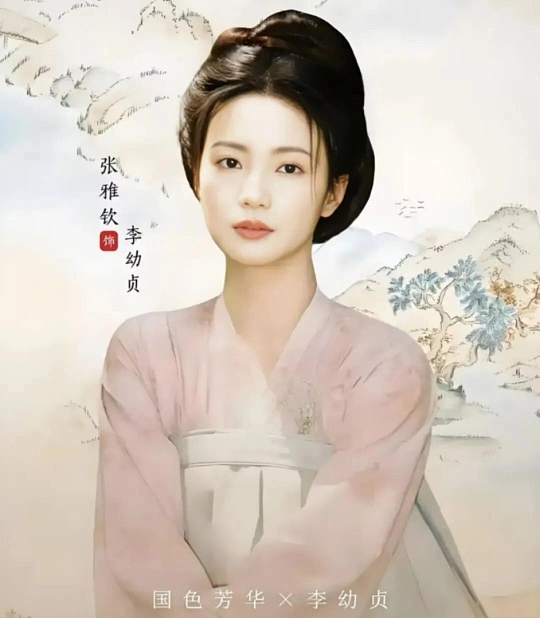
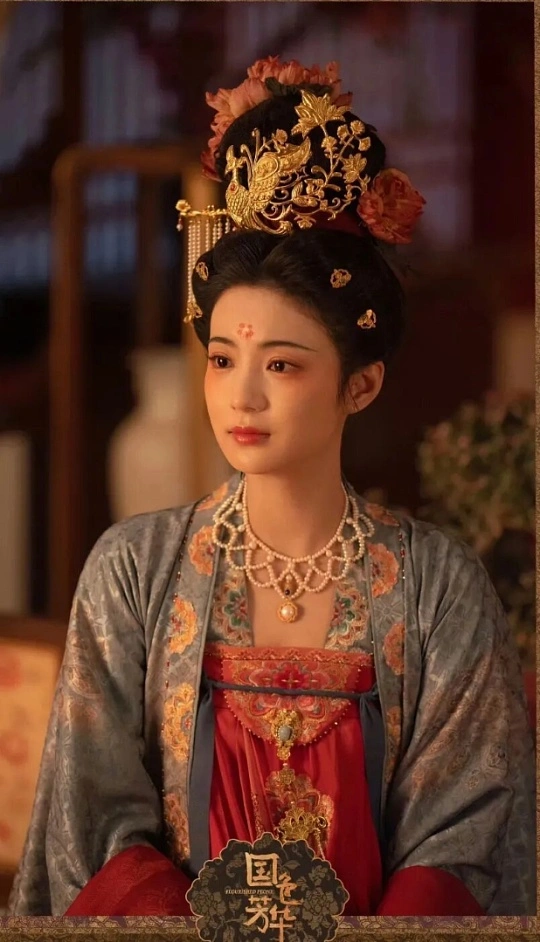
In early 2025, A Thousand Peach Blossoms Bloom (千朵桃花一世开) presented her with the challenge of dual roles. Distinguishing characters through vocal modulation and internal rhythm rather than superficial styling, she demonstrated technical control. Subsequent projects like Flourished Peony (国色芳华) and Splendid Bloom (锦绣芳华) deepened her reputation within the historical-romance sphere.
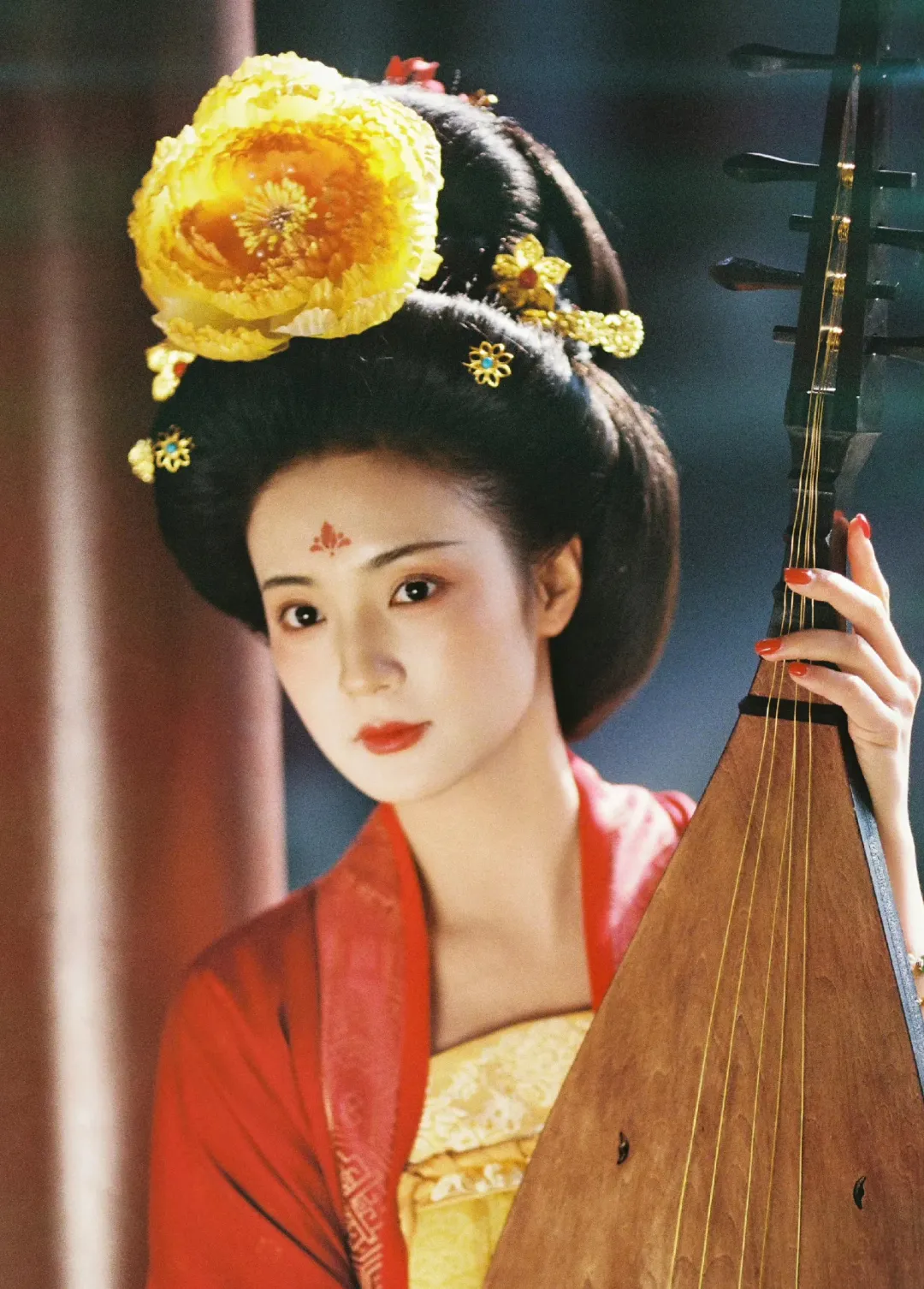
Recognition followed. She received the 11th Wenrong Award for Breakthrough Young Actress and was selected for the 2025 “Stars and Seas” Youth Actor Program, alongside honors at the National Drama Ceremony. These accolades did not signal sudden transformation; they formalized what years of steady work had already suggested.
VI. The Nature of Her Appeal
Zhang Yaqin’s appeal resists spectacle. It lies in consistency. In an ecosystem prone to volatility, she represents durability. Her screen image remains relatively scandal-free, her workload balanced yet persistent, her evolution gradual. She is not the archetype of an actor who dazzles once and fades. Instead, she accumulates credibility.
Her classical aura feels earned rather than manufactured. Her emotional restraint invites closer viewing. Her career illustrates a particular model of success in contemporary Chinese entertainment—one that privileges craft over controversy, sustainability over sudden ascent.

Conclusion: A Curve Still Rising
From her birth in 1996 in Ezhou to her growing industry recognition by 2025, Zhang Yaqin’s journey spans nearly a decade of continuous refinement. She stands today not at a peak but along an ascending trajectory. In a time obsessed with acceleration, her steady progression offers a different narrative: that patience, discipline, and quiet persistence can carve a space as enduring as any headline. The future chapters of her career remain unwritten, but the pattern is clear. She is not a fleeting bloom. She is a name being confirmed—slowly, unmistakably—by time itself.

