The 32-episode period drama Winter Gives Way to Spring (冬去春来) is officially scheduled to premiere on CCTV-8 on March 22, taking over the time slot from the highly rated My Mountains and Seas. Directed by Zheng Xiaolong and written by Gao Mantang, the series stars Bai Yu, Zhang Ruonan, and Lin Yun, bringing together a strong creative and acting team rooted in realism.
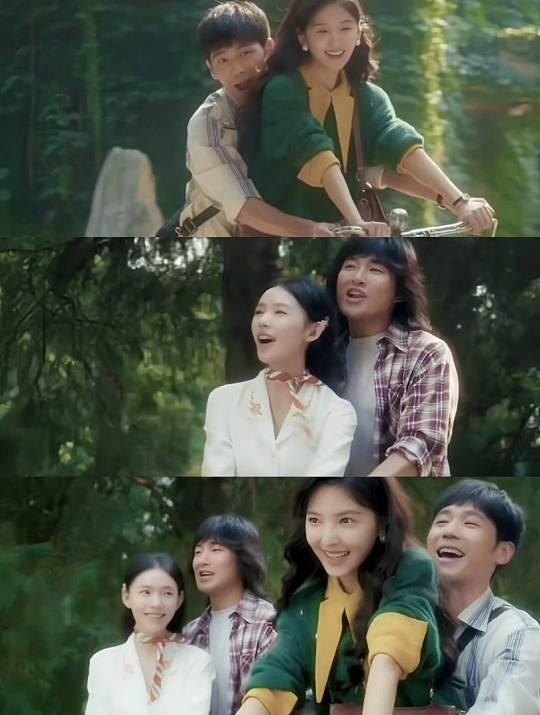
One of the most distinctive features of Winter Gives Way to Spring (冬去春来) lies in its commitment to an original script. At a time when adaptations dominate the market, the drama stands out by drawing directly from real-life observations. Screenwriter Gao Mantang builds the narrative on lived experiences, allowing the story to avoid exaggerated tropes and instead remain grounded in authentic human struggles.
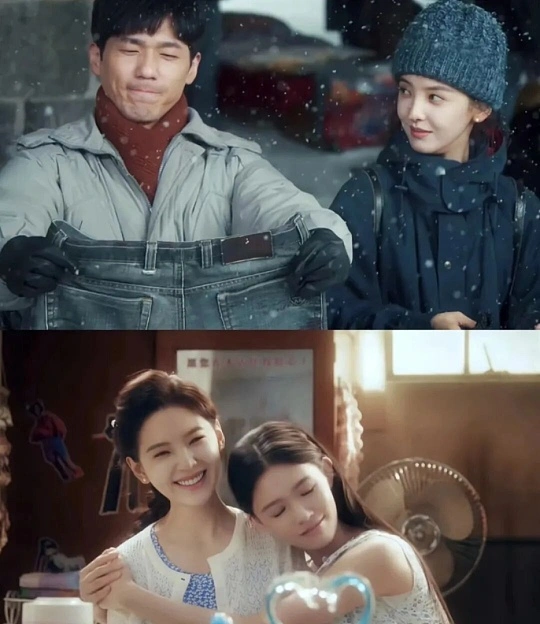
Spanning nearly three decades, Winter Gives Way to Spring (冬去春来) traces the journey from the 1990s to 2018 in Beijing. Rather than focusing on extraordinary figures, the drama centers on a group of young artists who migrate to the city in pursuit of their dreams. Their stories unfold within a modest guesthouse named “Winter Gives Way to Spring,” located near Beijing West Railway Station, where rent is minimal but aspirations run high.
At the heart of Winter Gives Way to Spring (冬去春来) are six individuals from different backgrounds, each representing a facet of the era’s “Beipiao” generation. Bai Yu portrays Xu Shengli, a screenwriting graduate who arrives in Beijing carrying manuscripts and unwavering determination. Despite repeated rejections and financial hardship, he persists, embodying the resilience of a dreamer unwilling to compromise.


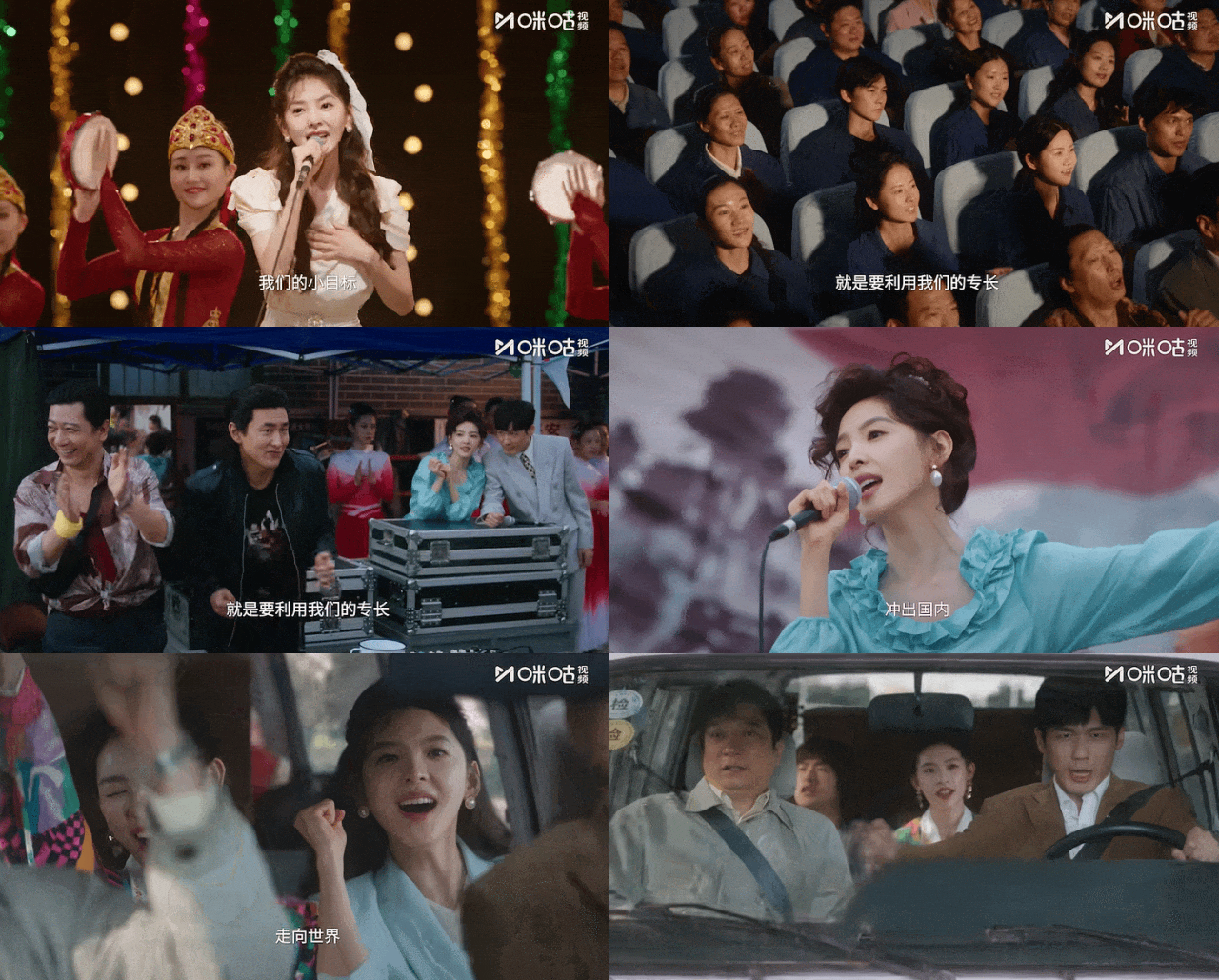
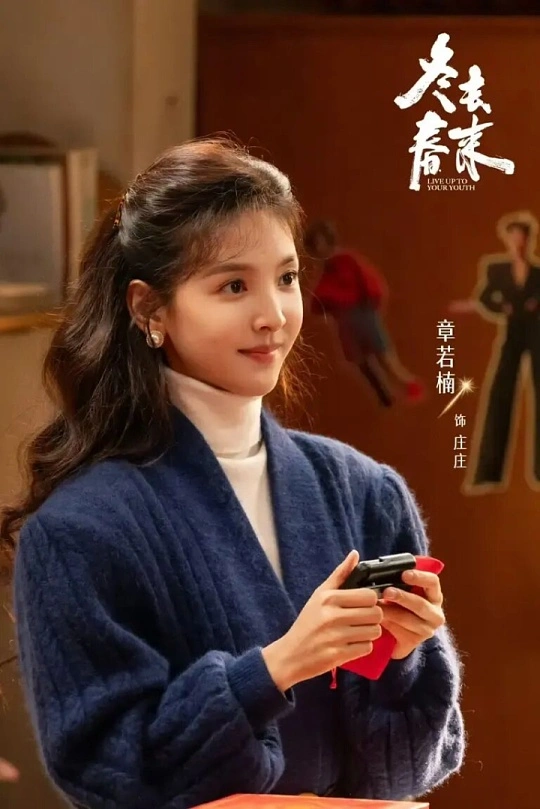
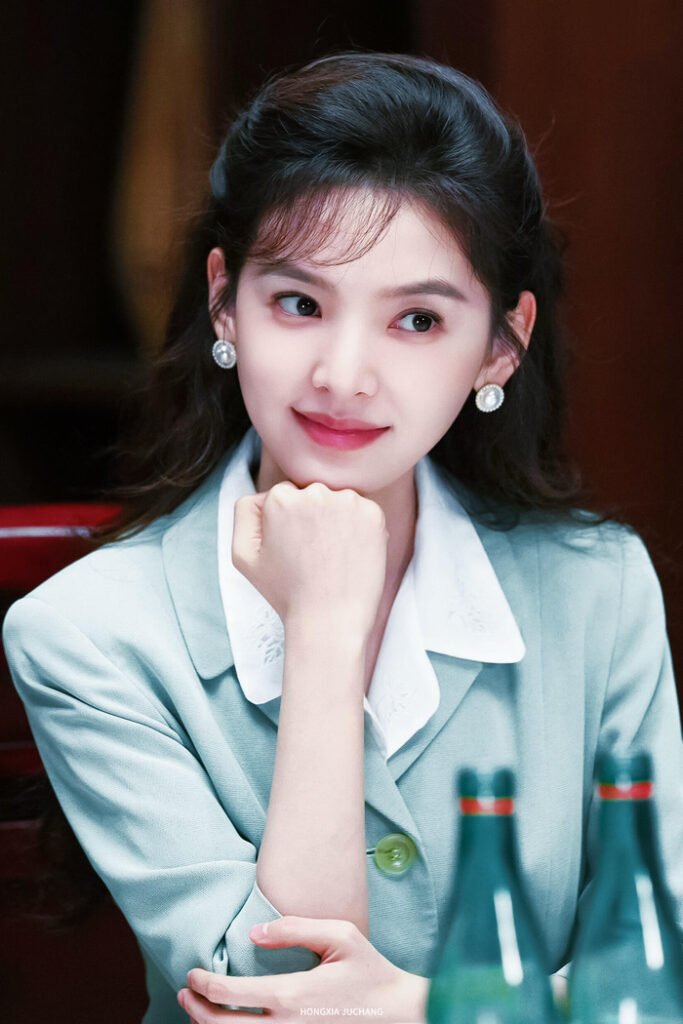
Alongside him, Zhang Ruonan plays Zhuang Zhuang, a singer from Wenzhou who longs to perform on a professional stage. Yet reality confines her to commercial gigs at shopping events and weddings, where she performs in modest attire before returning to a small room to mend her belongings. Her character captures the tension between ambition and survival, a recurring theme throughout Winter Gives Way to Spring (冬去春来).
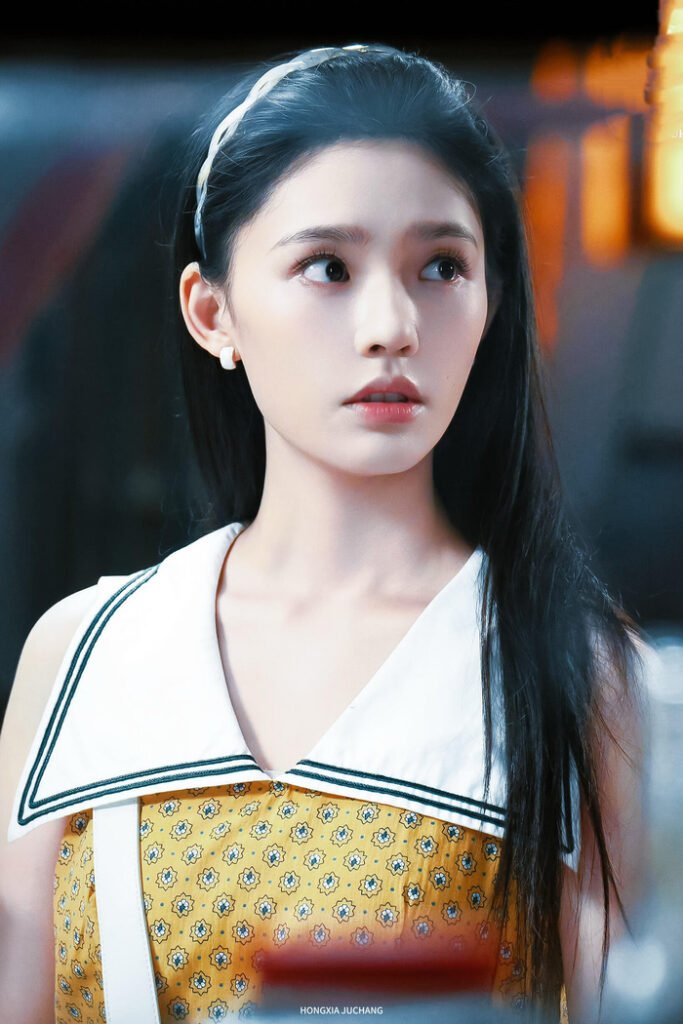
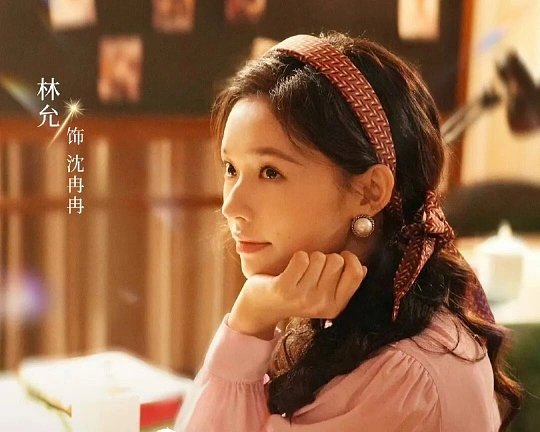
Lin Yun takes on the role of Shen Ranran, an aspiring actress navigating the harsh realities of the entertainment industry. Without connections or resources, she moves from audition to audition, confronting both opportunity and temptation while holding firmly to her personal principles. Through Shen Ranran, Winter Gives Way to Spring (冬去春来) reflects the moral dilemmas faced by many young performers.
The ensemble is further enriched by characters such as Tao Liangliang, a talented saxophonist forced to perform in underpasses, and Guo Zongbao, a background actor supporting his family through modest earnings. Together, these figures create a vivid portrait of a generation striving for recognition in an unforgiving environment.
Rather than romanticizing hardship, Winter Gives Way to Spring (冬去春来) presents the realities of life with unfiltered honesty. Rejected manuscripts, awkward performances, failed auditions, and financial struggles are depicted with emotional precision. The series captures the texture of everyday life, allowing viewers to connect with its characters on a deeply personal level.
The creative team behind Winter Gives Way to Spring (冬去春来) further elevates its credibility. Director Zheng Xiaolong, known for works such as Empresses in the Palace and Golden Marriage, brings his expertise in crafting character-driven narratives. Meanwhile, Gao Mantang, celebrated for writing The Age of Awakening-style dramas like Wenzhou Family, continues his focus on ordinary individuals shaped by historical change.
With its focus on small lives reflecting a larger era, Winter Gives Way to Spring (冬去春来) offers a quiet yet powerful exploration of perseverance, identity, and time. As the drama prepares to air, it stands as a testament to the enduring appeal of realist storytelling in Chinese television.

