South Korea is often introduced through pop culture — K-dramas, K-pop, skincare, and fashion. And while those are real parts of the country, they’re not what define the actual travel experience.
The truth is, Korea is not a place that overwhelms you at first glance. It doesn’t try to impress you with grand monuments or extreme landscapes. Instead, it does something quieter — it builds comfort, familiarity, and rhythm.
And that’s why many travelers leave Korea thinking:
– “That was easier, smoother, and more enjoyable than I expected.”
This South Korea travel guide isn’t about hype. It’s about understanding how Korea actually feels to travel — and why it’s one of the most underrated yet satisfying destinations in Asia.
Why South Korea Often Exceeds Expectations
Most people don’t go to Korea with extremely high expectations.
They might think:
- “I’ll explore Seoul for a few days”
- “Try Korean food”
- “Visit some filming locations”
But after the trip, something shifts.
The feedback is often surprisingly consistent:
- “It’s not overwhelming, but everything works really well.”
Korea’s strength lies in balance:
- Modern but not chaotic
- Cultural but not heavy
- Affordable compared to Japan
- Easy to navigate
It’s not the most dramatic destination — but it’s one of the most comfortable and accessible travel experiences you can have.
Understanding South Korea’s Travel Regions
South Korea is relatively small, but choosing the right regions can completely change your experience.
Seoul: The Core of Modern Korea
Seoul is where almost every trip begins — and for good reason.
It’s a city that moves fast, but never feels out of control.
In a single day, you can move between:
- Historic palaces like Gyeongbokgung
- Trendy districts like Hongdae
- Upscale areas like Gangnam
- Traditional markets and street food zones
What stands out most isn’t any single attraction — it’s how everything fits together.
- Seoul is a city designed for living, not just visiting.
Compared to Tokyo, it feels more relaxed. Compared to Southeast Asian cities, it feels more structured.
Busan: Korea’s Coastal Contrast
Busan offers a completely different rhythm.
It’s still a major city, but the presence of the ocean changes everything.
- Haeundae Beach brings a resort-like atmosphere
- Jagalchi Fish Market adds local authenticity
- Gamcheon Culture Village offers visual charm
Busan feels less like a capital and more like a place where people actually live and unwind.
- If Seoul is about movement, Busan is about breathing space.
Jeju Island: Slowing Down Without Trying
Jeju Island is Korea’s go-to escape.
Volcanic landscapes, coastal cliffs, and quiet roads define the experience.
Unlike Seoul, Jeju doesn’t try to entertain you constantly.
Instead, it offers:
- Open space
- Calm pace
- Nature-driven experiences
It’s ideal if you want to step away from urban energy.
But it’s important to be honest:
– If you’re looking for nightlife or constant activity, Jeju may feel too slow.
Beyond the Main Cities: The Korea Most People Miss
Some of the most interesting experiences in Korea happen outside the major destinations.
- Gyeongju: historical depth, ancient sites
- Jeonju: traditional hanok village and food culture
- Gangneung: quiet coastal atmosphere
These places show a different side of Korea — less polished, more personal.
Korean Culture: A Blend That Actually Works
Korea is often described as a mix of traditional and modern culture. That’s true — but what makes it interesting is how seamlessly the two coexist.
You’ll see:
- People in hanbok taking photos in royal palaces
- Trendy cafes right next to historic neighborhoods
- Modern lifestyles shaped by traditional values
Nothing feels forced.
- Culture in Korea isn’t preserved behind glass — it’s lived in real time.
Social Energy: More Expressive, More Human
Compared to Japan, Korea feels more emotionally open.
- Conversations are louder
- Reactions are more visible
- Interactions feel less formal
This creates a different kind of travel experience.
– It’s less about perfection, more about personality.
And for many travelers, that makes Korea feel more approachable.
Korean Food: Bold, Social, and Addictive
Food in Korea is not subtle — and that’s exactly the point.
It’s bold, flavorful, and designed to be shared.
Some essentials:
- Korean BBQ (grilled meat, eaten together)
- Fried chicken and beer (a cultural staple)
- Tteokbokki (spicy rice cakes)
- Bibimbap (mixed rice with vegetables and meat)
- Kimchi (present in almost every meal)
What stands out isn’t just taste — it’s the experience.
Meals are interactive. You cook, share, talk.
- Eating in Korea feels like participation, not consumption.
And compared to Japan, it’s generally more affordable — which makes it even more enjoyable.
When to Visit South Korea
Korea has four distinct seasons, and each offers a different experience.
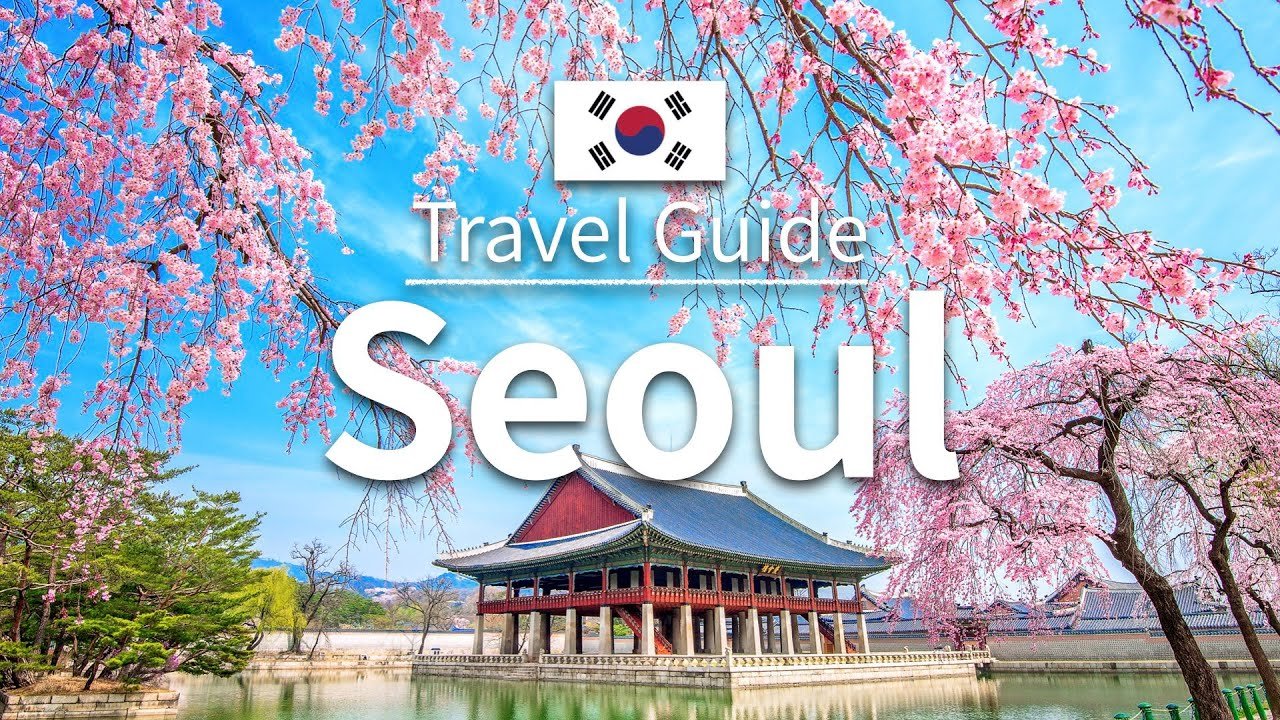
- Spring (March–May): Cherry blossoms, mild weather
- Summer (June–August): Hot and humid, but lively
- Autumn (September–November): Best overall balance
- Winter (December–February): Cold, but great for snow and skiing
If you want a safe choice:
– Spring or autumn
If you want something different:
– Winter (especially outside Seoul)
The Real Pros and Cons of Traveling in Korea
What Korea Does Very Well
- Clean, modern cities
- Efficient public transportation
- Strong food culture
- Good value compared to similar countries
- Easy for short or mid-length trips
Where Korea Falls Short
- Fewer “iconic” landmarks compared to Japan or China
- Some repetition in city experiences
- Language barrier outside major areas
- Less dramatic nature compared to larger countries
Still, Korea delivers something important:
- Consistency without stress
Who Should Travel to South Korea?
Korea is a great fit if you:
- Enjoy city-based travel
- Care about food and café culture
- Prefer structured but relaxed environments
- Want a modern experience without extreme cost
It may not be ideal if you:
- Seek raw adventure or remote exploration
- Want constant visual “wow” moments
- Prefer highly diverse landscapes
A Personal Perspective: Why Korea Stays With You
If I had to describe Korea honestly, I wouldn’t call it “spectacular.”
I’d call it:
- “quietly satisfying.”
It doesn’t try to impress you immediately.
Instead, it works in small ways:
- Things are easy to understand
- Days flow naturally
- You don’t feel exhausted
And after a few days, you realize:
- You’re not trying hard to enjoy the trip — you just are.
That’s rare.
Final Thoughts: Korea Is Not Flashy — It’s Smart Travel
South Korea may not be the most dramatic destination in Asia, but it’s one of the smartest choices you can make.
It offers:
- Modern comfort
- Cultural access
- Strong food experiences
- Manageable costs
- Low travel stress
It doesn’t overwhelm you. It supports you.
And in a world where travel can often feel chaotic or exhausting, that matters more than people think.
👉 If you’re looking for a destination that’s easy to enjoy, hard to dislike, and worth repeating —
South Korea is one of the best choices you can make.

