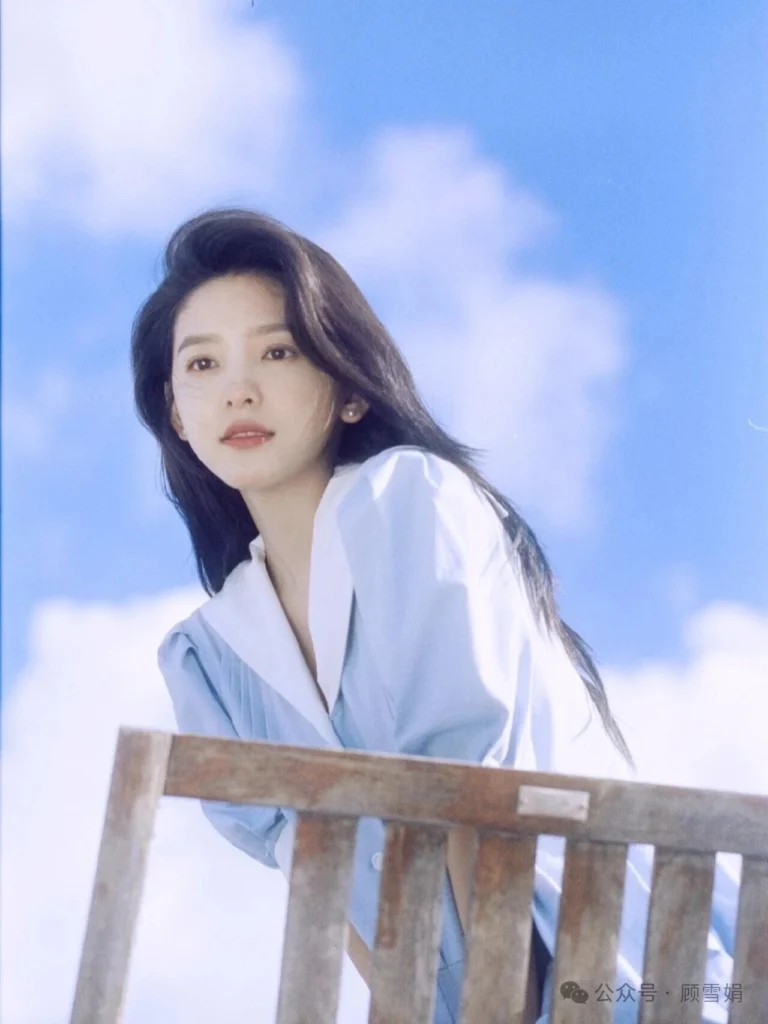
Zhang Ruonan was born on November 14, 1996, in Yueqing, Wenzhou, Zhejiang. Her childhood did not remain anchored solely in her hometown; instead, it unfolded across the quieter, lingering years she spent in Shijiazhuang, where her parents ran their business. In that unhurried and understated rhythm of life, something subtle took shape. Without noise or declaration, those years gently carved out a temperament defined by restraint, calmness, and an unassuming grace. Over time, this quiet disposition would find its reflection on screen—like a soft light, barely pronounced, yet impossible to ignore.
A Face Emerging from the Memory of Youth
In 2015, while studying at university in Hangzhou, Zhang Ruonan entered a campus beauty contest at the suggestion of a friend. With nothing more than a single photo casually posted on Weibo, she unexpectedly advanced into the national top 30. What seemed like a fleeting coincidence quietly became her first step into the world of modeling.
In the margins of her student life, she gradually found her way into the language of images and the gaze of the camera. Beginning with simple photo shoots, she was soon offered broader opportunities, including a micro-film commercial collaboration with Xue Zhiqian. These experiences did not arrive with fanfare, but accumulated quietly, opening a path she had never consciously envisioned.
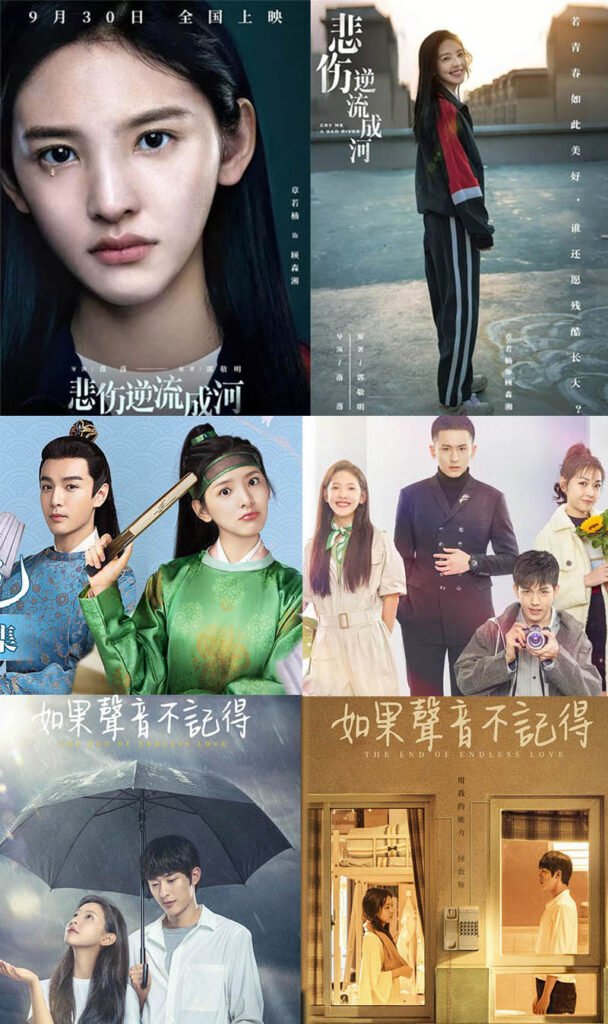
In 2017, the production team of Cry Me a Sad River reached out to her and invited her to audition. Faced with a direction entirely unfamiliar, she hesitated—briefly—before deciding to try. That choice would ultimately mark the true beginning of her acting career.
In the film, Zhang Ruonan portrayed Gu Senxiang. The character does not function as a driving force of the narrative, but rather as a point of contrast—a gentle, luminous presence within a school environment overshadowed by pressure and cruelty.
Gu Senxiang is not built on strong dramatic conflict. Her emotional line is relatively simple; her personality kind, soft, and without sharp edges, leaning toward an almost idealized form. As such, the challenge of the role lies not in emotional outbursts, but in sustaining authenticity within that very simplicity.
In her performance, Zhang Ruonan adopts a restrained approach. Rather than amplifying emotion, she builds the character through softened gazes, quiet tones, and a steady rhythm. Even in pivotal scenes, she maintains this composure, allowing the character to exist in a state of “fragility rather than intensity.”
This treatment elevates Gu Senxiang into something almost symbolic—she does not need to stand at the center of the story, yet leaves behind a clear and lingering impression. Zhang Ruonan’s performance does not rely on overt technical display, but on an intuitive alignment with the character, resulting in a presence that feels both natural and distinctly recognizable.
From this role, it becomes evident that in her early stage, her strength did not lie in complex acting techniques, but in her ability to embody the emotional essence of a character. And it is precisely this alignment that allowed her to leave a lasting impression from the very beginning of her career.
Extending Her Presence Beyond the Screen
In 2019, Zhang Ruonan began to expand her visibility beyond film and television. She appeared on the performance show I Am the Actor: Peak Showdown (我就是演员之巅峰对决), participating as a mentee under Tong Dawei.
In a segment adapted from the French short film The Piano Tuner, she portrayed a strong-willed waitress in a Western restaurant. The role stood in clear contrast to her previously gentle and subdued screen image, marking one of her earliest and relatively rare attempts at a different character type.
That same year, she received the “Fashion Vitality Pioneer of the Year” award at the Phoenix Fashion Awards. This recognition reflected her growing presence within the fashion sphere, while also signaling a gradual expansion of her public image—from that of a screen character to a broader cultural visibility.
A Presence Reappearing Across Different Stories
The year 2020 saw a concentrated release of Zhang Ruonan’s projects, with her appearing frequently across various productions and gradually establishing a stable level of audience recognition.
In Everyone Wants to Meet You (谁都渴望遇见你), she played Luo Xi—a girl capable of “communicating with plants.” The character carried a soft touch of fantasy and a healing tone, continuing the gentle, luminous image she had previously cultivated.
In the costume romantic comedy My Dear Guardian (师爷请自重), she took on the role of Tan Lingyin, a lively and quick-paced character. Compared to her earlier, more restrained roles, this was a lighter and more outward expression, offering a subtle yet noticeable shift in tone.
Toward the end of the year, in the film If the Voice Has Memory (如果声音不记得), she reunited with director Luo Luo, portraying a girl struggling with depression. This role carried a heavier emotional weight and relied more heavily on internal expression. While she maintained her signature restraint, it can be seen as an initial step toward engaging with more complex emotional territory.
Beyond her major screen projects, she also participated in works such as Gaokao 2020 (高考2020) and stage performances, further broadening her presence. Overall, however, the core of this period lay in steadily building audience recognition through the continuous release of multiple works.
From a Youthful Muse to Emotionally Layered Love Stories
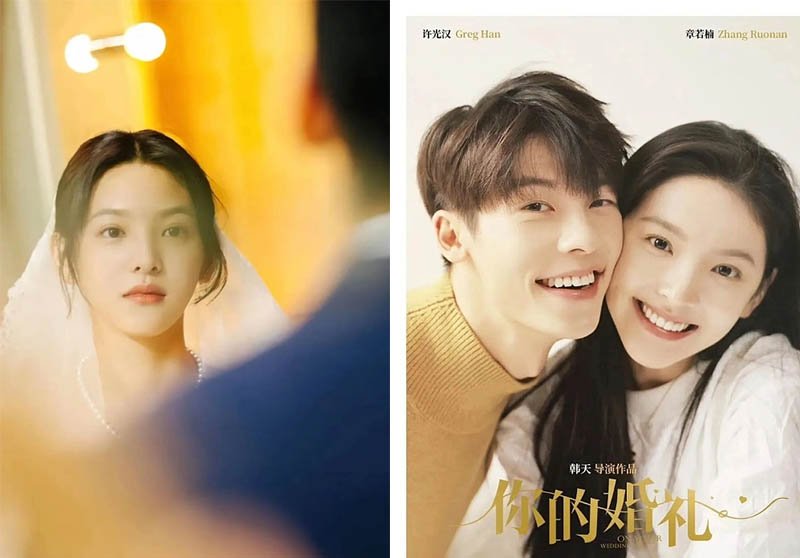
In My Love (你的婚礼, 2021), Zhang Ruonan portrayed You Yongci. At the core of this character lies a psychological foundation shaped by an incomplete family upbringing, leaving her with a persistent sense of insecurity. As a result, in romantic relationships, she exists in a constant state of “wanting to move closer, yet instinctively pulling away.” Her emotional trajectory is not linear, but rather a cycle of hesitation and self-protection.
In the early stages, You Yongci appears relatively open. Zhang Ruonan renders this phase with a light, natural touch—bright eyes, direct responses—capturing the familiar texture of youthful romance and allowing the audience to ease into the character’s emotional world.
As the narrative unfolds, the character’s underlying insecurity gradually surfaces. Faced with emotional decisions, Zhang does not resort to overt outbursts, but instead maintains a restrained, hesitant approach. In moments of separation or refusal, she lowers her voice, breaks her speech rhythm, and slows her reactions, conveying a state of “still feeling, yet choosing to withdraw.”
This approach preserves the internal logic of the character—one consistently governed by self-protection. However, the same restraint also softens the impact of certain emotional peaks, limiting the overall dramatic tension.
In the latter part of the film, when confronting past relationships and their consequences, Zhang continues this inward expression, allowing the character to settle into a lingering sense of regret rather than emotional release. While this aligns with the film’s overall tone, it also leaves the role without a sharply defined emotional climax.
Overall, You Yongci is a character with a clear emotional arc. Zhang Ruonan demonstrates strength in conveying subtle emotional layers and maintaining continuity, though in moments requiring greater intensity, her performance remains somewhat restrained.
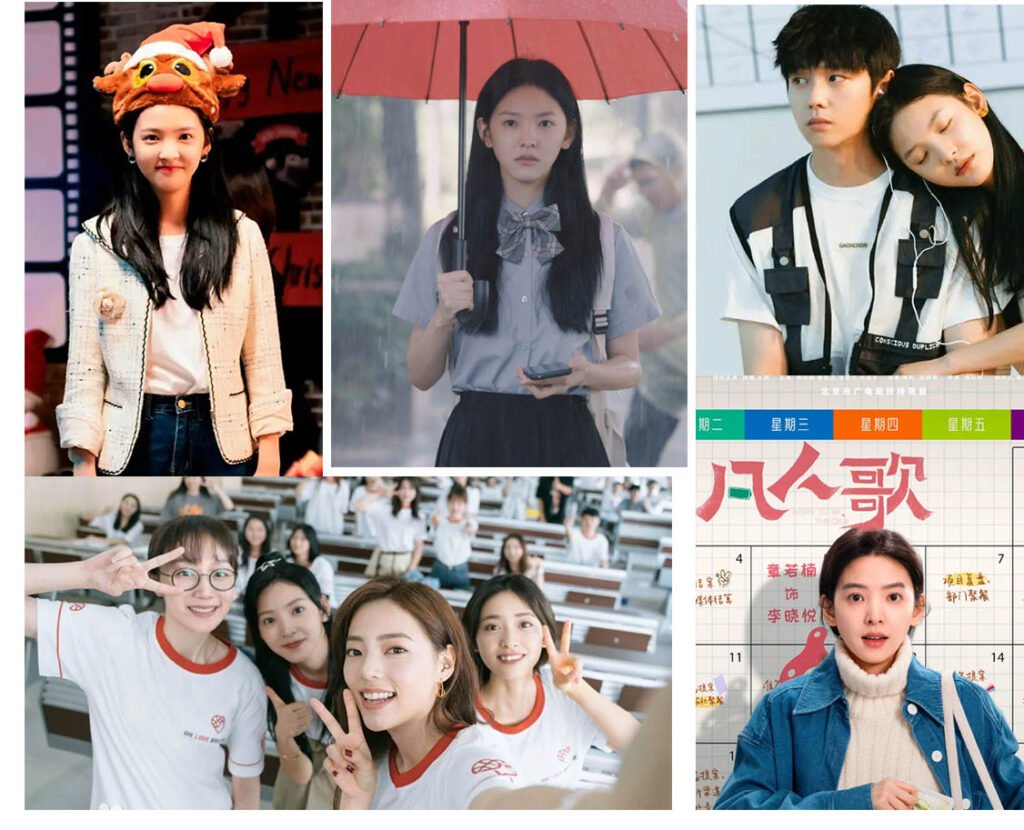
On television, in The Crack of Dawn (机智的上半场), she played Huangfu Shumin—a more extroverted and dramatically expressive character, adding contrast to her previously reserved image. In The Psychologist (女心理师), she took part in a drama centered on urban psychological themes. Though not the lead, it expanded the range of genres she engaged with.
Taken together, 2021 marks a transitional phase in Zhang Ruonan’s career—one where she sustains her established emotional roles while beginning to explore broader character types and narrative spaces.
From “First Love” Impressions to More Layered Characters
From 2022 onward, Zhang Ruonan’s range of roles began to widen. She gradually moved beyond the singular “first love” image, stepping into characters shaped by professional identities or historical contexts.
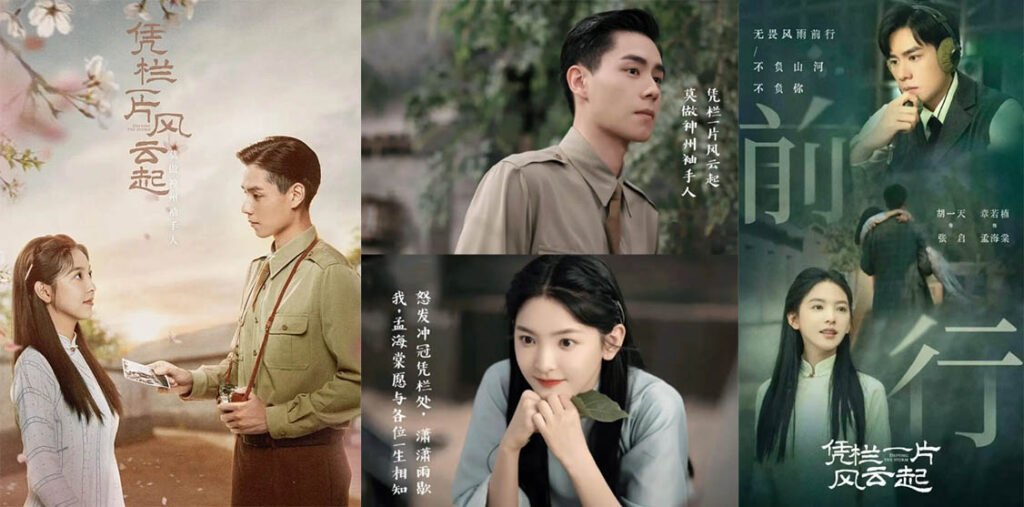
In Defying the Storm (凭栏一片风云起), she portrayed Meng Haitang—a character situated within the currents of her time, embodying themes of choice and perseverance. Her restrained performance aligns with the tone of the role, though the absence of strong emotional peaks limits its memorability.
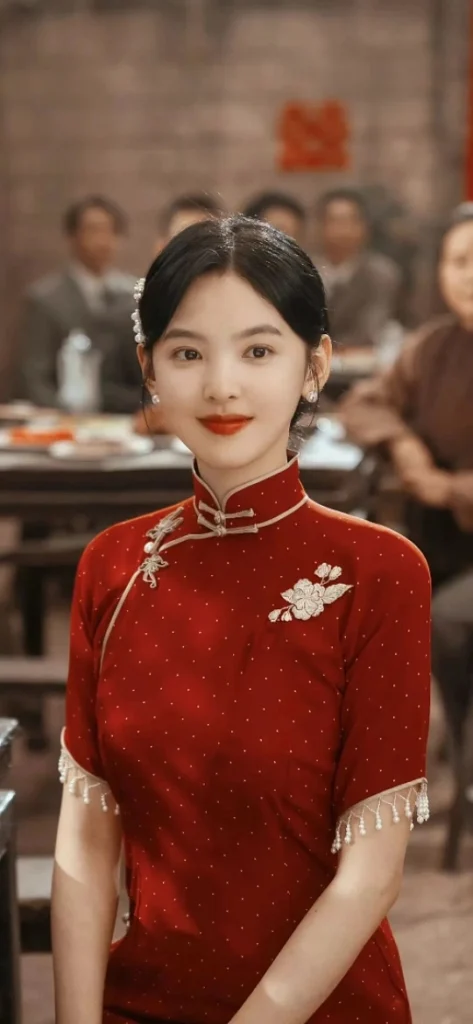
In the film All These Years (这么多年), she played Ling Xiangxi, a character spanning multiple stages of growth. She expresses this evolution through subtle shifts in tone and rhythm, though the distinctions between phases remain somewhat understated, resulting in a smoother, less contrasted progression.
In Too Beautiful to Lie (请别相信她), she took on the role of Bai Na—a more lively character with a slight contrast to her established image. While she adjusts her performance rhythm to appear more dynamic, she does not fully depart from her familiar gentleness.
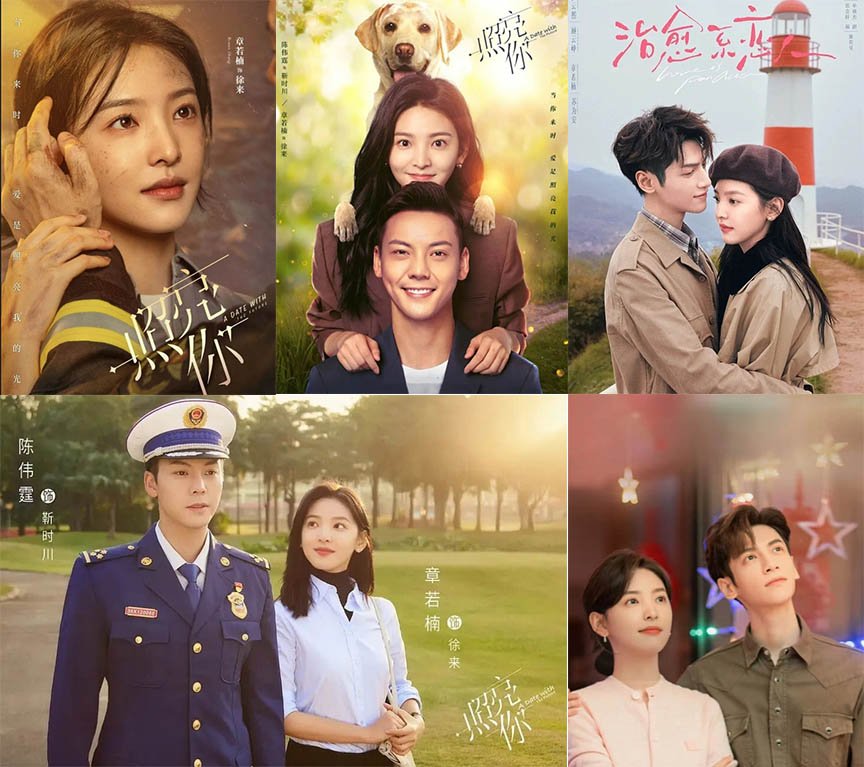
In the drama Bright Eyes in the Dark (照亮你), Xu Lai is a character with a defined profession and a clearer narrative trajectory, making it one of her more complete urban roles. She handles emotional interactions with ease, though in scenes involving professional pressure or key decisions, her emotional expression remains relatively controlled.
A Soft Presence Continuing Within Urban Light
In Love Heals (治愈系恋人), Zhang Ruonan portrayed Su Weian—a character standing at a crossroads of life choices. While the role carries a degree of internal conflict, her performance remains measured and controlled, with no pronounced emotional release.
In the film Lighting Store (照明商店), she played Xu Nian. The work blends elements of suspense and fantasy, and Zhang adopts a relatively neutral acting style to merge into its overall atmosphere. However, this approach also softens the distinctiveness of the character itself.
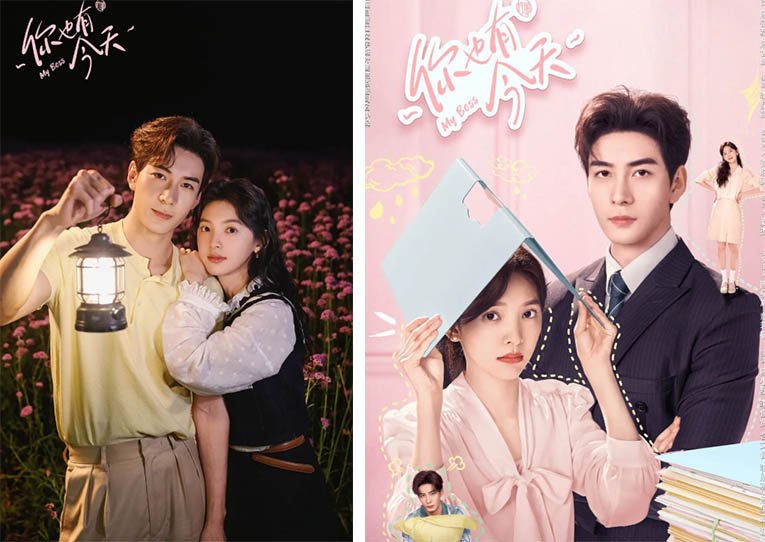
In You Are My Destiny (Today) (你也有今天), she took on the role of Cheng Yao, a young lawyer navigating the realities of professional life. Her portrayal of the character’s process of adaptation feels natural and grounded, though the overall arc remains relatively restrained in its transformation.
When Silence Begins to Carry Meaning
In The First Frost (难哄, 2025), Zhang Ruonan stars as Wen Yifan, a character defined by emotional restraint—cold on the surface, yet deeply tender within. Marked by past trauma, she maintains distance in her emotional life. The narrative centers on the push-and-pull dynamic between her and Sang Yan, where expression is not driven by isolated climaxes but by the gradual evolution of their relationship.
In the early stages, after their reunion, Wen Yifan keeps a clear emotional distance. Zhang handles this through a restrained approach: brief lines, minimal outward emotion, and slightly delayed reactions that signal a guarded state. When Sang Yan reaches out, she often avoids or deflects, embodying a condition of “feeling, but not expressing.”
As the story progresses, the relationship slowly softens, and so does the character. Zhang allows her gaze to linger longer, her tone to grow lighter and more natural, and her interactions to open up. These changes unfold in small increments, forming a gradual and coherent emotional progression.
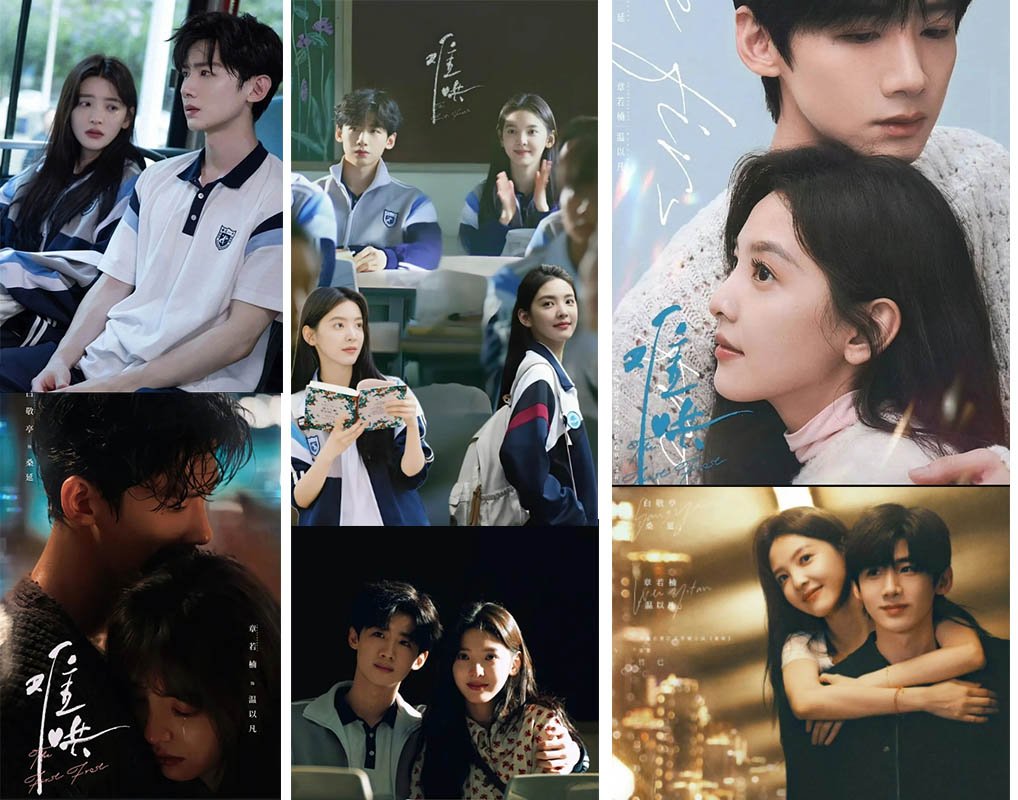
In scenes involving past trauma and psychological pressure, she continues to employ a restrained, internalized style—lowering her voice, introducing pauses, and relying on subtle facial shifts. This aligns with the character’s enduring nature, though in certain emotional peaks, the controlled delivery slightly limits the impact.
Within her dynamic with Sang Yan, Zhang effectively conveys the progression from resistance to hesitation to acceptance, particularly in everyday interactions where the emotional texture feels authentic. However, at key turning points, the contrast between emotional layers remains somewhat understated.
Overall, her portrayal of Wen Yifan aligns closely with the character’s tone, especially in rendering subtle emotional shifts and relational dynamics. Yet in moments requiring greater emotional weight, there remains room for further expansion.
In the same year, she also participated in projects such as Silent Love (不说话的爱) and Huai Shui Bamboo Pavilion (淮水竹亭), while maintaining her public presence through a variety of entertainment programs.
A Gradual Yet Clearly Expanding Trajectory
In 2026, Zhang Ruonan appeared in the film My Friend Andrei (我的朋友安德烈), while also returning to realism-driven storytelling with Winter to Spring (冬去春来).
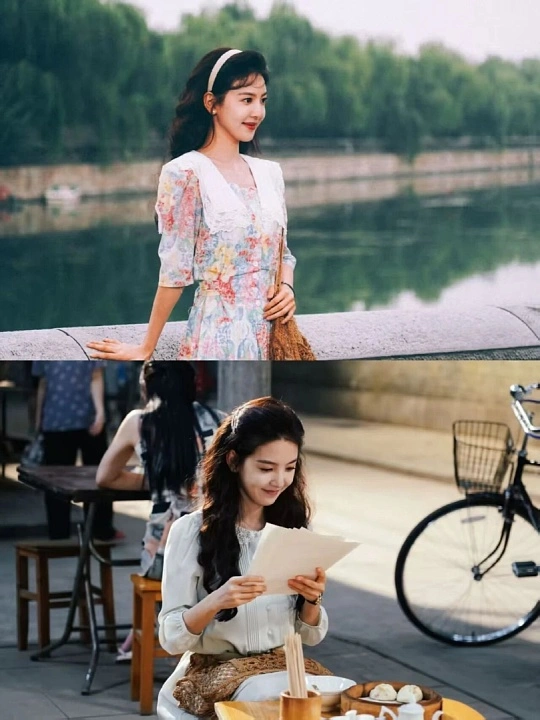
Taken as a whole, this stage of her career reflects a steady pace of output, alongside a gradual shift from a singular youthful image toward characters defined by profession and deeper emotional layering. This transition does not occur abruptly; rather, it unfolds slowly, with a quiet but deliberate sense of direction.
Among her upcoming projects, Rain Bell (雨霖铃) stands out as a particularly notable work. Inspired by The Three Heroes and Five Gallants (三侠五义), the story revolves around Zhan Zhao, Huo Linglong, and Bai Yutang, weaving together a series of cases that bridge the martial world and the political sphere.
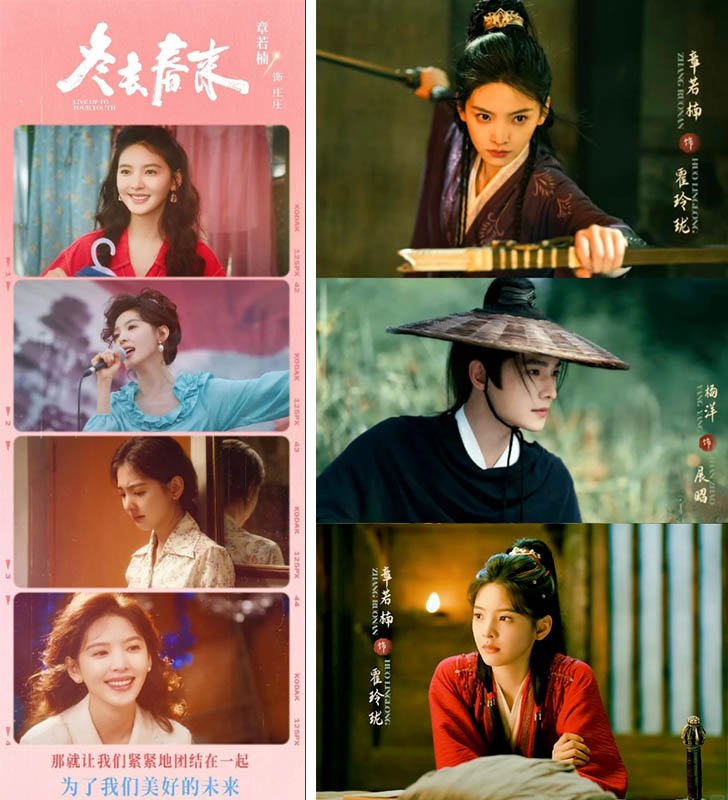
Within this structure, Huo Linglong—played by Zhang Ruonan—is not merely part of the emotional narrative, but also a key driver of the plot. Unlike her previous urban roles, this is a wuxia character defined by action, directly involved in investigations, evidence tracing, and confrontations with opposing forces.
From a character perspective, Huo Linglong embodies both the spirit of the martial world and the tension of personal emotion. This duality—action intertwined with inner conflict—creates a layered structure that opens new expressive possibilities.
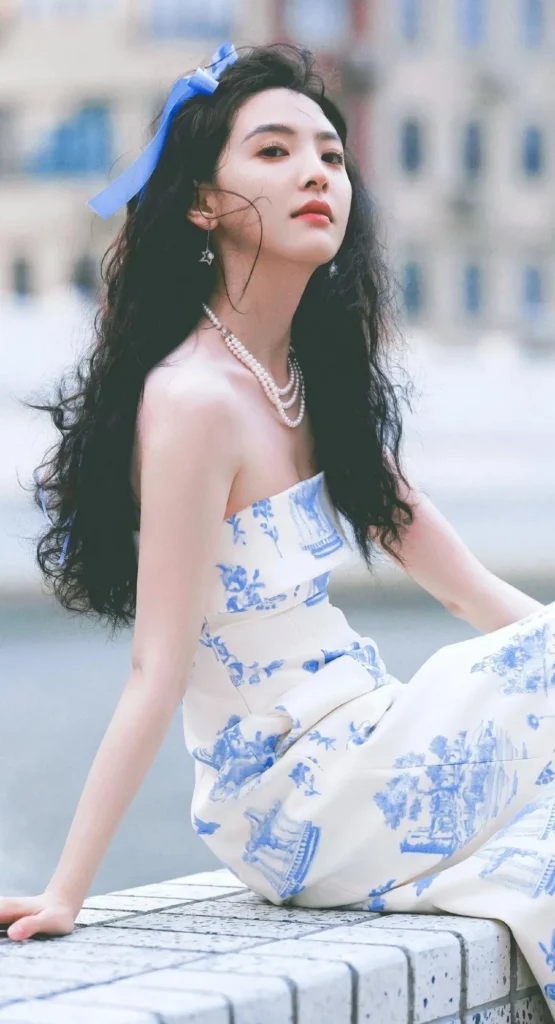
For Zhang Ruonan, this represents a notable shift: from performances centered on emotional nuance to roles that demand stronger narrative logic, physicality, and rhythmic control. The wuxia genre, in particular, places higher demands on presence, pacing, and overall command of performance.
From a project standpoint, Rain Bell has attracted considerable attention since its early development, with anticipation continuing to grow as promotional materials are released. For her, Huo Linglong is not simply a new role, but an entry point into a broader and more genre-driven narrative space.
Zhang Ruonan is not an actress defined by sudden breakthroughs. Her presence feels more like a process of accumulation—quiet, gentle, yet continuous.
She does not rush to abandon her established image, but instead expands it gradually, through changes so subtle they are almost imperceptible.
Perhaps hers is not a path marked by dramatic turning points. Yet within this quiet progression, the contours of her acting identity are slowly taking shape—becoming clearer, while retaining their original softness.
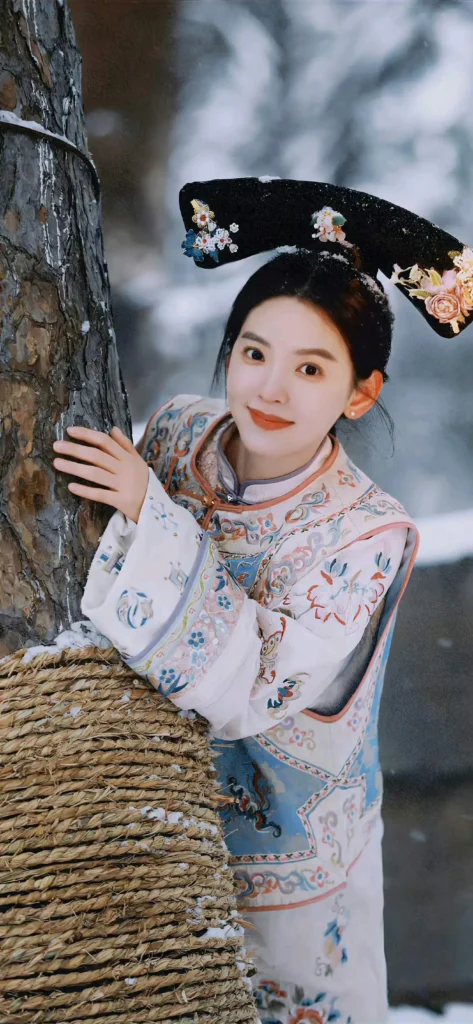
Seen from a broader perspective, her screen persona has gradually crystallized into that of a “youthful muse”—soft, delicate, and often intertwined with stories of lingering emotional resonance. There is always a trace of quiet melancholy in her performances—not overwhelming, not overt, but enough to leave a lasting echo. This quality makes her particularly suited to roles tinged with tragedy: characters caught between emotional choices, or suspended within relationships that never fully resolve.
Yet this very consistency is also becoming a limitation. As many of her roles continue to inhabit similar emotional spaces and expressive patterns, the recognizable “youth—softness—melancholy” image risks repetition. At this stage, what she needs may not simply be to sustain this alignment, but to break away from it—a role that demands a wider emotional range, or compels her to reshape her mode of expression.
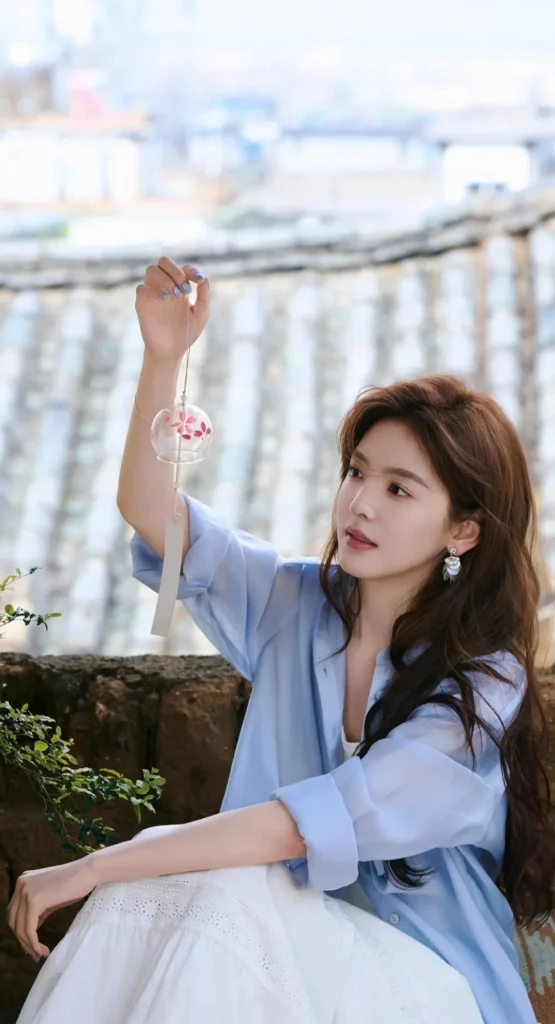
She has not rushed to step outside her familiar territory, choosing instead to extend it slowly. But if, in the future, a decisive turning point emerges—one strong enough to stretch beyond her current boundaries—then Zhang Ruonan’s artistic identity may evolve beyond its quiet softness, becoming more defined, more striking, and ultimately, more irreplaceable on screen.

