In an entertainment industry defined by speed and constant reinvention, Zhao Lusi has remained a notably gentle presence. She did not arrive with a dramatic breakthrough, nor did she seize attention through sudden transformation. Instead, she has existed steadily within the audience’s field of vision—through light, accessible stories, natural performances, and an emotional tone that feels approachable rather than constructed. Over time, this consistency has made her one of the most recognizable faces within the “sweet romance heroine” category.
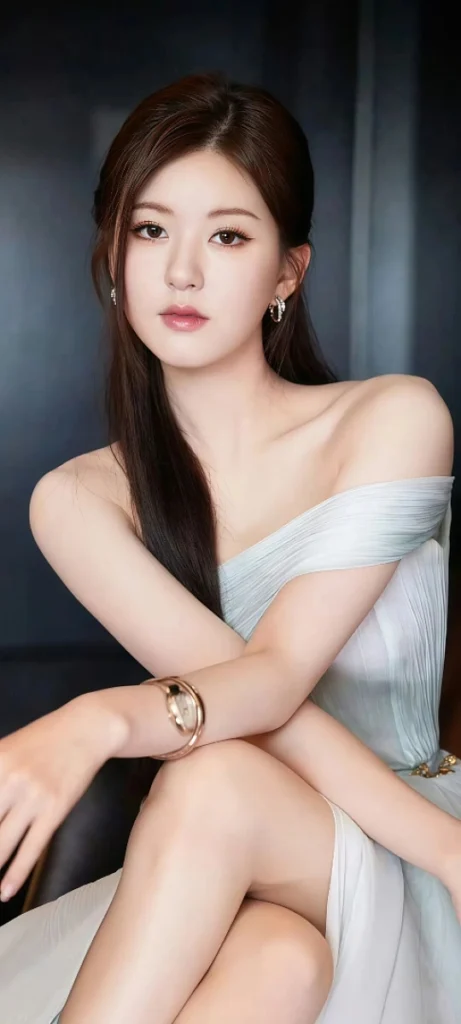
Yet this position was never achieved overnight. It is the result of gradual accumulation. From her earliest roles to more mature expressions on screen, Zhao Lusi has built a clear and stable image almost unconsciously. Audiences have come to recognize—and expect—her particular rhythm. But as that image solidified, another question quietly emerged: once “fit” becomes a strength, where does one go next?
Between shifting market expectations and personal exploration, Zhao Lusi now appears to be in a transitional phase. There is no sharp turning point, no definitive breakthrough. Her evolution feels instead like a continuous, gentle attempt—holding on to what is familiar while cautiously reaching toward new possibilities. Within this process, her image has begun to take on more layered complexity than before.
A Light Beginning, Gradually Seen
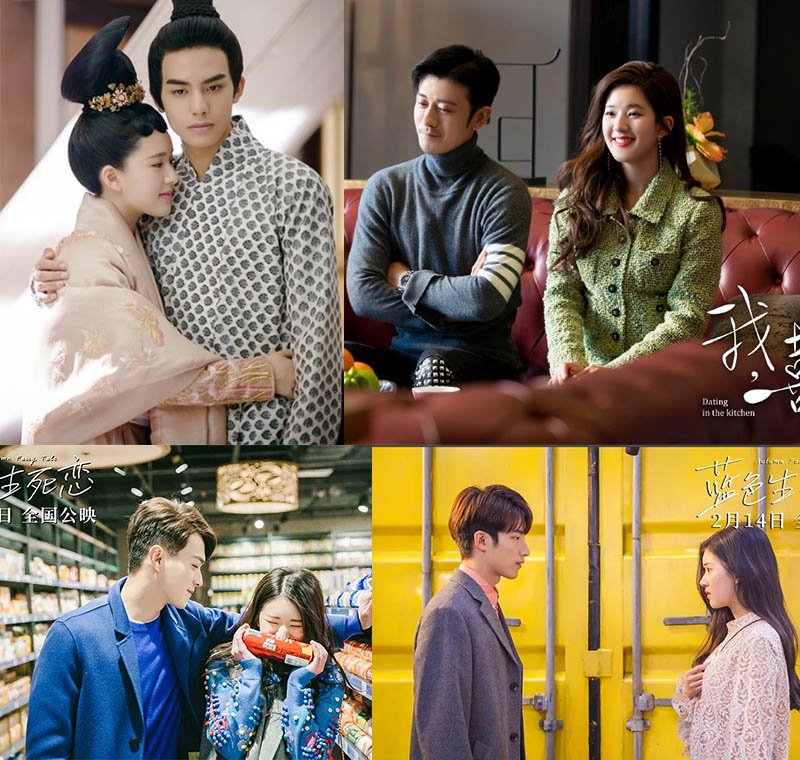
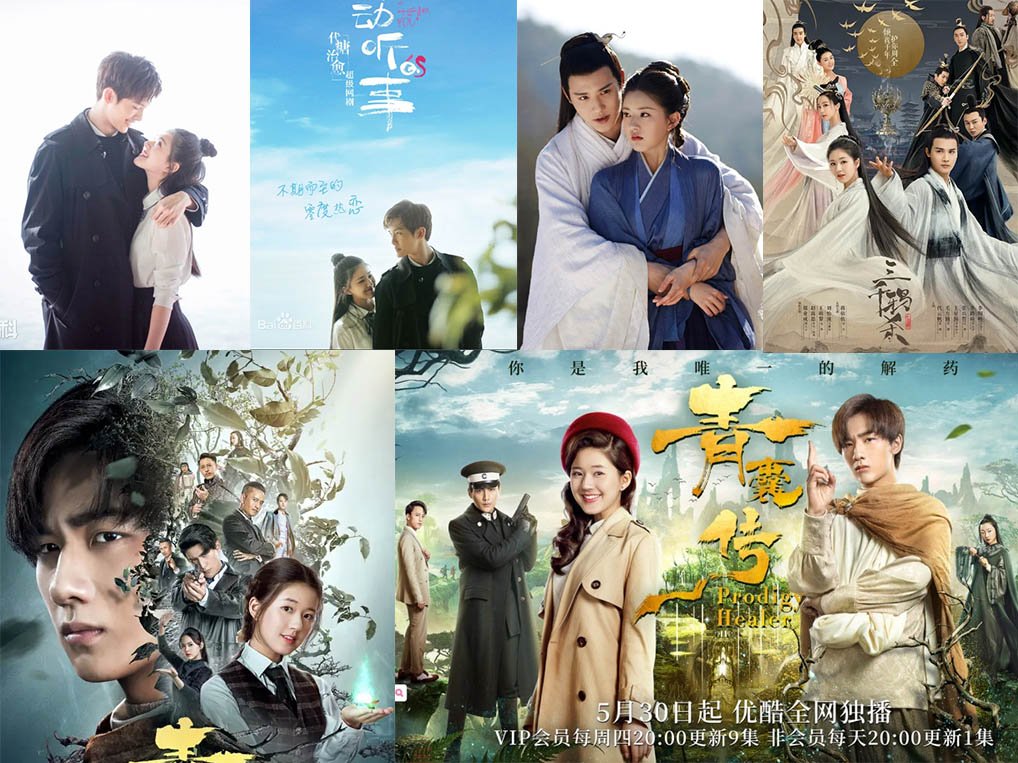
Looking back at her early stage, Zhao Lusi did not enter the public eye with a strong sense of arrival. Her presence unfolded slowly, without a defining moment or deliberate emphasis. She simply appeared, lightly, and was gradually noticed.
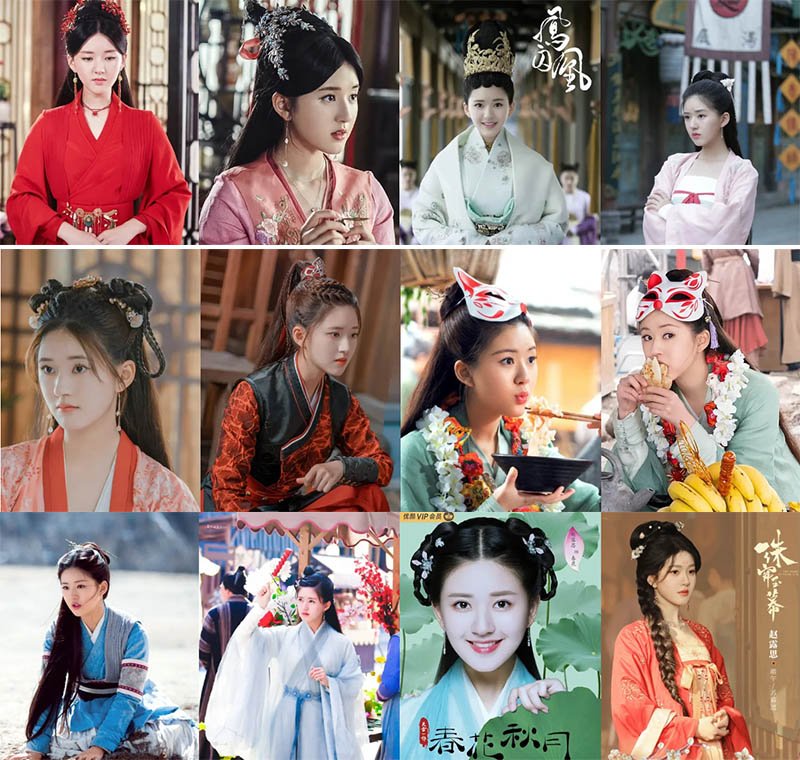
In 2016, she participated in the variety show Mars Intelligence Agency Season 2, where she appeared as a “junior agent.” In a format driven by quick reactions and timing, she did not rely on elaborate expression. Instead, her natural emotional responses and spontaneous reactions created a sense of ease—an unguarded familiarity that felt instinctive rather than designed.
A year later, she entered the world of acting through the historical drama Untouchable Lovers, where she played Ma Xueyun. Though her screen time was limited, this period allowed her to adapt to the mechanics of filming and begin shaping a more consistent mode of performance. At that time, she had not yet formed a distinct identity, but her unforced, life-like acting style had already begun to surface.
By 2018, that quality became clearer. After portraying the gentle Liu Yiyi in Cinderella Chef, she took on her first leading role in Oh! My Emperor. As Luo Feifei—a modern girl transported into a fictional world—her bright personality and direct emotional responses naturally aligned with her own expressive tendencies. The role moved easily within a light comedic rhythm, allowing her to carry the narrative without strain.
It was during this period that Zhao Lusi began to be remembered. Not because of complexity, but because of ease. Her performances created a smooth viewing experience, built on instinctive reactions and a clear sense of timing. Without effort, she became familiar.
In retrospect, this phase laid the foundation for her image. Natural, approachable, light—these traits, often mentioned later, were already taking shape. But within this seeming effortlessness, a boundary also quietly formed. Once audiences grow accustomed to comfort, breaking away from it becomes the next challenge.
Extending the Path, Testing Beyond the Familiar
As recognition grew, Zhao Lusi’s choices between 2021 and 2022 did not signal an abrupt shift, but rather a gradual extension. She did not immediately step outside her established path; instead, she began to stretch it, exploring different spaces within it.
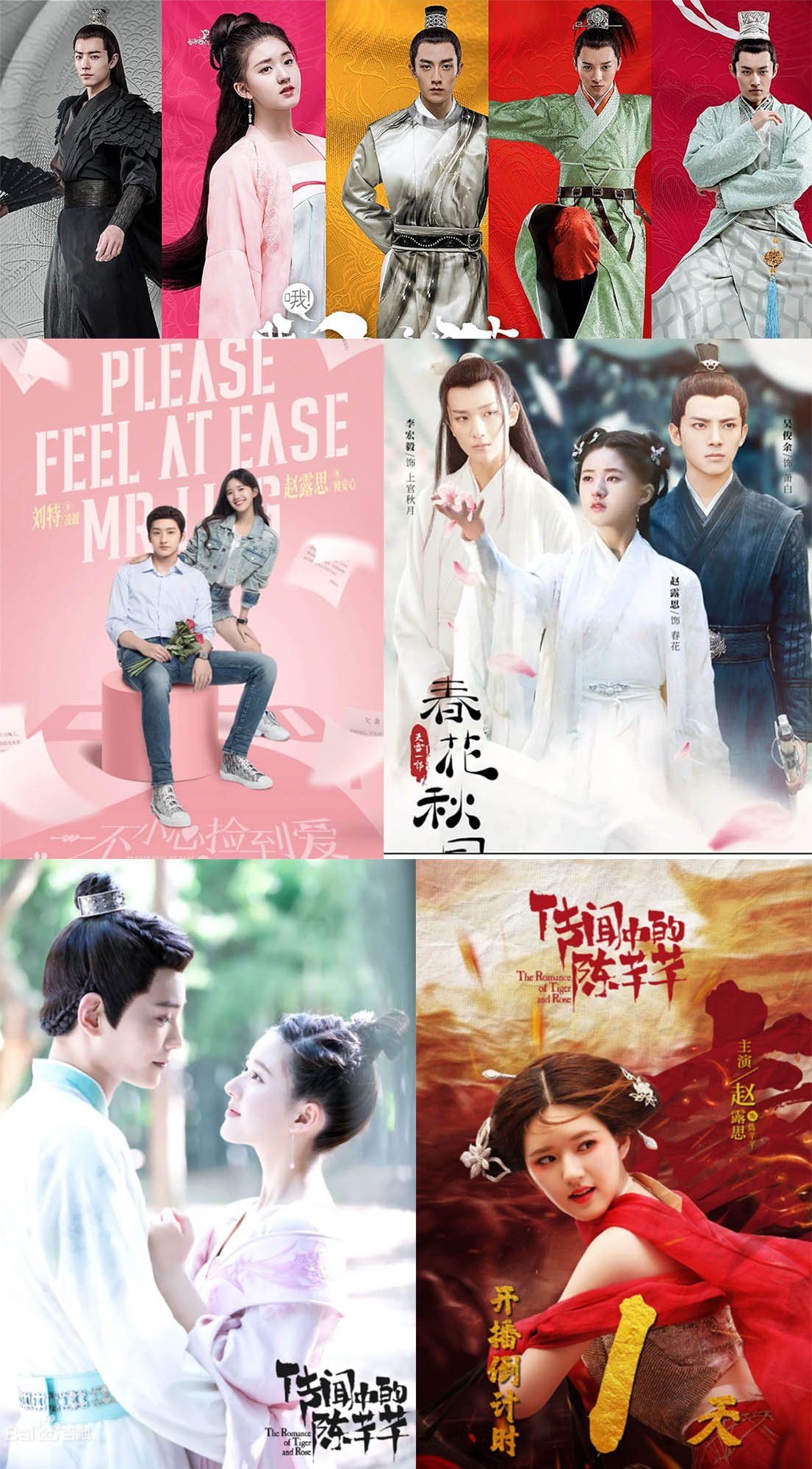
In The Long Ballad, her portrayal of Li Leyan introduced a quieter, more restrained character—one who evolves through adversity. Compared to her earlier direct expressions, this role required her to slow down, allowing emotions to accumulate rather than surface immediately.
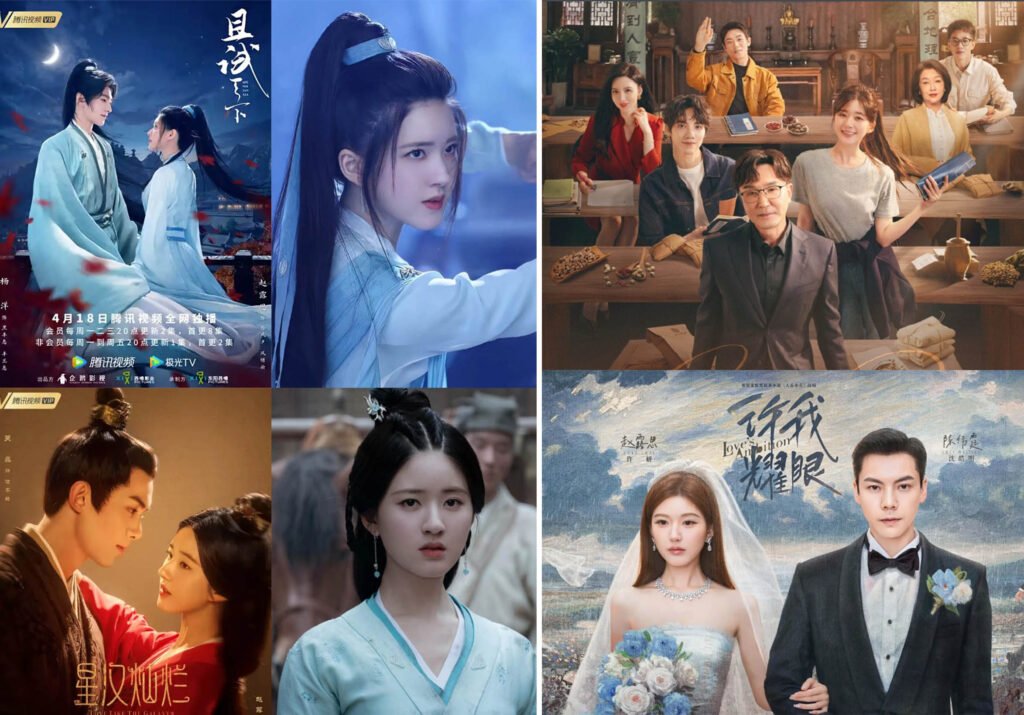
In the same period, she continued to take on roles in Please Feel at Ease Mr. Ling and A Female Student Arrives at the Imperial College, maintaining a bright and lively tone. These roles did not mark a breakthrough, but they reinforced her stability in the audience’s perception.
Gradually, her focus shifted from what she was performing to how she approached each role. The question was no longer simply “what to act,” but “how to enter someone different from herself.”
In Hu Tong, she portrayed Tian Zao, a girl growing up in 1950s Beijing. This character existed within a tangible social environment, connected to neighborhood life and historical context. Unlike her previous roles, Tian Zao was not softened or idealized. She was direct, even rough-edged, driven more by instinct than refinement.
Zhao Lusi retained her natural strengths—quick dialogue, immediate reactions—bringing vitality to the character. Yet when the role demanded deeper emotional weight, particularly in moments of internal conflict or social pressure, her expression often remained on the surface. Emotions arrived quickly, but did not always settle. The character felt alive, but not yet fully grounded.
If Hu Tong placed her in reality, then Who Rules the World pushed her in the opposite direction. As Bai Fengxi, she stepped into a more symbolic role—one that required not only emotion but presence, a sense of authority that existed even in silence.
Here, her adjustments became visible. She slowed her rhythm, stabilized her gaze, and exercised more control over her delivery. The character gained form. Yet her inherent softness remained, making Bai Fengxi more approachable but less sharp than intended.
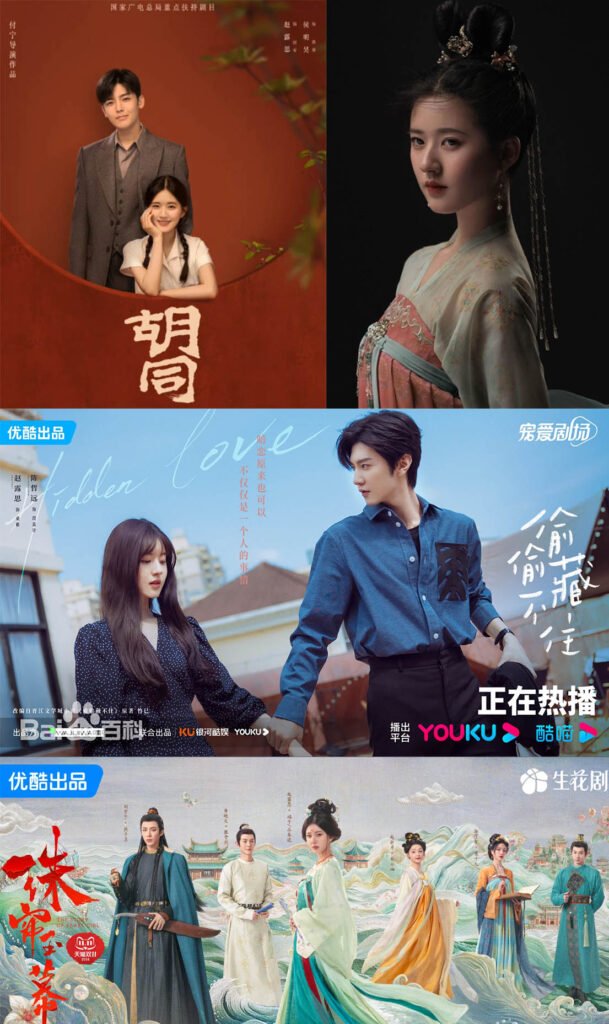
In Love Like the Galaxy, her role as Cheng Shaoshang marked a deeper shift. This character was built not on external traits, but on accumulated emotional experience—stubborn yet vulnerable, longing yet guarded. The complexity lay in time, not in immediate conflict.
In this role, Zhao Lusi began to hold back. She allowed pauses, delayed reactions, and sometimes chose not to fully express emotion. This restraint added depth. Especially in family-related scenes, her portrayal captured the tension between closeness and distance with greater subtlety.
Yet her familiar rhythm did not disappear entirely. In lighter moments, the character returned to her usual cadence, creating a sense of movement between depth and familiarity. The result was layered, but not fully resolved.
Across this period, a clear path emerges: from reality, to presence, to inner emotion. She had reached the threshold, seen further ahead, but had not fully crossed it.
She had begun to change, but the change remained incomplete.
When Stability Softens the Edges
By 2023, Zhao Lusi entered a more stable phase. Her performances became smoother, more controlled, consistently balanced. Yet within this stability, another shift appeared: when everything flows easily, distinctiveness begins to fade.
In Hidden Love, her portrayal of Sang Zhi aligned closely with her established style—delicate, restrained, and gradual. The performance felt natural and easy to accept, but it also offered little new dimension. It was refined, but not expanded.
In Gen Z, as Sun Toutou, she stepped into a more grounded environment. The character had room for growth, yet the expression remained within her familiar range—fluid, but less defined by edges.
In The Last Immortal, her portrayal of A Yin returned to a larger narrative framework. While the character experienced changes, her approach remained controlled, ensuring coherence but limiting emotional intensity.
Overall, this stage reflects a pattern where stability outweighs transformation. Her technique matured, but her individuality became more restrained. It is not that she lacks the ability to break through, but that she continues to remain within a safe boundary.
And when that boundary persists, characters become complete, but less sharp; performances become smooth, but less surprising.
Between Familiarity and Change
Looking back, what stands out in Zhao Lusi’s journey is not simply where she has arrived, but what she has experienced along the way. She began as a light presence, gradually became familiar, and then continued to move—quietly—toward different directions.
There were moments when this path slowed. Physical fatigue, emotional fluctuations, and the need to pause altered her rhythm. Invisible pressures brought her to a standstill for a time.
Yet perhaps it is within that pause that something quieter began to grow: a deeper understanding of herself, a clearer sense of boundaries, and a more careful approach to the future.
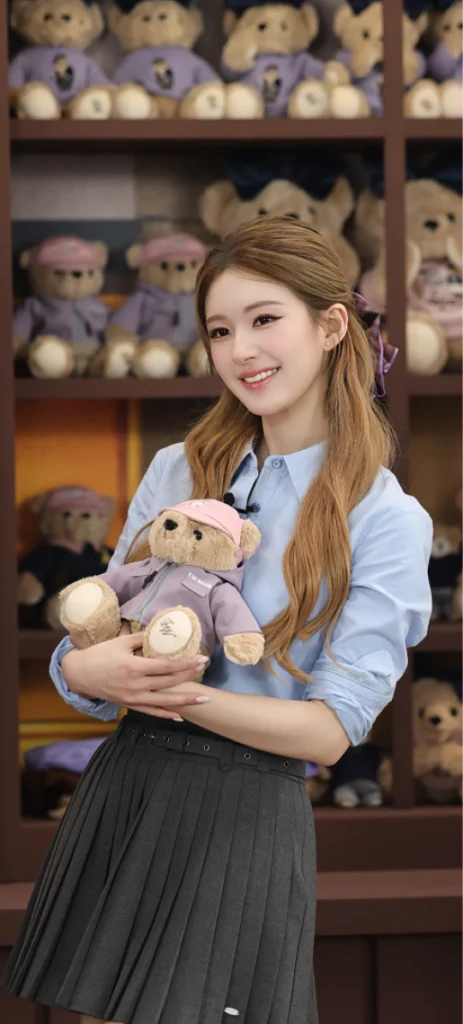
When she returned to public view, she did not appear entirely different. She remained recognizable. But in subtle ways, there were changes—her rhythm slightly slower, her expression more restrained, as if she were approaching herself from another angle.
Music, stage work, and more personal forms of expression may not yet define a clear direction, but they suggest an extension beyond acting—an attempt not only to portray, but to express.
At this moment, Zhao Lusi does not stand at a finished point.
She is still on the way.
And perhaps it is precisely this sense of incompletion that keeps her possibilities open—not through a single dramatic shift, but through the quiet chance that one day, she will simply go a little deeper.

