In recent years, a new generation of actresses—often grouped as post-2000 and post-2005—has steadily risen within the Chinese entertainment industry. Names such as Liu Haocun, Zhao Jinmai, Zhang Zifeng, Wen Qi, Li Gengxi, Zhuang Dafei, Li Wanta, Wang Yinglu, Bao Shangen, Sun Zhenni, Zhao Qing, Shen Yujie, Xiang Hanzhi, Deng Enxi, Huangyang Tiantian, and Ai Mi are increasingly visible across both television and film. As their projects accumulate and exposure grows, discussions around who truly possesses “drama-carrying power” have become a central topic in the current industry landscape.
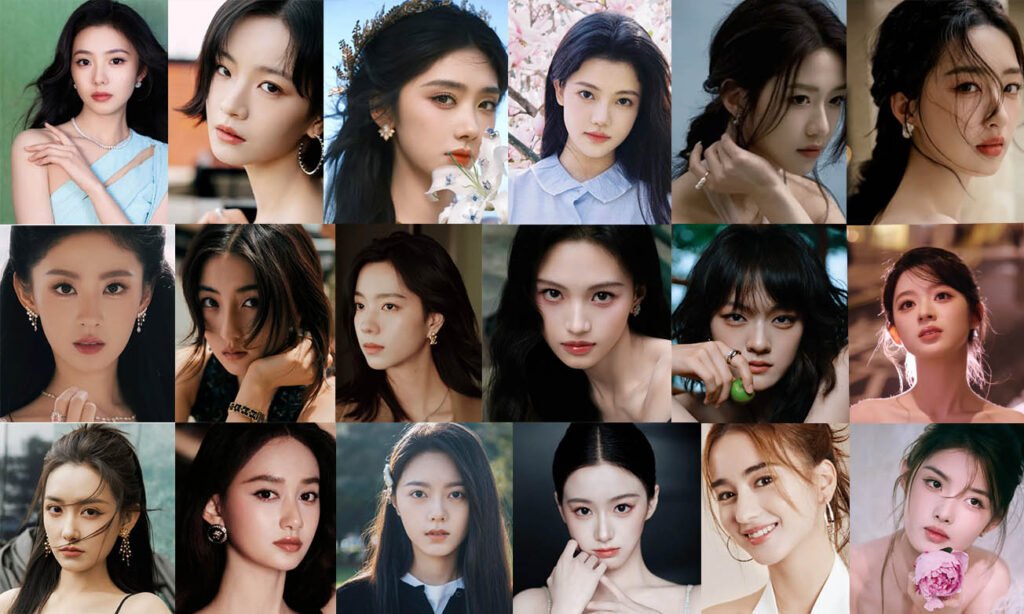
Looking at recent years’ released works, it becomes clear that this generation does not follow a single trajectory but instead branches into multiple development paths. Liu Haocun, for instance, has maintained a relatively concentrated leading-role trajectory between 2023 and 2025, headlining projects such as Falling into Our Love (陷入我们的热恋) and Tuo Gui (脱轨), while also participating in Qi Gen Xin Jian (七根心简). Her positioning leans toward central narrative roles, reflecting a strategy that prioritizes visibility and lead status.
In contrast, Li Gengxi has adopted a more diversified approach. From Sword Snow Stride (雪中悍刀行) to Chao Yue (超越) and Bu Tao Hao De Yong Qi (不讨好的勇气), her portfolio spans multiple genres and role hierarchies. She moves fluidly between leading and supporting positions within large-scale productions, suggesting a focus on breadth and adaptability rather than immediate dominance.
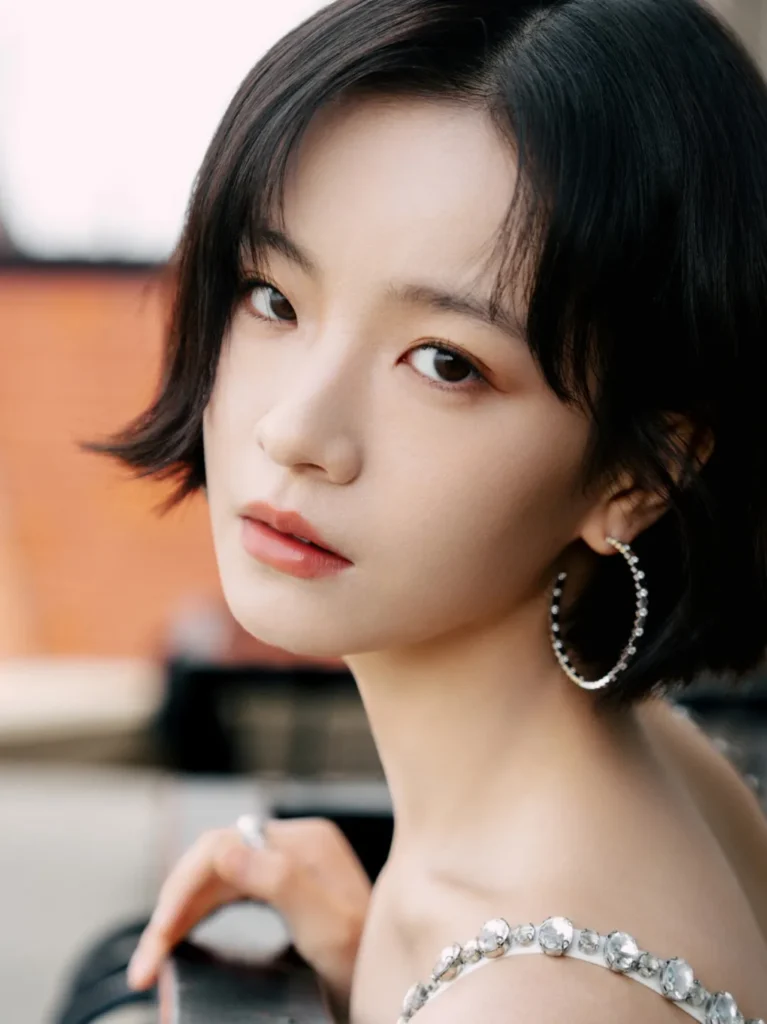
Among this cohort, Zhao Jinmai stands out for her consistency and platform performance. Works like Reset (开端), My Huckleberry Friends 2 (少年派2), Du Hua Nian (度华年), and Jiao Yang Si Wo (骄阳似我) have maintained relatively high visibility and audience engagement. Her ability to balance leading roles with strong secondary positions across different genres indicates a stable and scalable career model, one that aligns closely with current platform-driven evaluation metrics.
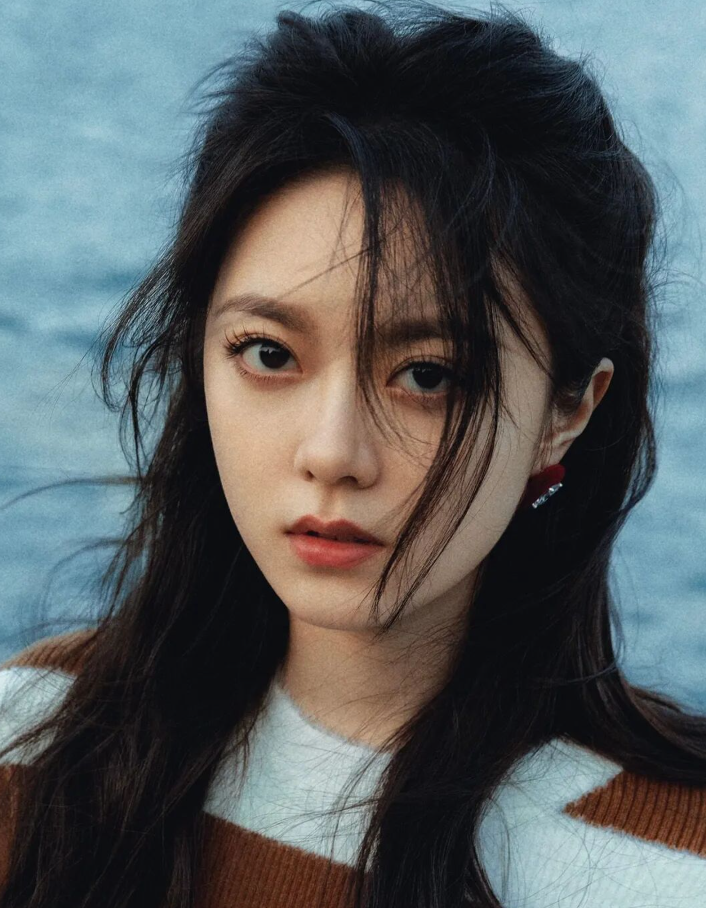
At the same time, actresses such as Wang Yinglu, Sun Zhenni, and Zhao Qing represent the “ascending tier.” Their strategies emphasize frequency and gradual elevation. Wang Yinglu, through projects like The Outcast (异人之下), has built recognizable screen presence while continuing to expand her project list. Similarly, Sun Zhenni and Zhao Qing have been actively exploring both costume and modern romance genres, moving incrementally toward more prominent roles and broader audience recognition.
Zhuang Dafei occupies a relatively stable position within youth-oriented dramas, with works such as Bai Ri Meng Wo (白日梦我) and Binary Love (二进制恋爱) reinforcing her presence in that segment. At the same time, her attempts to branch into professional genres like legal and medical dramas suggest a deliberate effort to expand beyond typecasting.
A different path is taken by Zhang Zifeng and Wen Qi, whose trajectories lean toward performance-driven and film-oriented projects. Zhang Zifeng, with works like Home Coming Daughter (回来的女儿) and The Heart of Genius (天才基本法), maintains a steady output while preserving a focus on character depth. Wen Qi, meanwhile, remains closely associated with auteur cinema and selective television appearances, prioritizing artistic expression over quantity. Their development reflects a slower but potentially more durable model centered on critical recognition rather than immediate popularity.
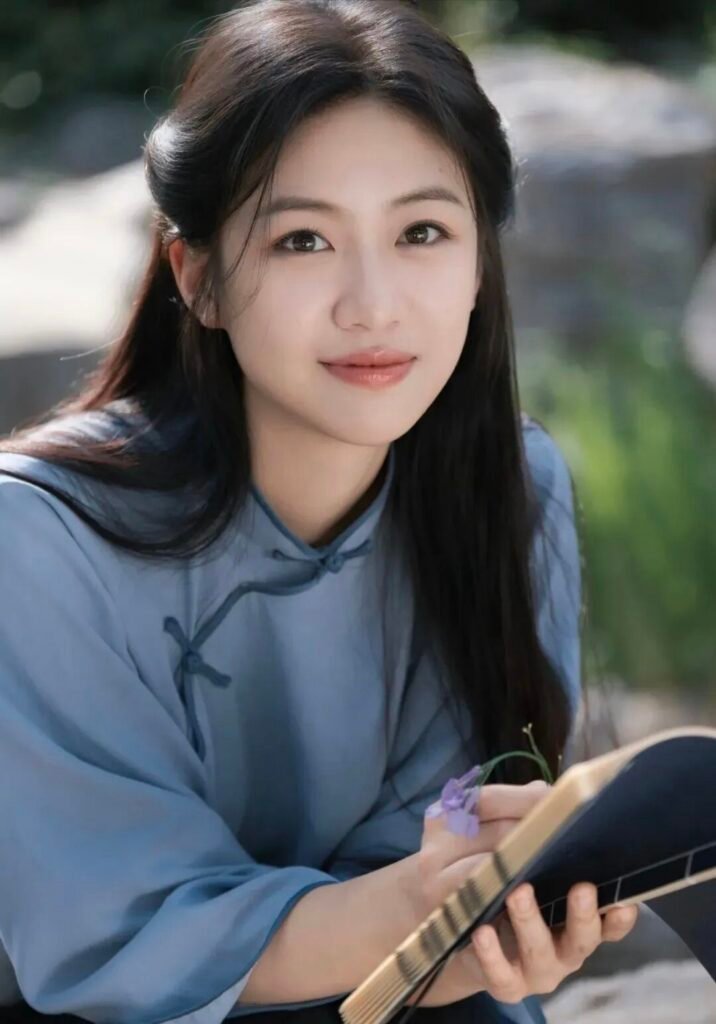
Another group—including Bao Shangen, Xiang Hanzhi, and Shen Yujie—is characterized by high participation across multiple genres. Their frequent appearances in costume dramas, modern romance, and suspense projects indicate a strategy of rapid accumulation, building familiarity through volume. Meanwhile, younger entrants such as Li Wanta, Deng Enxi, Huangyang Tiantian, and Ai Mi are still in the process of establishing themselves, gradually transitioning from supporting roles to more central positions within higher-profile productions.
Looking ahead to 2026, the overall trend among these actresses can be described as “strategic diversification with strong reserves.” Liu Haocun, Li Gengxi, and Wang Yinglu are expanding into period and suspense genres in an attempt to break away from earlier typecasting. Zhao Jinmai, Bao Shangen, and Zhuang Dafei continue to move horizontally across genres, balancing urban, historical, and youth narratives. Meanwhile, Zhang Zifeng and Wen Qi remain committed to quality-driven projects, reinforcing their distinct positioning within the industry. At the same time, younger actresses are increasingly entering mainstream genres such as costume romance, wuxia, and suspense, signaling a continuous influx of new talent.
From a structural perspective, the concept of “drama-carrying power” is no longer defined solely by lead billing or popularity metrics. Instead, it emerges from a combination of factors: project scale, platform support, role suitability, narrative centrality, and audience reception. An actress leading multiple projects does not automatically guarantee sustained influence, just as participation in high-quality ensemble works can also contribute to long-term recognition.
In this evolving landscape, the strengths and limitations of each actress are becoming more visible. Some excel in consistency and platform performance, others in genre adaptability, and still others in artistic credibility. Whether any individual can ultimately establish stable “drama-carrying power” will depend not only on current momentum but also on the ability to navigate future project choices and audience expectations.
For viewers, however, this diversity may be the most significant outcome. Rather than converging toward a single model of success, the post-2000 and post-2005 generation offers multiple entry points into contemporary storytelling. Their coexistence reflects a broader shift in the industry—one where variety, rather than uniformity, defines the new era.

