Ju Jingyi’s 30th birthday was expected to mark a new chapter in her career. Instead, it became the focal point of a highly publicized contract dispute that has drawn sustained attention across the entertainment industry.

After Ju Jingyi’s studio announced that her original contract had expired, Siba Media responded by stating that the partnership remained valid under a supplementary agreement signed in 2018, extending the term until 2033. The authenticity and legal validity of this agreement soon became the core of the conflict.

On the surface, the dispute appears to center on whether the signature on the document is genuine. However, from an industry perspective, it reflects a deeper struggle between an artist’s pursuit of autonomy and a management company’s desire to retain long-term control.
According to publicly available information, court-appointed forensic institutions were twice unable to conclusively determine the authenticity of the signature. With legal proceedings temporarily stalled, the confrontation gradually shifted into the public domain. Siba Media disclosed figures related to its financial investment in Ju Jingyi, including career planning, living arrangements, and income settlements. Ju Jingyi’s side, meanwhile, questioned the transparency of revenue distribution and argued that the artist’s actual earnings did not align with her market value.
As statements from both sides intensified, the dispute expanded beyond a standard contract termination disagreement.
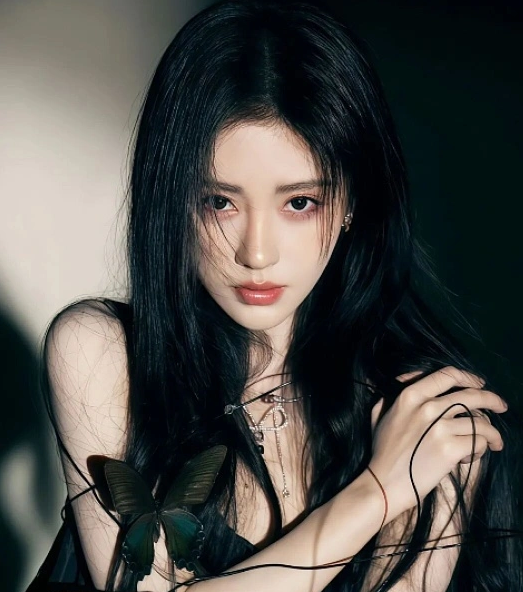
Looking back, Ju Jingyi debuted in 2013 as a member of SNH48 during a period of rapid growth for idol-based talent systems in China. Her career development followed a typical “cultivation model,” in which the company provided resources and exposure while the artist built popularity through performances and later transitioned into acting. In its early stages, this model benefited both parties.
However, once an artist evolves from a group-based idol into an independently valuable brand, the limitations of long-term binding contracts become increasingly evident. At this stage, demands for decision-making power, transparency, and flexibility naturally increase.
In the entertainment industry, turning 30 often represents a critical threshold for female artists. It signals a shift toward self-directed career planning and broader professional choices. Ju Jingyi’s decision to establish her own studio aligns with a path commonly taken by artists at a similar stage. Yet this move also challenged the company’s expectation of continued exclusivity over a key commercial asset.
The situation escalated further when Siba Media publicly mentioned the possibility of reporting alleged economic violations. Regardless of whether such actions proceed, the nature of the dispute was fundamentally altered, introducing reputational and legal risks that extend beyond civil contract law.

From a broader standpoint, this case highlights persistent structural issues within the entertainment management system, including extended contract terms, supplementary agreement mechanisms, opaque accounting practices, and imbalanced bargaining power.
Whatever the eventual outcome, the dispute between Ju Jingyi and Siba Media is likely to be remembered as a significant reference point. It underscores the need for a more adaptable and transparent approach to artist management—one that evolves alongside an artist’s growth and remains grounded in contractual fairness and mutual respect.

