In the entertainment industry, a “baby face” is often seen as both an asset and a constraint. While it brings instant likability and high recognizability, it can also narrow casting options as an actress grows older. Ultimately, however, it is not facial features but performance depth and role choices that determine longevity. A look at several well-known baby-faced actresses reveals how many have expanded their screen identities far beyond youthful archetypes.
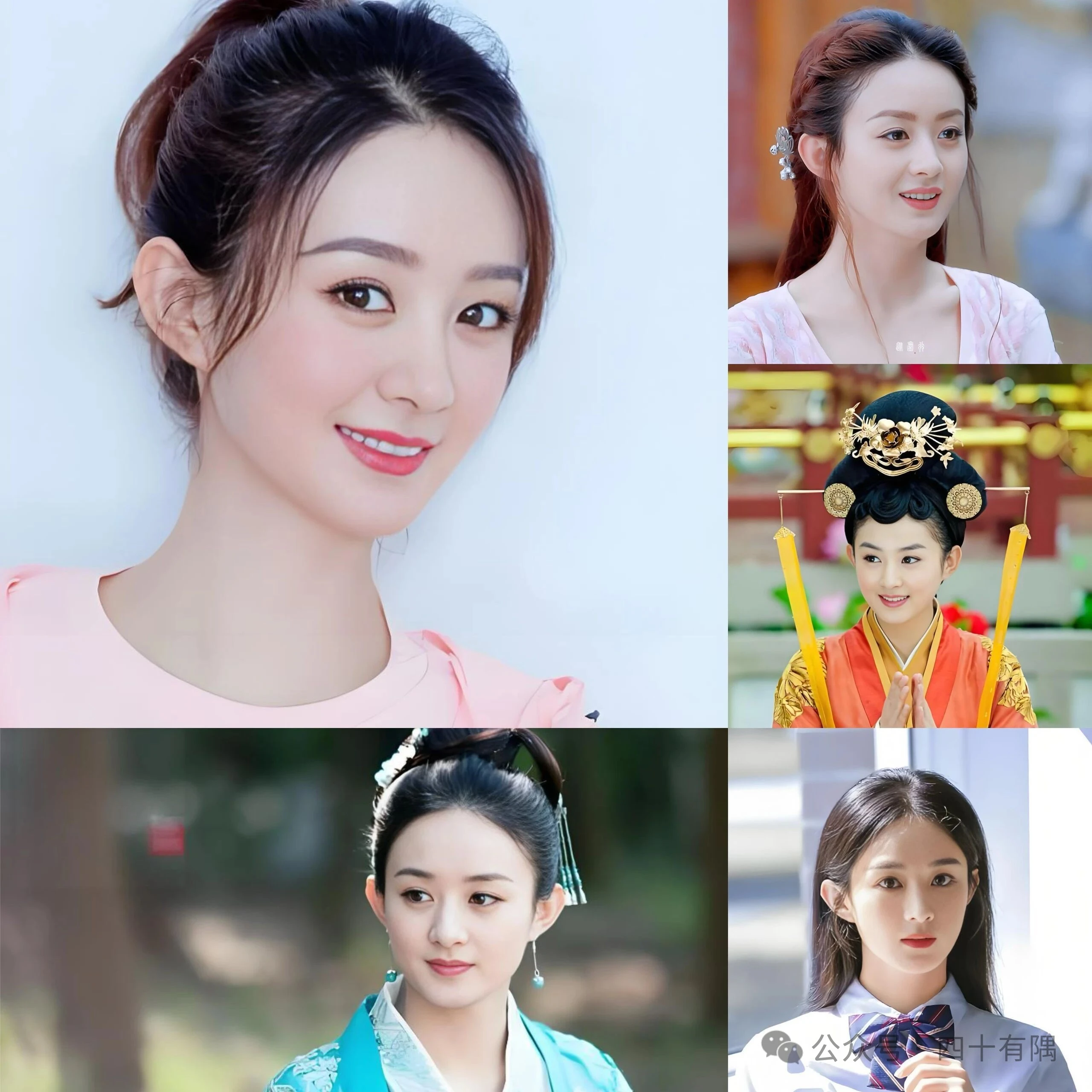
Zhao Liying stands out as a prime example. Her round face initially set her apart, but it was her ability to carry emotionally demanding roles that solidified her position. From the dramatic transformation in The Journey of Flower, to the restrained intelligence of Sheng Minglan in The Story of Minglan, and the commanding presence she brought to Wild Bloom, Zhao has consistently proven that a youthful appearance does not limit dramatic range.
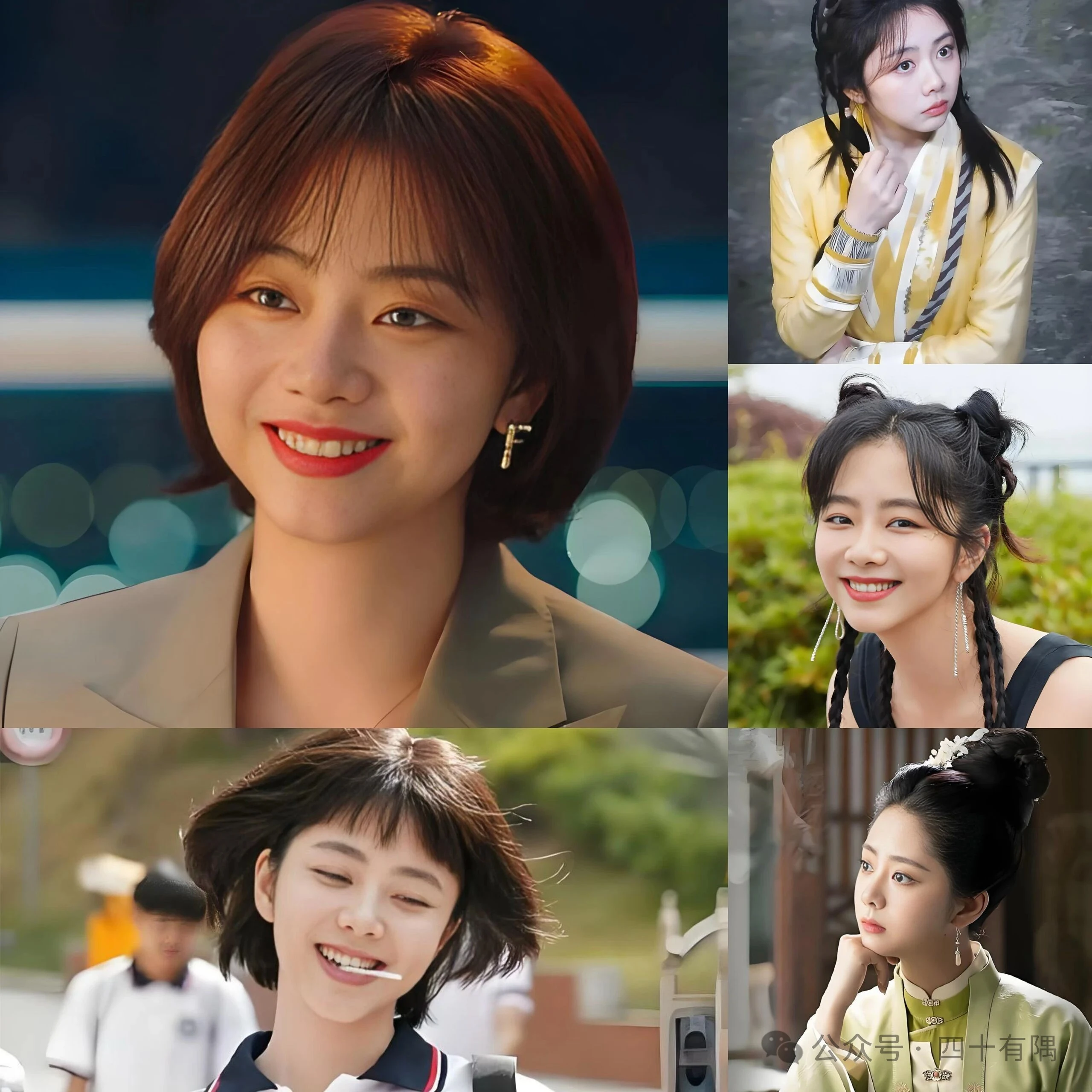
Tan Songyun represents a different trajectory, maintaining a natural sense of youth well into her thirties. Her performances in With You, Go Ahead, and Flight to You demonstrate a steady adaptability across age-appropriate roles, suggesting that “girl-next-door” qualities can evolve rather than stagnate when matched with the right characters.
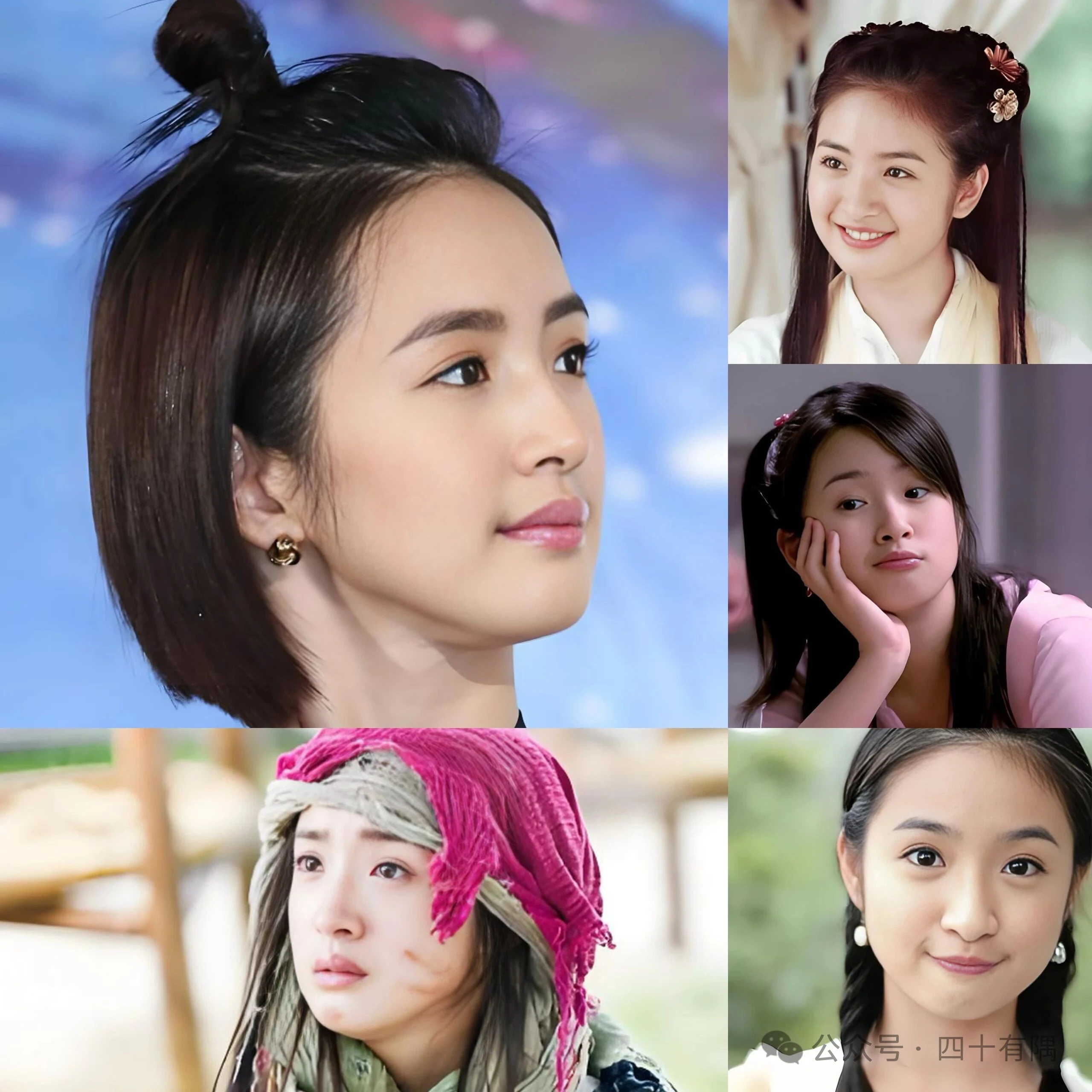
Ariel Lin is often remembered as a classic idol-drama baby face, yet her career arc shows clear growth. While her early roles defined a generation, her portrayal of Cheng Youqing in In Time with You marked a shift toward mature, emotionally nuanced storytelling, effectively breaking the stereotype associated with her appearance.
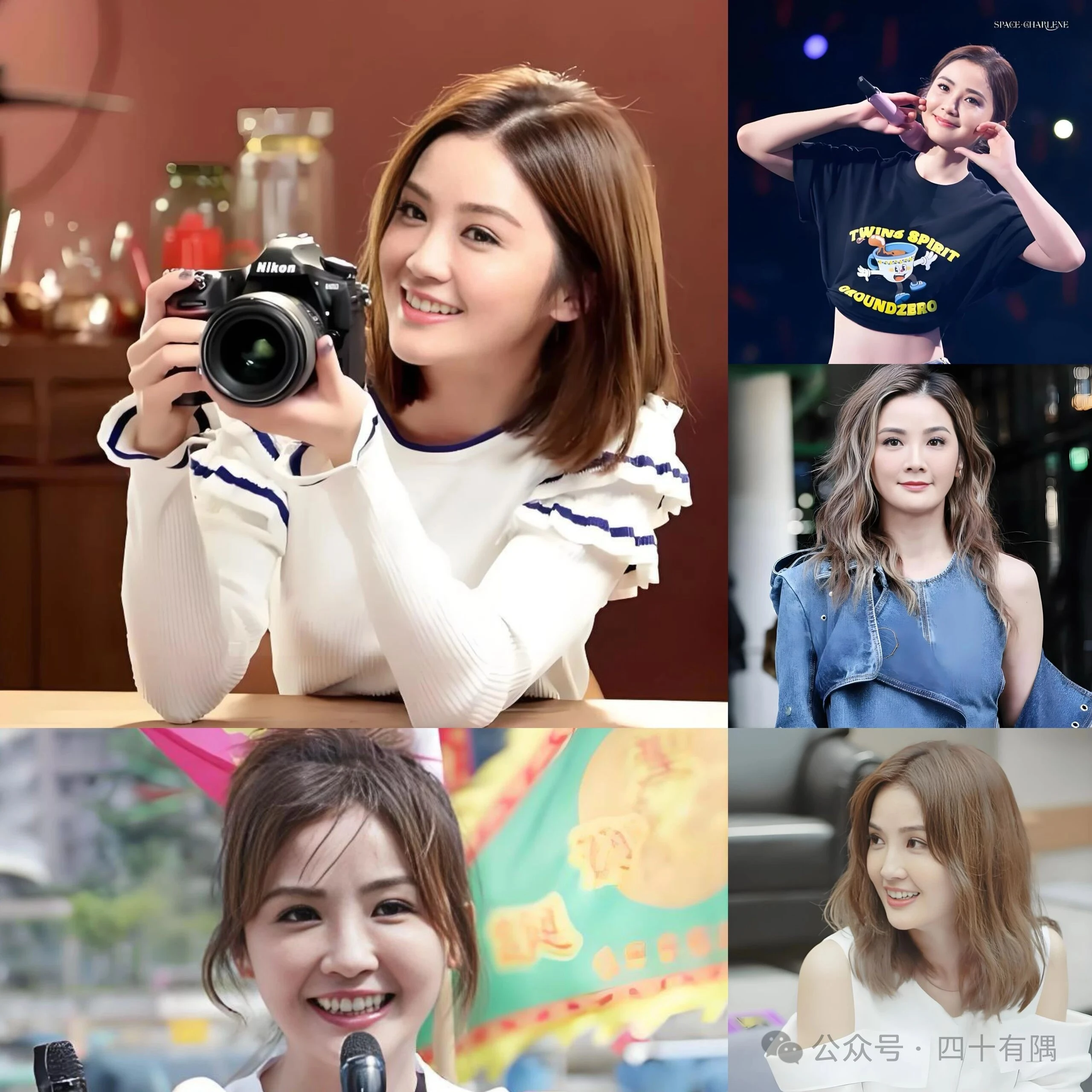
Charlene Choi, known widely through the Twins duo, has balanced a sweet public image with increasingly challenging acting choices. Her work in films such as Prostitute revealed a willingness to step beyond comfort zones, adding complexity to her screen persona.
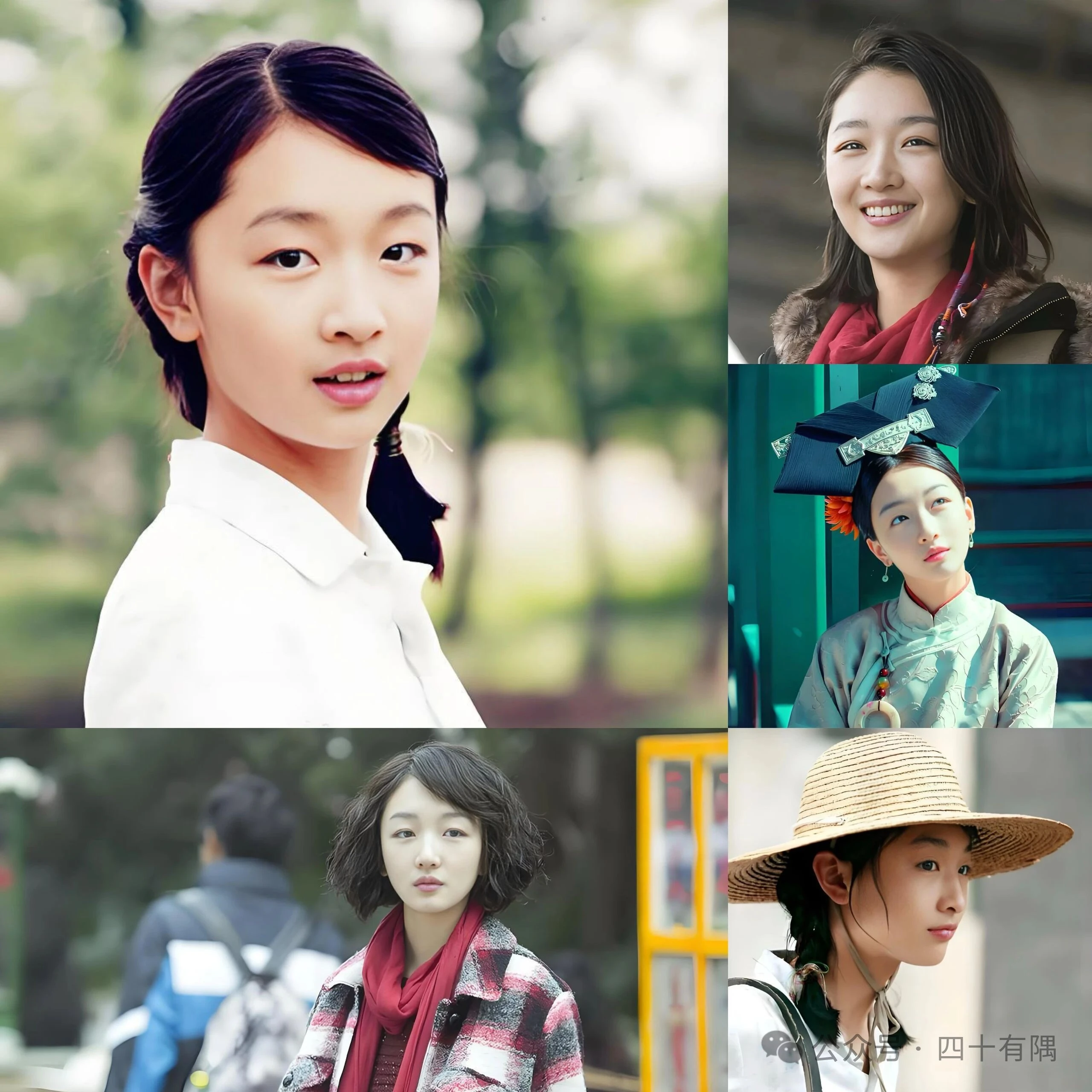
Zhou Dongyu offers a more unconventional interpretation of the baby face. Her small, youthful features carry an inherent coolness, which has served her well in films like Soul Mate and Better Days. Through subtle yet intense performances, she has redefined what youthful appearance can convey.
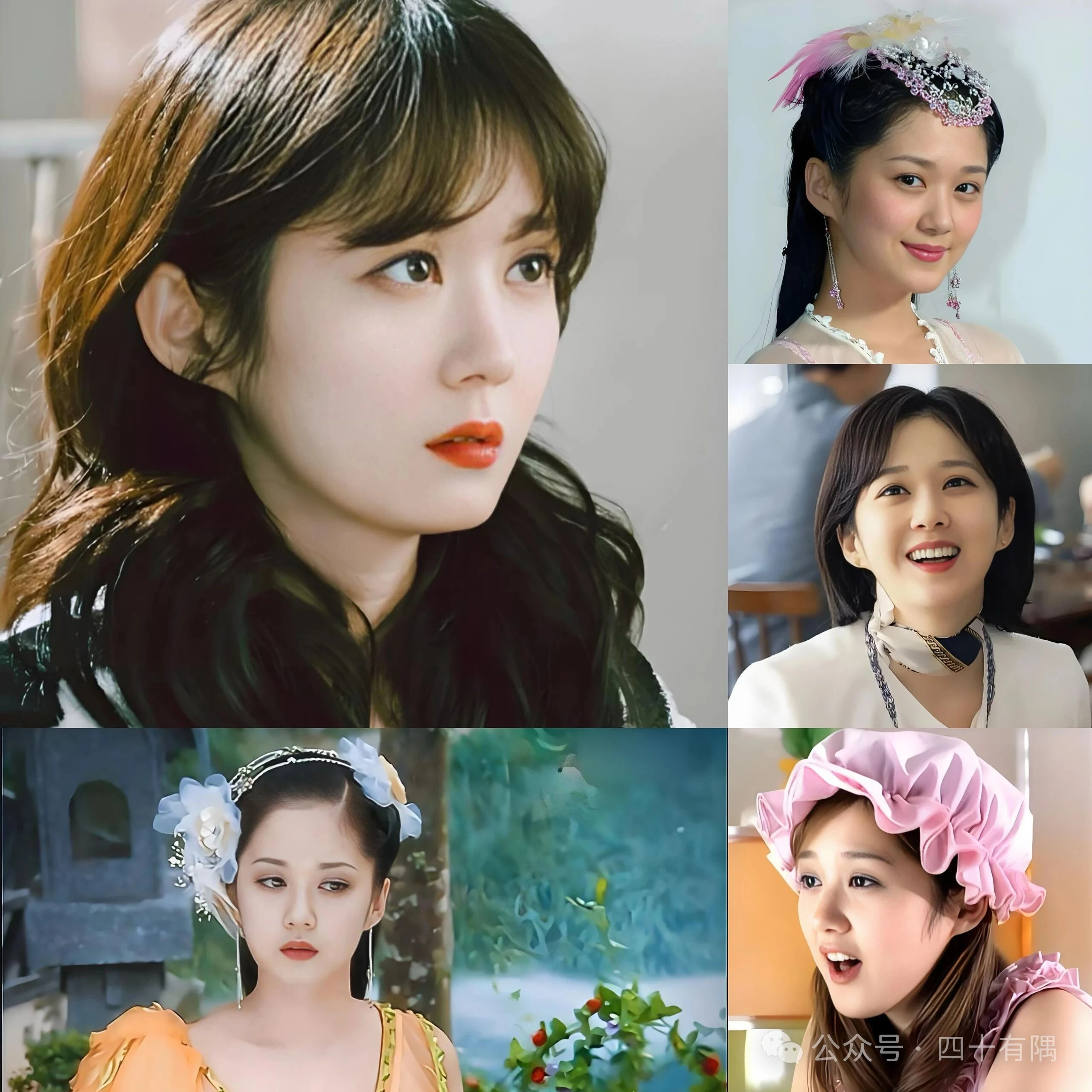
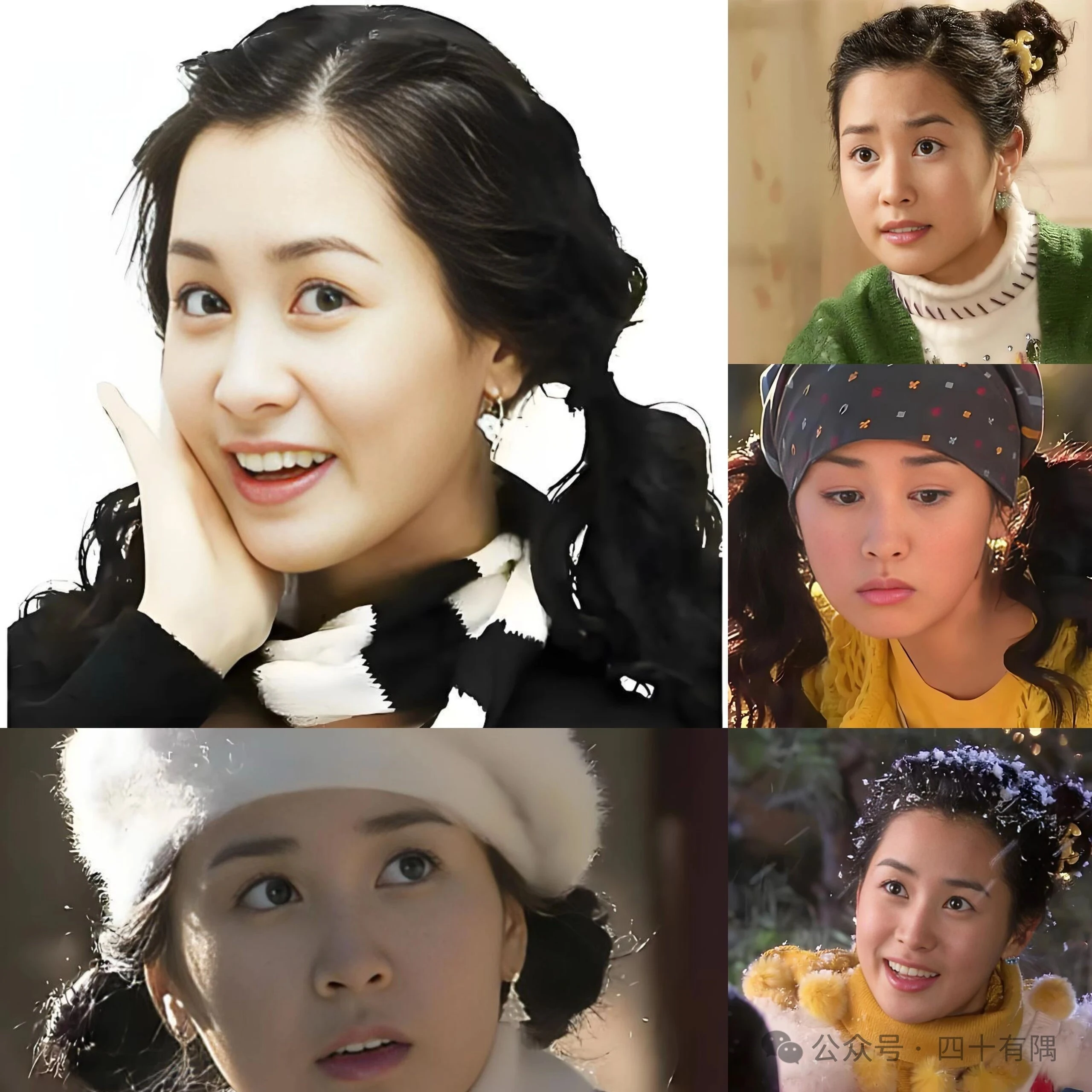
In the Korean context, Jang Nara and Lee Da-hae represent early icons of the baby-faced aesthetic. Jang Nara’s bright, lively roles helped her gain pan-Asian popularity, while Lee Da-hae’s charismatic performance in My Girl remains a formative memory for many viewers. Their careers highlight how youthful visuals resonate across cultures when paired with strong character appeal.
Ultimately, a baby face is not a limitation but a starting point. The true distinction lies in whether an actress can continue reshaping audience perception over time. Which one resonates with you most may reflect how you view the balance between youthfulness and growth on screen.

