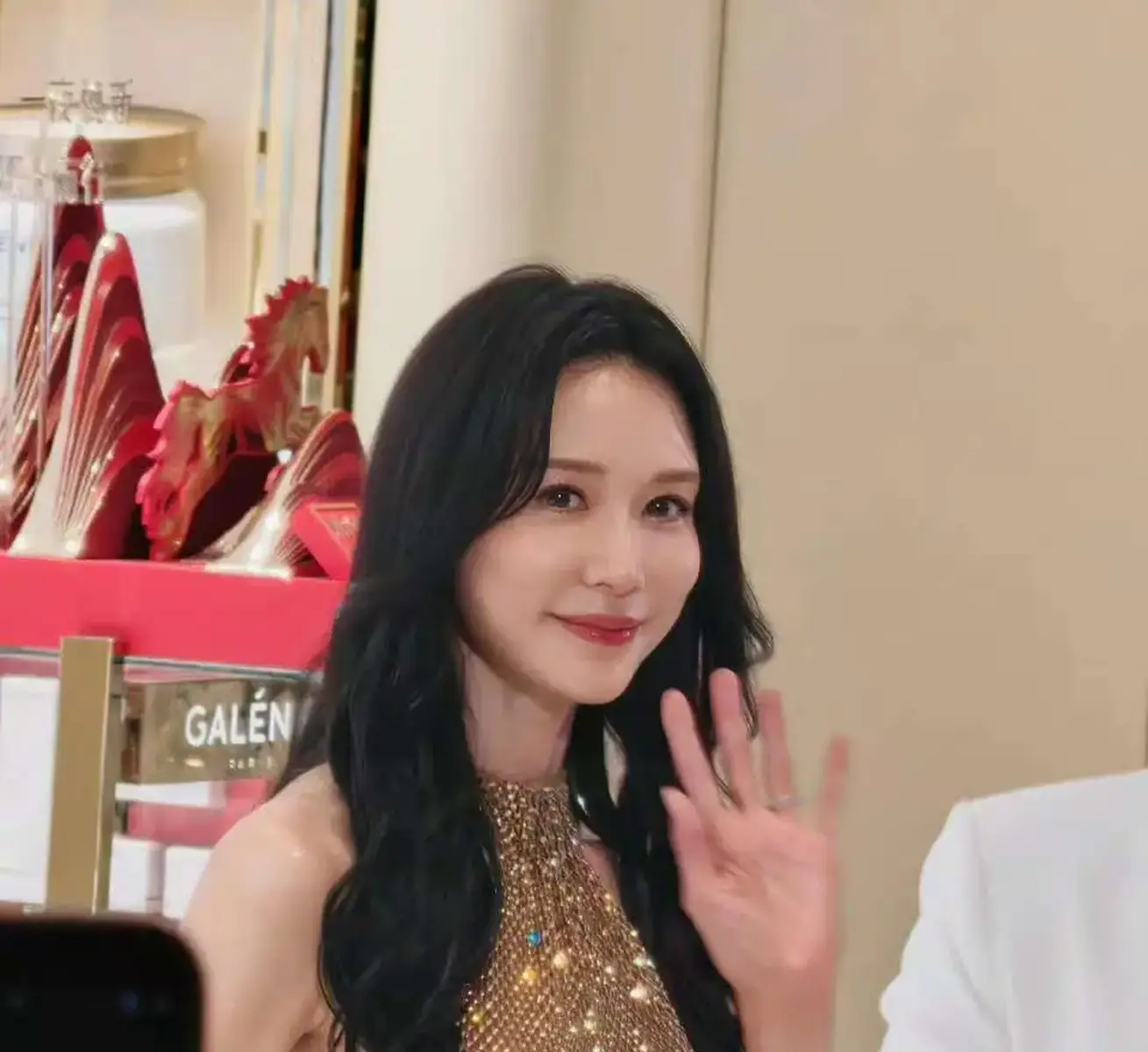
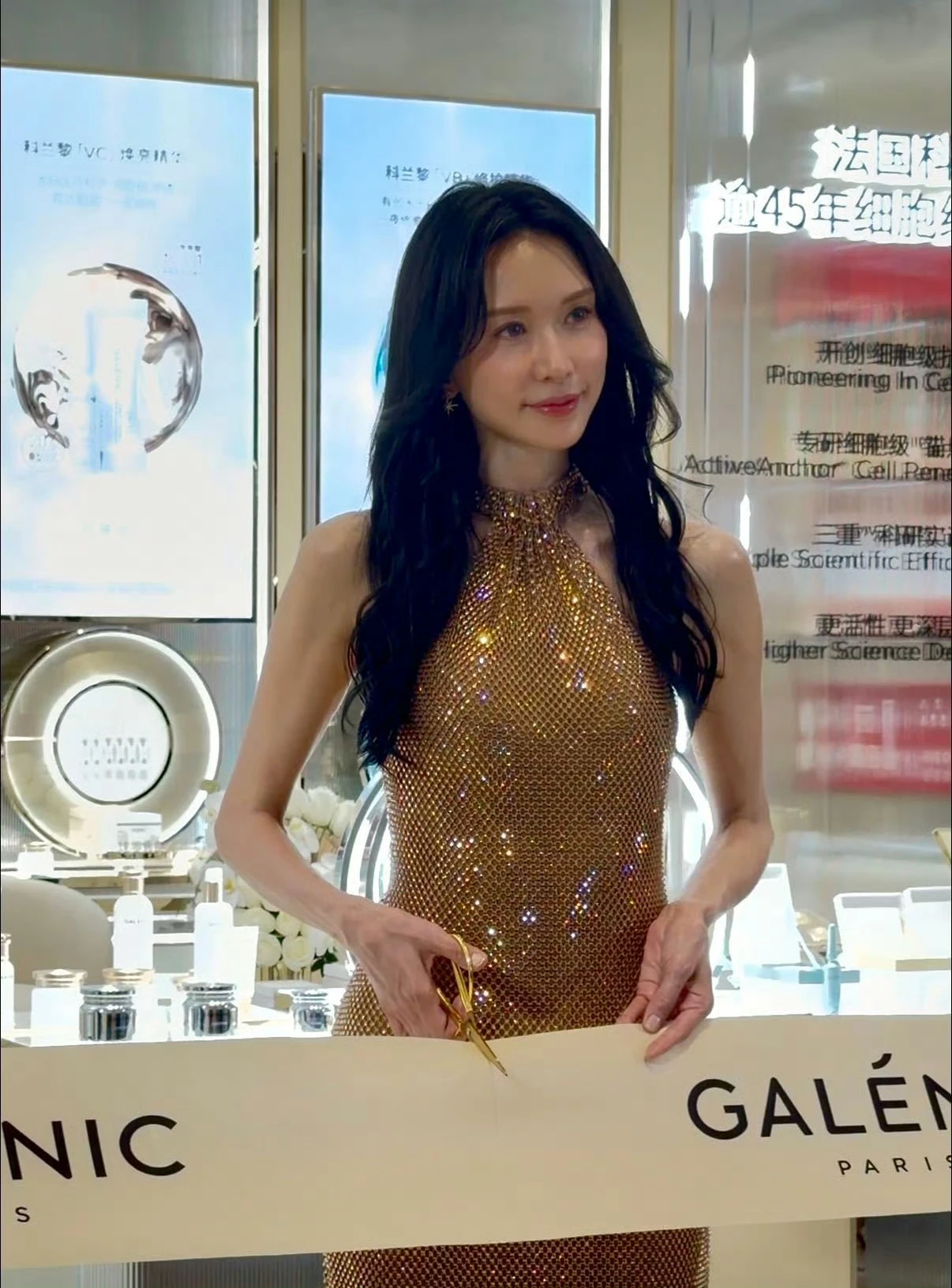
Lin Chi-ling appeared at a recent brand event wearing a gold sequined halter-neck dress. The light caught the fabric gently, scattering across her silhouette in a way that felt restrained rather than performative. She paused before the cameras, lifted her gaze, and smiled—softly, almost instinctively.
It was not a moment designed to astonish.
And yet, it lingered.
Because she was still beautiful.
Not in the way that once demanded collective awe, not in the way headlines used to proclaim without hesitation. This was a quieter beauty—one shaped by years rather than youth, by experience rather than perfection. It did not insist on being seen, but it invited reflection.
Time has a way of doing that.
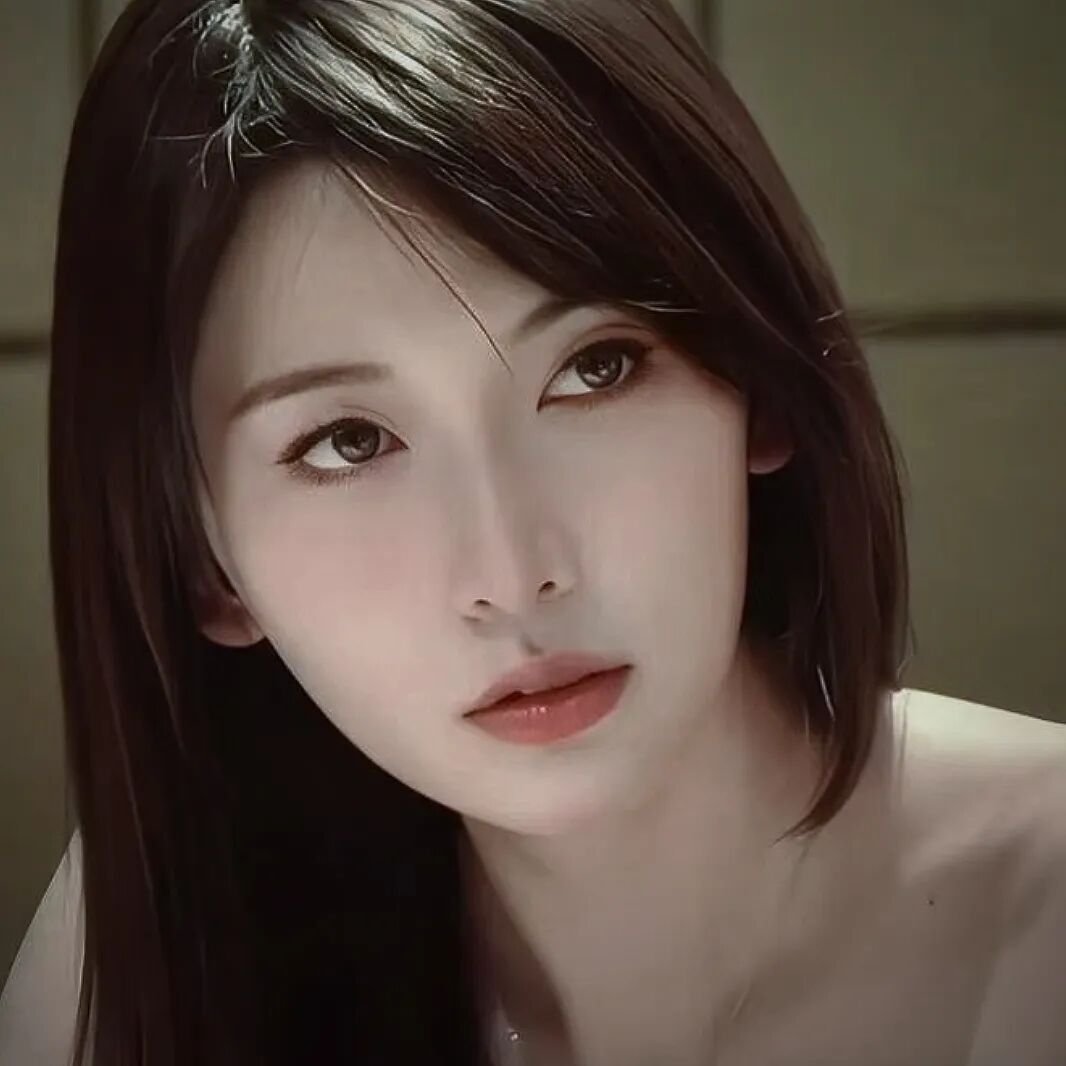
There was a period when Lin Chi-ling’s presence felt nearly unreal. Her rise to fame came later than most—she was already thirty when she became a household name in 2004—but when it arrived, it did so decisively. In an industry obsessed with freshness, she offered something different: warmth, composure, an elegance that felt unthreatening yet unforgettable.
She quickly became more than an actress or model. She became an idea.
“The First Beauty of Taiwan” was not merely a title—it was an expectation. One that required her to remain endlessly gentle, endlessly graceful, endlessly accommodating. Her smile became part of the public landscape. Her voice, soft and high, was treated as an extension of her persona rather than a choice.
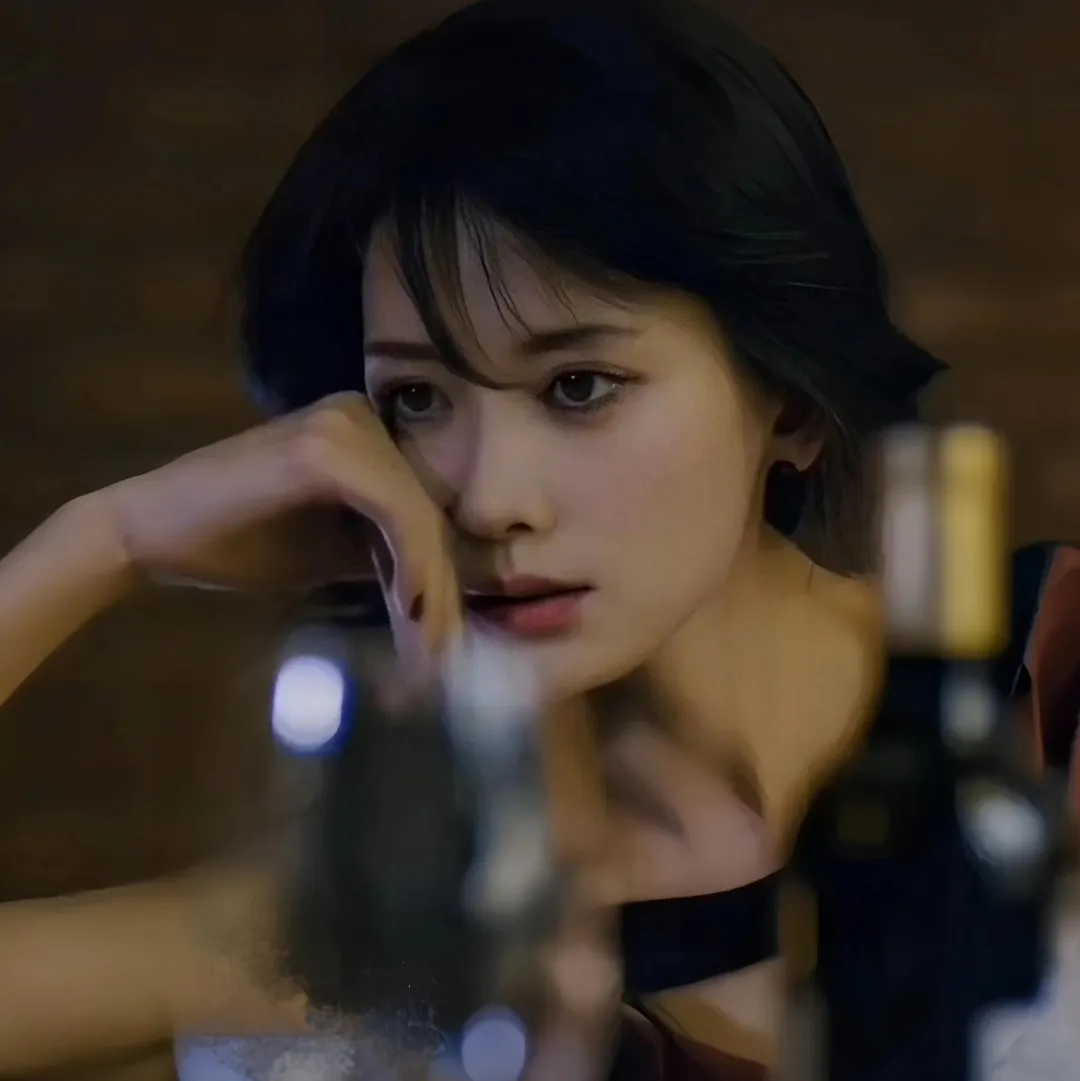
And so she learned how to hold herself accordingly.
Behind the scenes, however, the cost of that image accumulated quietly. A former staff member once recalled a late night after filming, when fans outside her van continued calling her name with unwavering enthusiasm. Inside, she gazed out the window and said, almost to herself, that she wished she could eat a full bowl of braised pork rice without calculating calories.
It was a small confession.
And somehow, a revealing one.
In 2008, a riding accident left her with six broken ribs. Recovery was slow and painful, yet even then, privacy proved elusive. Cameras waited. Speculation followed. The public appetite for her vulnerability was relentless.
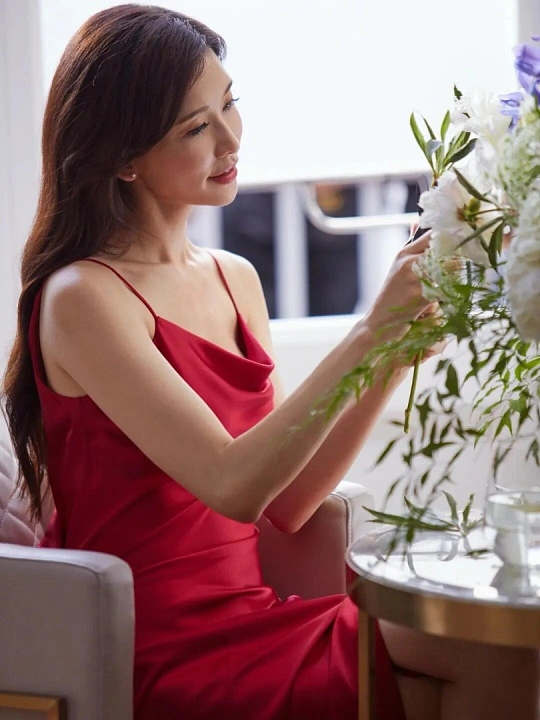
She did not dramatize the moment. She did not perform suffering. She simply asked for the curtains to be drawn.
Later, it became known that for a long time afterward, the sound of horses unsettled her deeply. Yet in interviews, her response remained unchanged—optimistic, composed, reassuring. She had long mastered the art of endurance.
If there was a true shift in her public narrative, it came in 2019, when she announced her marriage to Japanese artist Akira Kurosawa. The announcement was sudden, unembellished, and resolute. The reaction was anything but.
Public opinion fractured almost instantly. For some, it was disappointment; for others, betrayal. The intensity of the backlash revealed how deeply her image had been entwined with other people’s expectations.
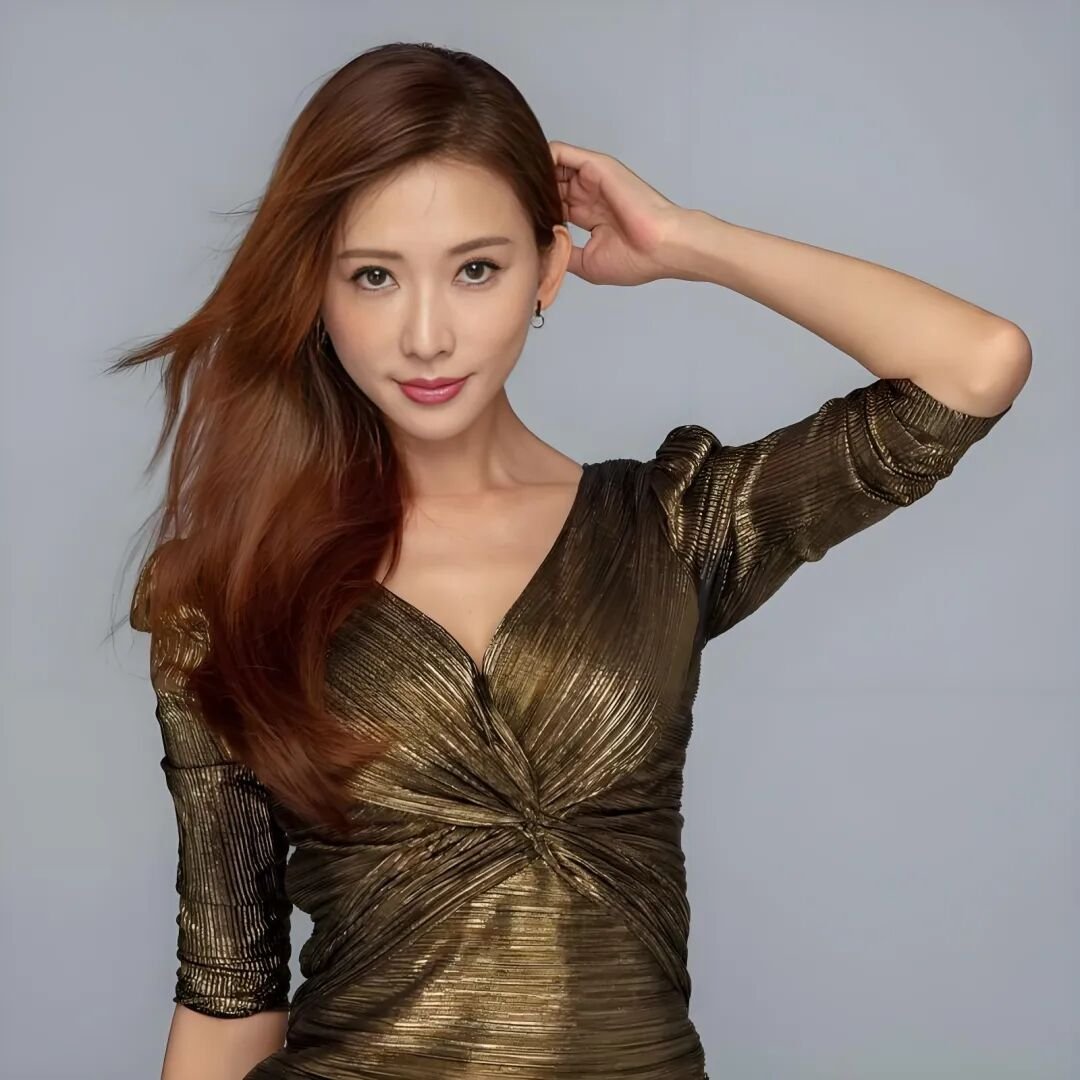
She responded once, with a handwritten note expressing gratitude and resolve. After that, she withdrew, allowing silence to do what explanations could not.
When she gradually returned to public view years later, she did so as a mother. The images were softer now—less carefully constructed, more intimate. She appeared thinner, visibly tired at times, her expressions gentler but unguarded.
And once again, commentary followed.
Speculation about her happiness.
Judgments about her choices.
Assumptions layered upon appearances.
Yet what was often missing from these conversations was her own voice—not the public one, but the private intention behind her life decisions.
Lin Chi-ling entered the industry late and succeeded fully aware of how fleeting admiration could be. For over a decade, she upheld an image that others found comforting and beautiful. In doing so, she gave much of herself to a role that was never entirely hers.
When she finally chose a different rhythm for her life—one shaped by partnership, family, and domestic reality—it was not a dramatic rebellion. It was a quiet redirection.
Recent interviews and candid moments suggest a woman who no longer seeks to preserve illusion. She speaks of parenting with honesty: the exhaustion, the chaos, the small joys captured imperfectly on a phone screen. Her voice remains gentle, but it carries texture now—a trace of wear that feels earned rather than hidden.
The fine lines around her eyes are visible. So is something else: ease.
The kind that comes not from perfection, but from acceptance.
This is not a story of loss, though it is often framed that way. It is a story of transition—from symbol to individual, from projection to presence. From being endlessly observed to simply living.
Once, Lin Chi-ling represented an unreachable ideal.
Now, she represents something far rarer: a woman allowing herself to age, change, and exist beyond the roles assigned to her.
In the golden light of that recent appearance, she did not look like someone fading. She looked like someone who had arrived—at a place where beauty is no longer an obligation, but a byproduct of a life fully inhabited.
And perhaps that is the most difficult transformation for the public to accept.
Not that a goddess becomes ordinary.
But that a woman chooses to be real.

