In today’s entertainment industry, idol romance is no longer a purely personal matter. Instead, it has become a professional variable that requires constant risk assessment. Dating is possible, but acknowledging it publicly is another story. For many young stars, even being photographed with someone can trigger calculations about timing, image, and potential fallout.
The recent controversy sparked by influencer Si Xiaodi brought this issue back into the spotlight. Multiple popular actors were named, alongside couples whose relationships ranged from confirmed to speculative. Yet before the discussion could fully unfold, Liu Yinuo addressed her rumored relationship with Tan Jianci in a single, decisive sentence: “We were together. We’ve broken up.” From exposure to conclusion, the entire cycle lasted less than 24 hours.
This approach—quick acknowledgment followed by immediate closure—has been described as a form of “reverse PR.” Rather than denying or dragging out speculation, it freezes the narrative by placing the relationship firmly in the past. While it may seem abrupt, it reflects a broader shift in how young artists navigate emotional exposure.
The roots of this phenomenon lie in the industrial logic of idol culture. Long before C-pop adopted similar practices, Japanese idol systems such as AKB48 institutionalized “no dating” rules, based on a simple principle: idols sell fantasy. Romantic availability, or at least the illusion of it, is central to maintaining fan engagement.
In the Chinese market, this logic has been taken further through the mechanics of fan economy. Fans invest emotionally and financially—through voting, streaming, and brand consumption—while idols maintain an image that supports those investments. Romantic relationships, if made visible, can disrupt that balance.
As a result, idols occupy a dual role. They are performers, but also emotional commodities. When genuine personal needs surface, they risk not moral judgment, but market rejection.
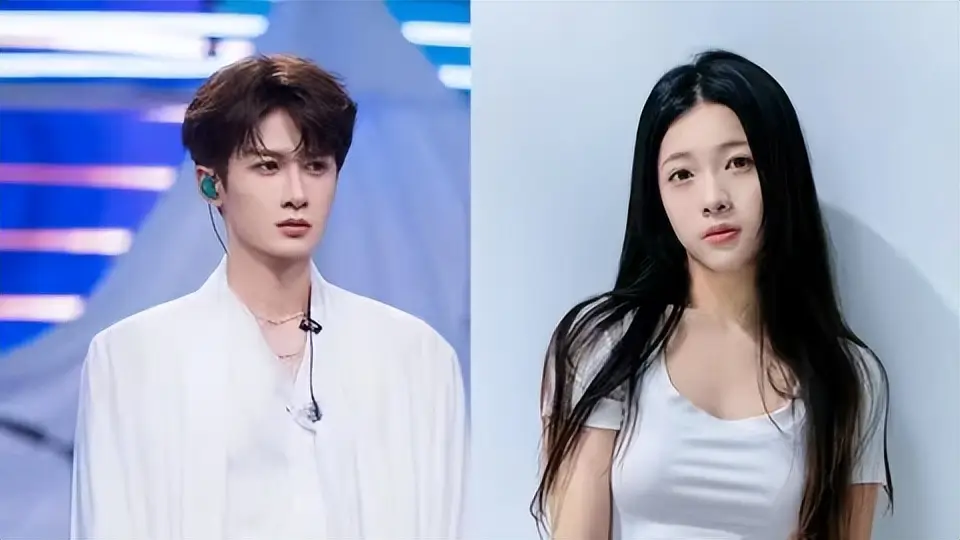
The case involving Tan Jianci and Liu Yinuo illustrates this clearly. Instead of silence or denial, the narrative was swiftly reframed as complete and concluded. Notably, Liu Yinuo emphasized her desire not to be reduced to a “rumored girlfriend” label, drawing a firm boundary between her personal life and professional identity.
This response highlights a growing awareness among young female artists. Short-term attention gained through association with a top star often comes at the cost of long-term positioning. By closing the story quickly, they reclaim control over how they are perceived.
More broadly, the entertainment industry’s approach to romance has undergone a generational shift. In earlier idol eras, dating scandals could end careers overnight. Artists born in the 1980s and early 1990s often chose transparency later in life, announcing marriages once relationships were secure. Today’s newcomers, however, practice a more precise form of narrative management.

In this model, endings are safer than beginnings. A relationship that is already over poses limited risk and may even generate benefits—maturity, visibility, or a reputation for professionalism. Romance is no longer a moral issue, but a career variable that must be managed carefully.
This evolution also reflects changing power dynamics, particularly as female independence gains cultural and commercial value. Many young actresses no longer rely on male co-stars’ popularity to advance. Instead, they prioritize maintaining a clear, autonomous public image.

Ultimately, modern idol romance is less about love itself and more about storytelling. The central question is no longer who someone loves, but how and when that story is told—and, crucially, how it ends.

