When “Love in the Age of Innocence” starring Sun Qian and Chen Feiyu premiered on February 21, 2026, its initial response was spectacular. The drama’s peak ratings reached 1.9442 percent and heat on major platforms soared past 21,400. Yet while the metrics impressed, viewers’ reactions were markedly divided. Some praised Sun Qian’s portrayal as “bringing the soul of the character to life,” while others critiqued her as “overly forced.” Similarly, Chen Feiyu was described as naturally innocent by some fans, while others labeled his performance as emotionally flat. These polarized reactions raise a sharper question: in period dramas, are viewers responding more to an actor’s suitability of appearance or to their acting craft?
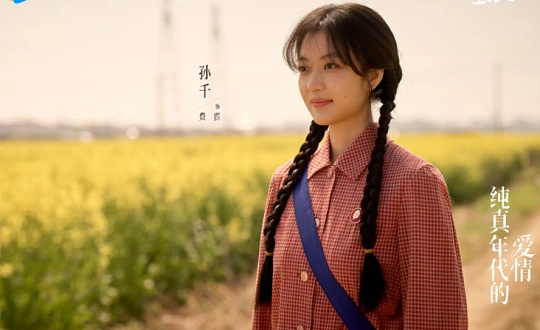
In “Love in the Age of Innocence,” Sun Qian plays Fei Ni, a textile factory worker of the late 1970s whose practical approach to life leads her to care for the injured Fang Muyang and eventually enter a marriage of convenience. Born in 1995, Sun Qian’s soft, round features carry a gentle, unpolished quality that aligns with period authenticity. Her braided hair and faded workwear create a look that resonates with the era, giving audiences an initial sense of credibility that her character belongs in that time. Some viewers have fondly remembered details such as her offbeat attempt to mix soy sauce and vinegar into er guo tou liquor or her tearful monologue beside Fang Muyang’s hospital bed, where her emotion felt sincere.

Yet controversy emerged over whether her efforts at portraying practicality sometimes came across as consciously performed rather than organically lived. Although the first episode drew high attention, subsequent viewership trends showed a slight dip, prompting speculation that some viewers might have felt a disconnect after their initial impressions.

Almost simultaneously, Guan Xiaotong took on a major role in the period drama “Our Dazzling Days” (岁月有情时). Released on February 20, 2026, the series takes place in a 1990s northeastern industrial hometown. Guan Xiaotong reportedly undertook extensive preparation, including dialect coaching and adjusting her body language to reflect local nuance. Despite her efforts, audiences noted discrepancies between her age, natural speech patterns, and the youthful character she portrayed. While the premiere’s popularity was strong, some viewers pointed out that these visual and speech incongruities momentarily distracted from immersion. Even intense scenes intended to convey her character’s strength were sometimes overshadowed by ongoing debate about fitting the physical and cultural particulars of the setting.
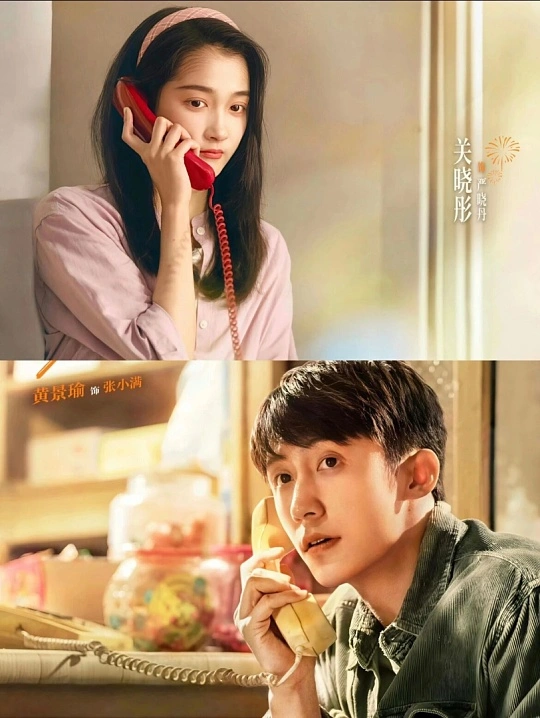
In contrast, Mei Ting’s performance in “Wonderful Times” (好好的时光), which premiered on February 23, 2026, presented a different model of adaptation. The drama quickly reached a national real-time rating of 2.4 percent. Mei Ting’s portrayal of a mother in a blended family was praised for naturalness and depth — her restrained expressions and measured pacing conveyed a lived-in authenticity that resonated strongly with viewers. Many attributed this to her extensive experience and long-term engagement with nuanced character work, which allowed her presence to harmonize with the period atmosphere without strain.

Juxtaposing Sun Qian, Guan Xiaotong, and Mei Ting illustrates how period dramas operate at the intersection of visual compatibility and narrative immersion. A “period-appropriate” look, as seen with Sun Qian, can facilitate initial acceptance. Similarly, Guan Xiaotong’s dedicated preparation demonstrated seriousness of craft, even if certain perceptual elements triggered early viewer scrutiny. Meanwhile, Mei Ting’s seasoned embodiment of her role suggests that cumulative artistic development can create a seamless blend of actor and era.

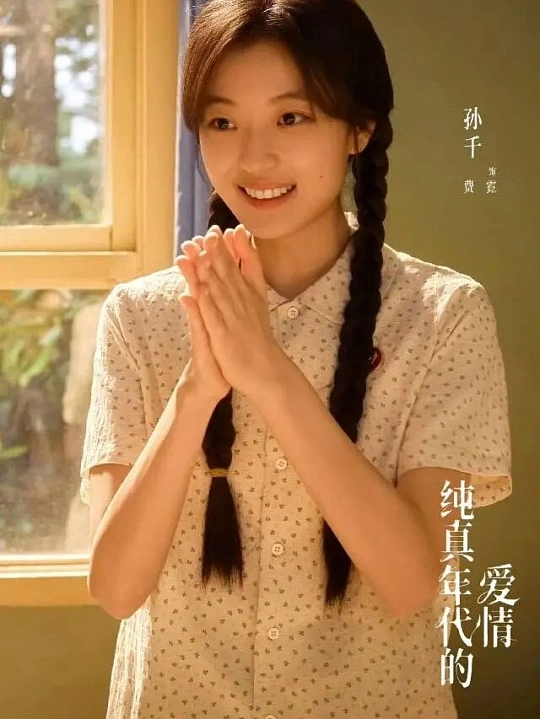
Ultimately, whether audiences “buy into” a period drama depends on the synergy between casting choices and the emotional truth conveyed through performance. Ratings such as 1.9442 percent or 2.4 percent quantify reach, but they cannot fully capture how deeply viewers connect with characters. In period storytelling, both an actor’s visual alignment with the time and their ability to internalize emotion and nuance contribute to the work’s overall resonance — and often, it is their interplay that determines whether the story truly feels alive.

