In recent Chinese costume dramas, visual design has increasingly functioned as a secondary narrative layer alongside the script. The Lure of Jade (逐玉) stands out as a representative example, where the headpieces of its main characters do more than serve aesthetic purposes. Instead, they reveal a clear connection to the traditional visual system of Peking Opera headgear system. Recent media discussions suggest that this is not coincidental imitation, but a selective inheritance from stage art into cinematic language.
Visual Design Beyond Decoration
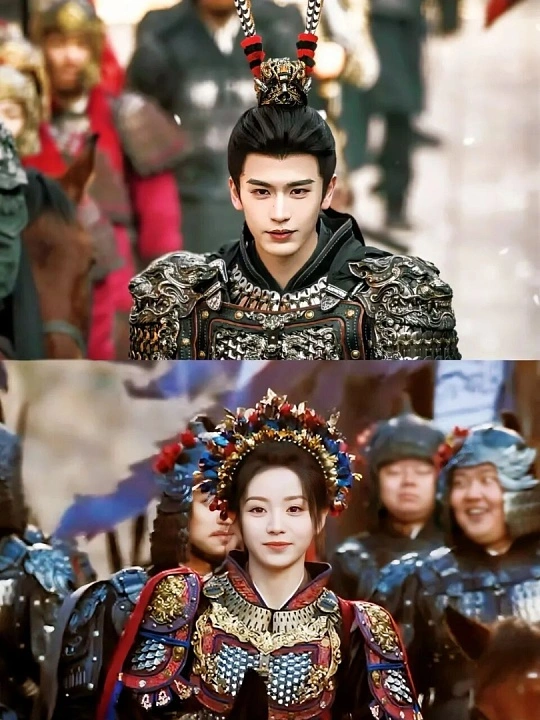
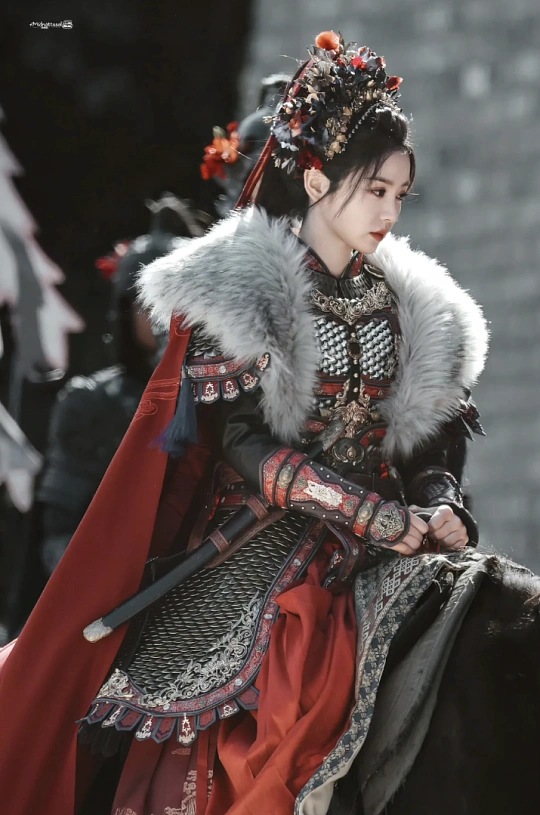
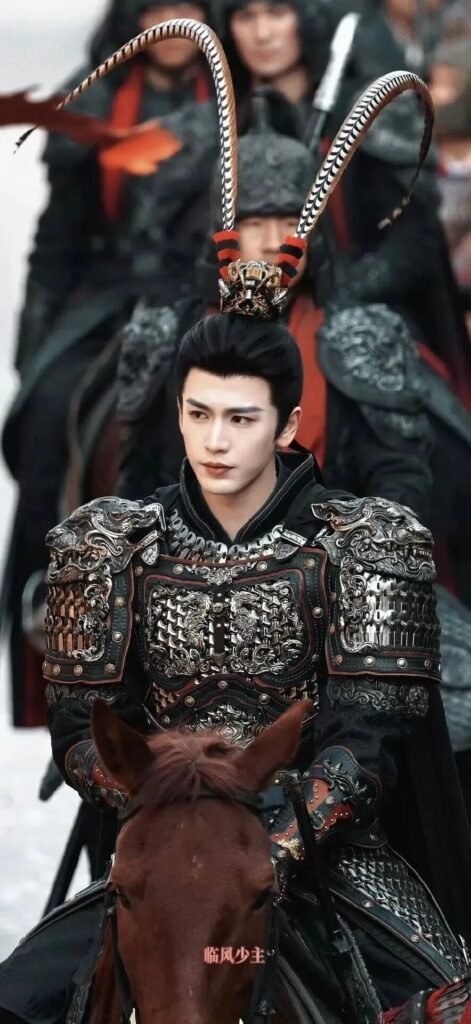
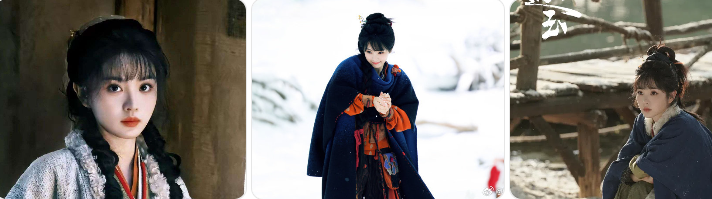
In The Lure of Jade, the headpieces of the two leads follow distinct design logics that immediately signal their roles and identities. The male lead’s headgear often features structured crowns with elements resembling pheasant feathers, creating a strong vertical silhouette associated with authority and martial presence. Meanwhile, the female lead’s headpieces emphasize symmetry, layering, and delicate ornamentation, with intricate hairpins and metallic detailing forming a balanced and refined composition.
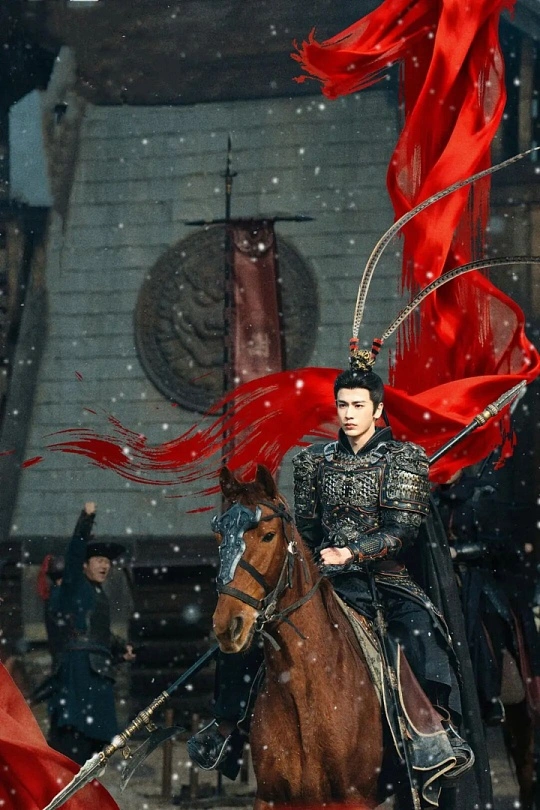
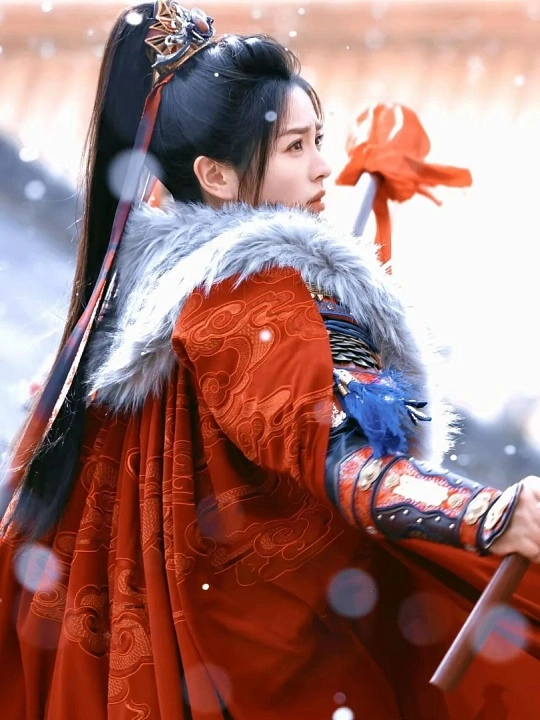
These designs are not strictly historical reproductions. Instead, they reflect a hybrid approach—combining historical references with stylized, almost theatrical visual cues. This allows the costumes to function not just as period markers, but as expressive tools embedded within the narrative.
Direct Parallels with Traditional Opera
Recent analyses have pointed out that the feathered elements seen in the male lead’s headgear can be traced back to ancient military crowns, later stylized into the iconic pheasant feather (翎子) used in traditional opera. In Peking Opera, these feathers are not decorative; they are performative devices used to convey character traits and emotional states.
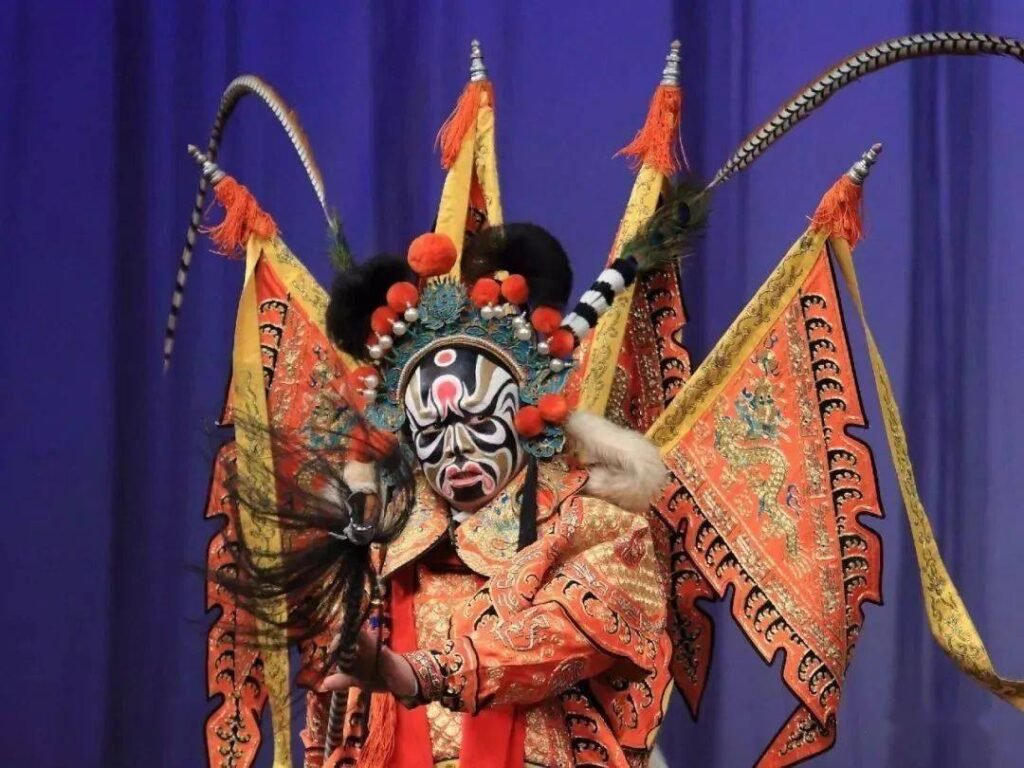
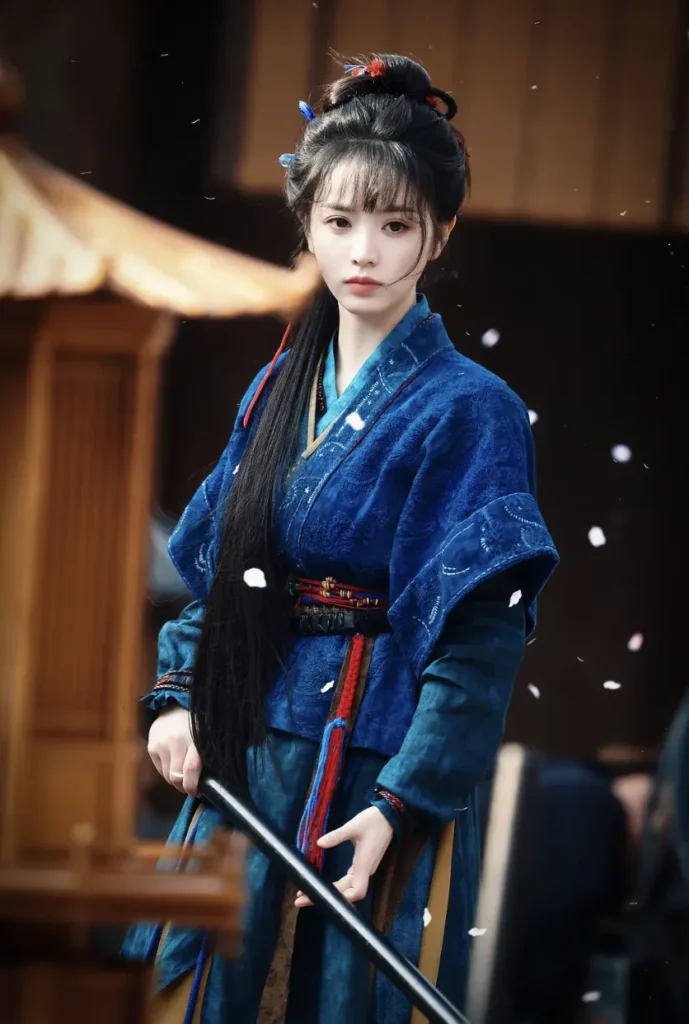
Similarly, the female lead’s symmetrical and layered headpieces recall the “点翠” style traditionally associated with female roles (旦角) in opera. These designs historically signified status, personality, and emotional condition. In The Lure of Jade, the evolution of her headpieces—from simpler to more elaborate forms—mirrors character development in a way that closely aligns with this traditional logic.
From Stage Symbolism to Cinematic Coding
The key difference lies in execution. Traditional opera employs exaggerated and highly symbolic headgear suited for stage performance, while The Lure of Jade softens and refines these elements to fit the realism of film and television.
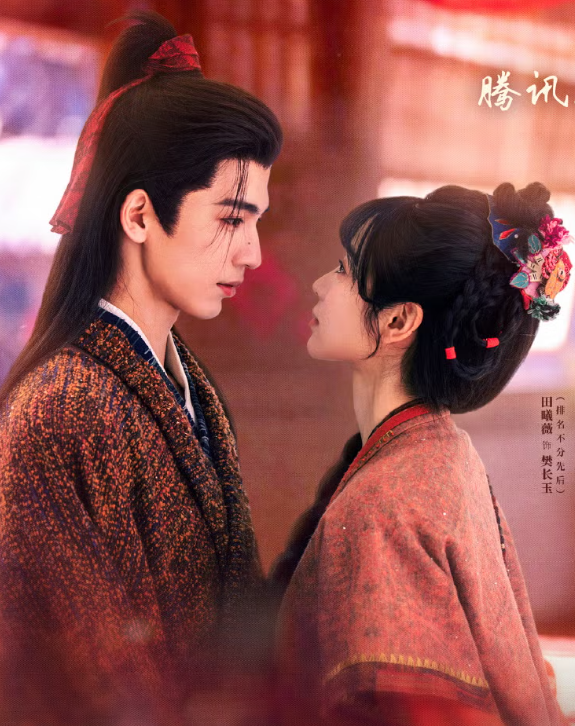
Despite this transformation, the underlying logic remains unchanged: headpieces act as a form of visual coding. Rather than explicitly stating a character’s status or emotional state through dialogue, the series embeds this information into costume design. This reflects a broader industry trend in which costume dramas increasingly adopt symbolic systems rooted in traditional performance arts.
Why This Approach Matters
The use of such design logic serves multiple purposes. First, it enhances character recognition, allowing audiences to distinguish roles instantly through silhouette and styling. Second, it reduces narrative redundancy by conveying information visually rather than verbally. Third, it aligns with contemporary viewing habits, where striking visual elements can generate rapid circulation and discussion across social media platforms.
Conclusion
The Lure of Jade demonstrates how modern costume dramas are moving beyond historical reconstruction toward a hybrid visual language that blends cinematic realism with theatrical symbolism. In this system, headpieces are no longer mere accessories but integral components of storytelling.
In essence, traditional opera uses headgear to perform character, while The Lure of Jade uses it to encode character. Though the mediums differ, the expressive logic remains fundamentally the same.

