In the landscape of 1990s Chinese historical television, Shangguan Wan’er (1998) stands as a restrained yet emotionally resonant work. Directed in the stylistic tradition of mainland period dramas of that era, the series traces the life of one of the Tang dynasty’s most enigmatic women—poet, court official, and political survivor. At its center is Ruan Danning, whose portrayal of Shangguan Wan’er remains one of the most defining performances of her career.
Graduating from the Shanghai Theatre Academy, Ruan Danning entered the screen with a classical presence rather than overt flamboyance. It is precisely this understated quality that allowed her to embody Shangguan Wan’er not merely as a historical figure, but as a woman shaped—and constrained—by the invisible architecture of imperial power.
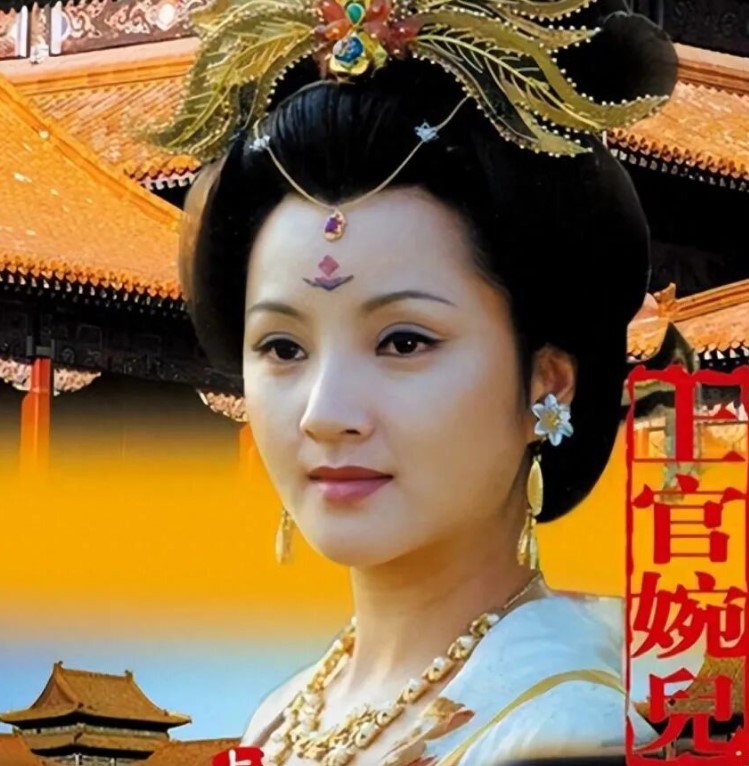
The drama charts Wan’er’s transformation from a young palace girl into a woman who navigates the highest corridors of authority. Yet, what distinguishes Ruan Danning’s performance is not the external arc of political ascent, but the quiet interiority beneath it. Her Wan’er does not dominate the court through force; instead, she endures, calculates, and adapts. Each measured glance, each pause in speech, suggests a mind constantly negotiating survival.
As a woman within the volatile ecosystem of the imperial court, Shangguan Wan’er exists in perpetual tension. She is both participant and instrument, both confidante and pawn. Ruan Danning captures this duality with remarkable restraint. Her expressions rarely break into overt emotion, yet sorrow lingers beneath the surface—subtle, persistent, and inescapable.
This emotional undercurrent becomes most evident in Wan’er’s romantic entanglements. The series does not present love as liberation, but as another form of entrapment. Her relationships are marked by distance, sacrifice, and inevitability. Affection is never fully realized; it is interrupted by duty, distorted by hierarchy, or silenced by political necessity. In Ruan Danning’s interpretation, love is less a refuge than a quiet wound—something carried, never healed.
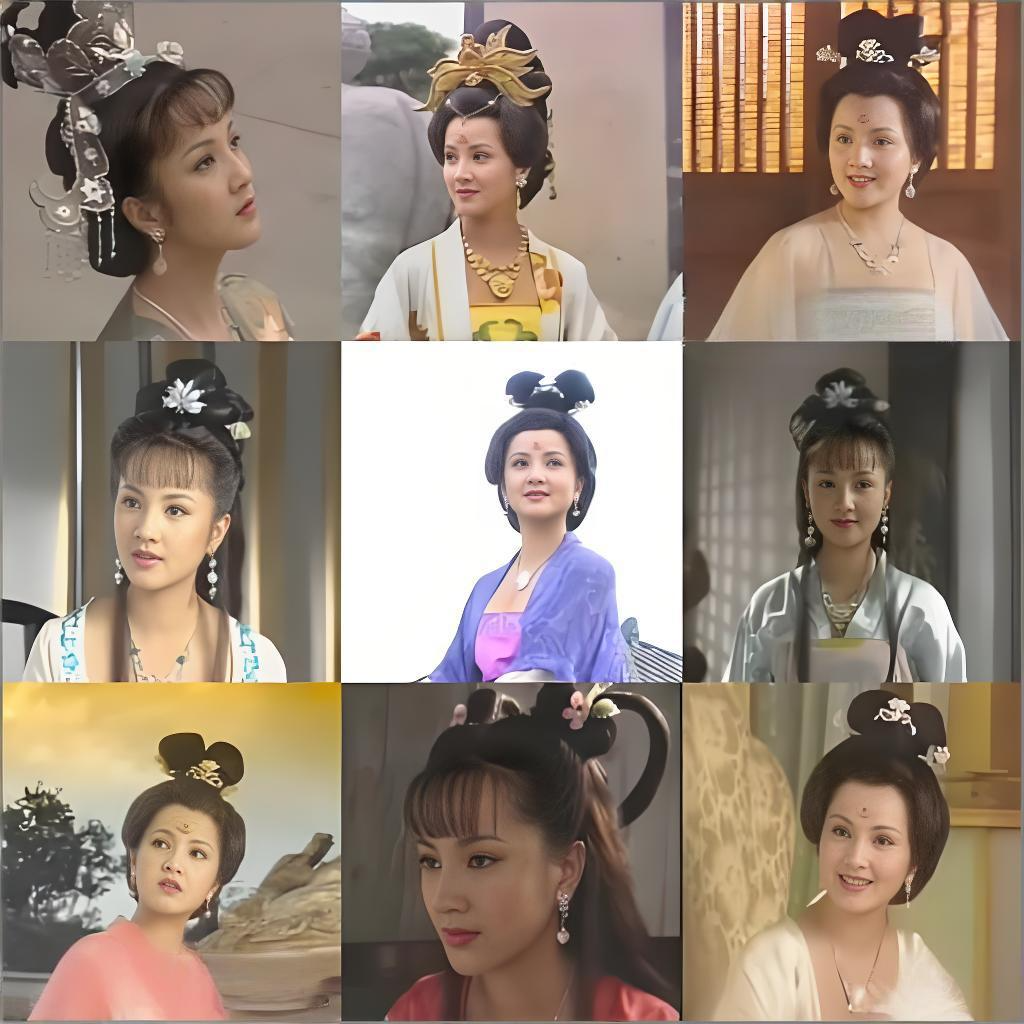
Visually, her performance aligns with the aesthetics of 1990s historical dramas: composed, deliberate, and grounded in textual weight rather than spectacle. Yet within this restraint lies a profound sense of tragedy. Shangguan Wan’er’s life, as rendered here, is not defined by singular downfall, but by continuous compromise—a slow erosion of personal desire in the face of historical inevitability.
Ruan Danning does not dramatize this tragedy; she inhabits it. And in doing so, she leaves behind a portrayal that feels less like performance and more like memory—faint, distant, but enduring.

