When placing Zhu Yu alongside recent successes such as Love Like the Galaxy (星汉灿烂), Jiu Chong Zi (九重紫), and Zhe Yao (折腰), the gap in market impact becomes less about production quality and more about narrative strategy. The differences lie in how these dramas are structured, paced, and translated from source material into screen language.
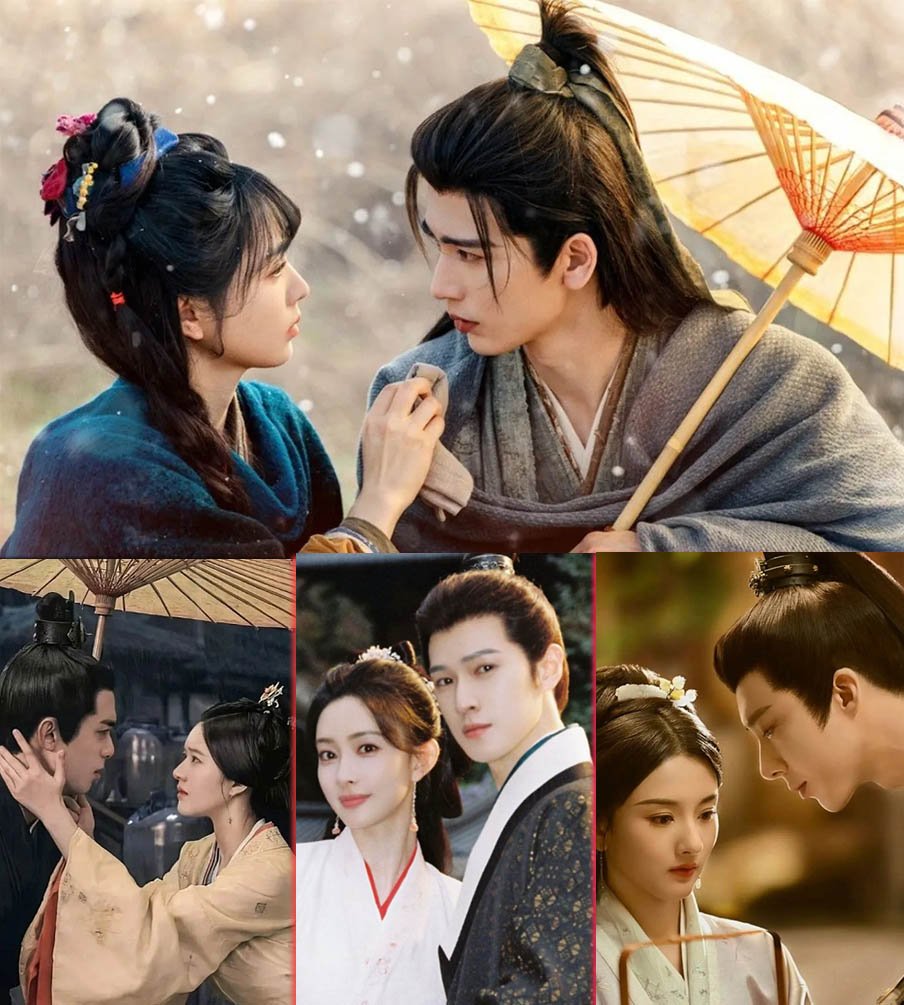
One of the most fundamental distinctions is adaptation approach. Zhu Yu adopts a relatively conservative method, preserving much of the original novel’s structure and emotional rhythm. While this may satisfy existing readers, it creates limitations in a visual medium that demands reorganization for stronger dramatic impact. In contrast, Love Like the Galaxy demonstrates a more aggressive adaptation logic: it streamlines narrative threads, sharpens character conflicts, and rearranges plot progression to prioritize clarity and engagement. This results in a story that feels more immediately accessible to a broader audience, even those unfamiliar with the source material.
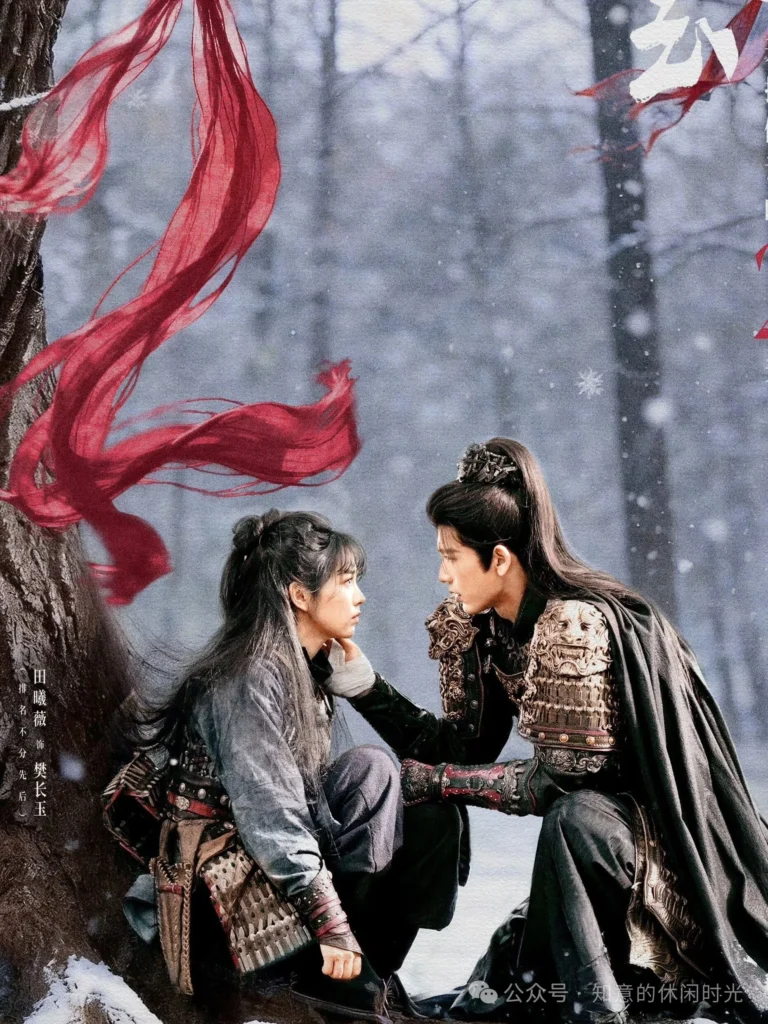
This divergence becomes even more apparent in pacing. Zhu Yu emphasizes emotional buildup and gradual development, allowing relationships and motivations to unfold organically. In theory, this provides depth; in practice, however, it risks flattening the viewing curve. As episodes progress, the lack of concentrated climactic peaks reduces the sense of urgency that drives continuous viewing. By comparison, Jiu Chong Zi and Zhe Yao rely on a denser arrangement of conflicts, faster narrative turnover, and strategically placed cliffhangers at episode endings. These elements create a rhythm of anticipation, ensuring that each episode feeds directly into the next and sustains audience momentum.
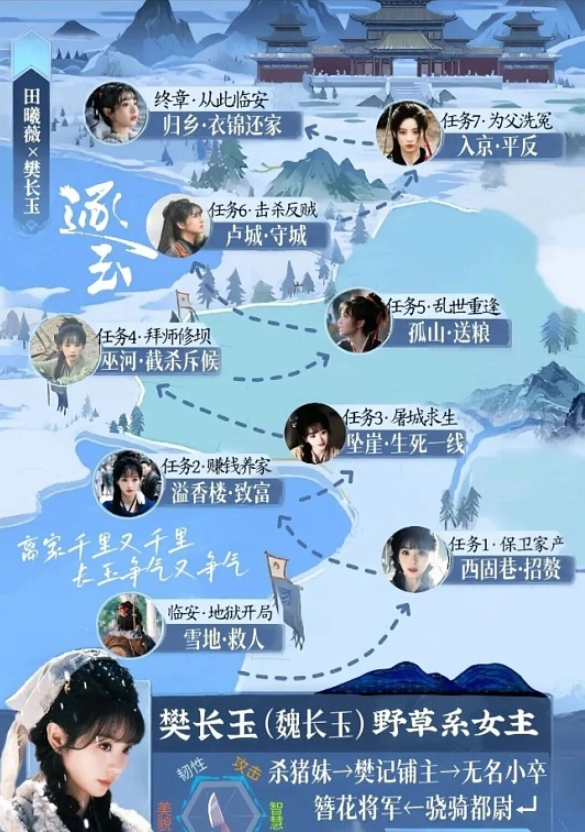
Another critical factor lies in character construction and topic generation. While Zhu Yu does not lack character definition, it struggles to produce figures or relationships that can break beyond the narrative and enter broader public discourse. Successful dramas like Love Like the Galaxy build highly recognizable character dynamics—whether through emotional intensity, ideological clashes, or memorable dialogue—that naturally translate into discussion points across social platforms. This “outward diffusion” of content is essential in today’s media environment, where a drama’s influence is measured not only by viewership but by its ability to generate conversation. Zhu Yu, by contrast, remains largely contained within its existing audience base, limiting its amplification potential.
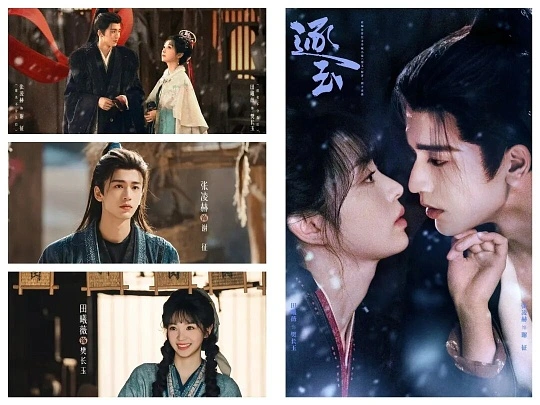
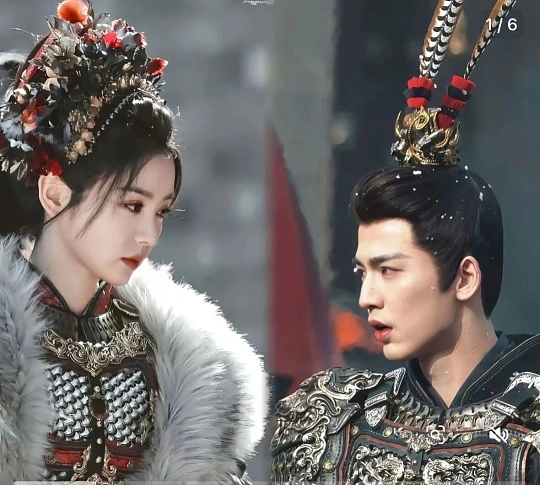
From a market performance perspective, it is important to note that Zhu Yu is not a failure. Its initial viewership and baseline attention place it within a mid-to-upper tier range. However, the issue lies in sustainability. Hit dramas typically exhibit a pattern of “layered peaks,” where each major plot development triggers a new wave of discussion, effectively renewing audience interest. Zhu Yu shows a different trajectory: after a relatively stable opening phase, its momentum gradually levels off, indicating that its narrative lacks the structural triggers needed to reignite attention over time.
At a deeper level, this comparison reflects two different philosophies of storytelling. Zhu Yu prioritizes coherence, emotional continuity, and a smooth viewing experience. The other dramas prioritize rhythm, intensity, and “designed moments” that can function both within the story and as standalone points of discussion. In the current market—where audience habits are shaped by short-form content, rapid feedback loops, and social media amplification—these designed moments have become increasingly crucial.
Ultimately, the case of Zhu Yu highlights a broader industry shift. High production value and narrative stability are no longer sufficient to create a breakout hit. Instead, success increasingly depends on how effectively a drama can balance internal storytelling with external communicability—how it not only tells a story, but also generates moments that audiences feel compelled to share, discuss, and revisit.

