The upcoming series Bu Ru Qu Ye (不如去野) has drawn increasing attention as a contemporary urban healing drama adapted from Xia Yu’s novel of the same name, with Ousijia attached as screenwriter. Positioned at the intersection of “city versus countryside” and “self-growth versus emotional repair,” the project aligns with the rising popularity of return-to-hometown narratives in recent years, giving it notable discussion potential even before production begins.
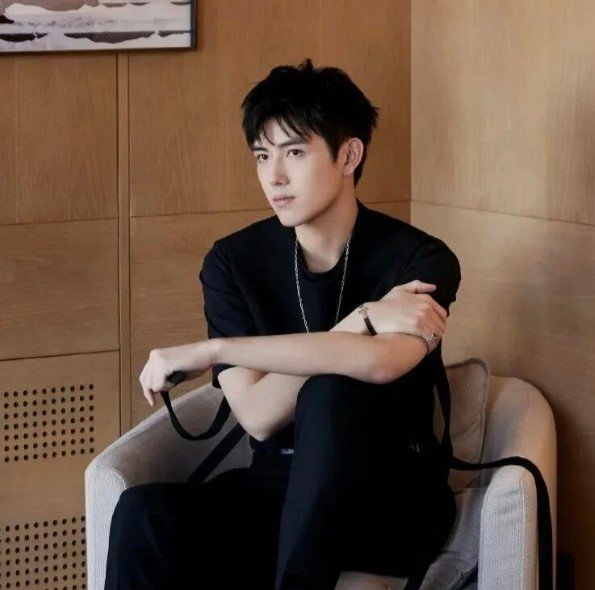
At present, casting details remain unconfirmed. Online speculation suggests that Chen Feiyu may take the lead role, but this information is still in the stage of negotiation or consideration and has not been officially announced. As such, the final lineup remains open to change.
A Story of Leaving—and Finding a Way Back
At the center of Bu Ru Qu Ye is Xiang Ye, a woman who initially appears to have a stable and respectable urban life. Beneath that surface, however, she faces mounting pressure and a growing sense of disorientation. Ultimately, she makes the decision to leave the city behind and return to her hometown, seeking a new beginning.
This shift in environment marks the start of a deeper transformation. In the slower rhythm of rural life, Xiang Ye must confront both practical challenges—such as the difficulties of starting a business with limited resources—and more internal questions about identity and purpose. Her journey becomes not just one of relocation, but of reevaluation.
Reunion and Emotional Continuity
The emotional core of the drama unfolds through her reconnection with Wang Heming, a high school teacher in the small town. Outwardly calm and restrained, he carries an internal conflict shaped by his dual identity: on one hand, he is the heir to a family tea business; on the other, he has chosen to remain in grassroots education.
This contrast adds depth to his character, positioning him between responsibility and personal conviction. His reunion with Xiang Ye is not a simple rekindling of romance, but the continuation of a story left unfinished.
Ten years earlier, the two shared a quiet relationship that ended before it could fully develop, constrained by circumstance and youth. When they meet again, both have changed. Their renewed connection carries traces of the past, but is now shaped by experience, responsibility, and a more grounded understanding of themselves.
Rather than relying on dramatic twists, the relationship unfolds gradually. The narrative adopts a restrained, slow-burn approach, allowing everyday interactions and environmental atmosphere to guide emotional development.
Themes of Escape and Reconstruction
At a thematic level, Bu Ru Qu Ye reflects a broader cultural tension: the desire to escape the pressures of urban life while simultaneously searching for meaning in a different space. The countryside is not presented as an idealized refuge, but as a setting where individuals must actively rebuild their lives.
Through the intertwining of entrepreneurial struggles and emotional relationships, the series explores how people navigate uncertainty and gradually establish a new sense of order. The focus is less on dramatic resolution and more on process—how healing occurs over time through adaptation, connection, and self-awareness.
A Genre with Growing Resonance
In recent years, “healing realism” has emerged as a stable and recognizable category within the television landscape. These works tend to prioritize atmosphere, character development, and emotional authenticity over high-intensity plot mechanics. Bu Ru Qu Ye appears to follow this trajectory, offering a quieter, more introspective narrative.
From a production standpoint, the project has not yet officially entered filming. Current reports suggest that production may begin in 2026, but details regarding schedule, platform, and confirmed cast remain pending.
For Chen Feiyu, should his involvement be confirmed, the project would represent a shift toward more grounded, character-driven material. Compared to his earlier roles, which often leaned toward youth-oriented or emotionally heightened narratives, this type of story may require a more restrained performance style—potentially opening space for further development in his acting range.
A Story About Slowing Down
Ultimately, Bu Ru Qu Ye is less about dramatic transformation and more about gradual change. It frames “leaving” not as an escape, but as a necessary step toward understanding, and “returning” not as regression, but as reconstruction.
In doing so, it offers a perspective that resonates with contemporary audiences: that growth does not always come from acceleration, but sometimes from stepping away—and learning how to begin again.

