Amid South Korea’s increasingly dynamic tourism landscape—dominated by modern cities such as Seoul and Busan—Andong stands out as a destination of a completely different character. Rather than energy and speed, Andong offers depth, stillness, and a strong sense of continuity with the past.
Often described as the cultural heart of Confucian traditions in Korea, Andong preserves both tangible and intangible heritage in a way that feels authentic rather than staged. For international visitors, a trip here is less about sightseeing and more about entering a living cultural landscape.
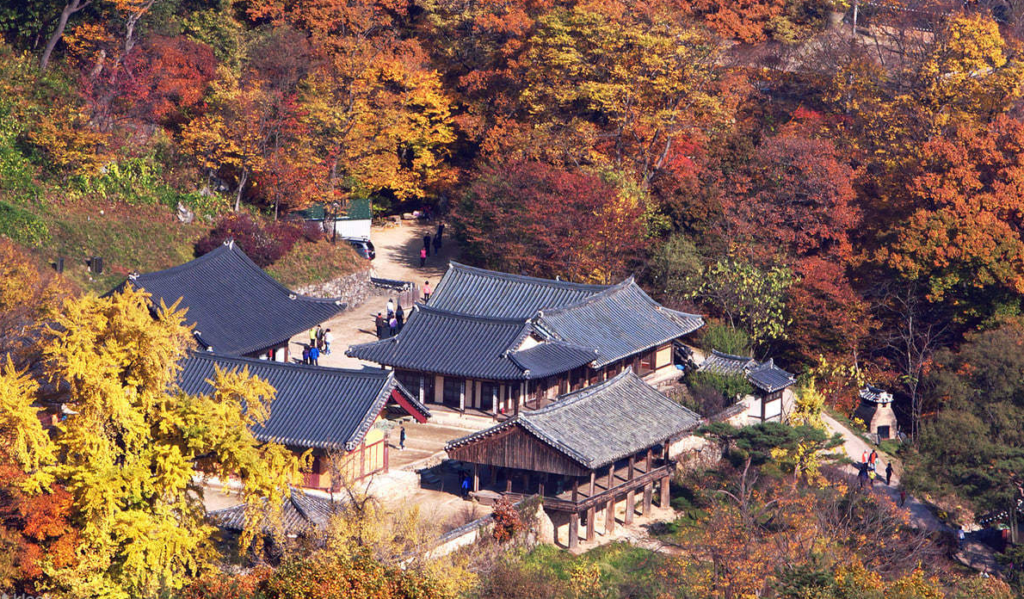
Hahoe Folk Village – a living heritage site
The centerpiece of Andong is Hahoe Folk Village, a UNESCO-listed village with over 600 years of history. Unlike reconstructed heritage sites, Hahoe remains inhabited, with residents continuing traditional ways of life.
Tile-roofed hanok houses, earthen walls, and winding paths form a harmonious landscape shaped by both architecture and nature. Located within a bend of the Nakdong River, the village reflects traditional Korean geomantic principles while offering a remarkably scenic setting.
Walking through Hahoe, visitors encounter a slower rhythm—free from the noise and urgency of urban life—where silence and subtle details become part of the experience.
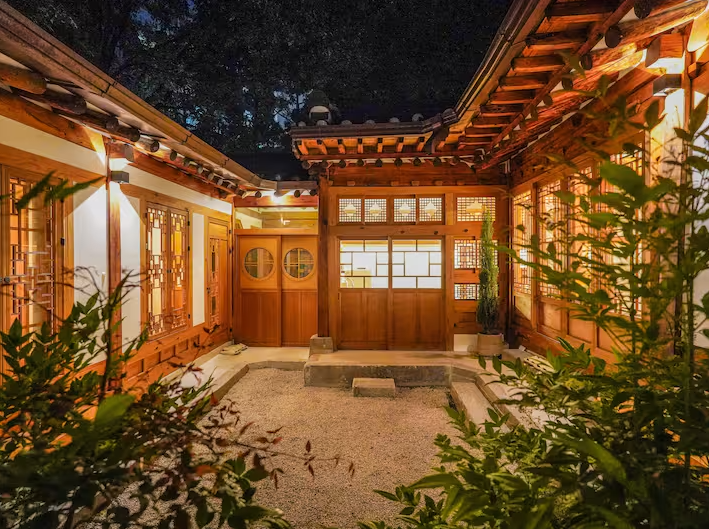
Hanok stay – experiencing traditional living
One of the most distinctive experiences in Andong is staying in a hanok, a traditional Korean house. Rather than offering modern luxury, hanok accommodation emphasizes simplicity and harmony with nature.
Built with natural materials such as wood, paper, and earth, these houses feature the traditional ondol floor-heating system and open layouts that allow light and air to circulate gently. Guests typically sleep on floor bedding, spend quiet moments in inner courtyards, and experience a slower, more reflective pace of life.
This is not merely accommodation, but a cultural immersion—an opportunity to step away from modern routines and engage with a different way of living.
Cultural heritage – traditions that endure
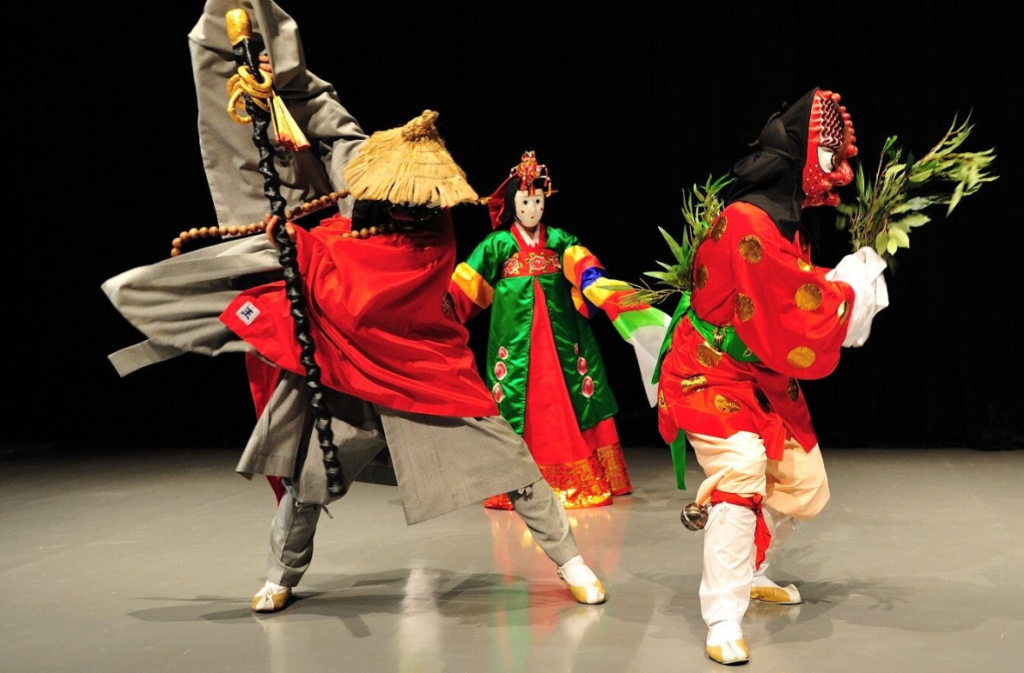
Beyond architecture, Andong is known for its rich intangible heritage. The Hahoe mask dance (talchum) is a traditional performance art that blends humor and social commentary through expressive wooden masks.
The city is also deeply connected to Confucian scholarship, exemplified by sites such as Dosan Seowon. These academies highlight the historical importance of education and philosophy in shaping Korean society.
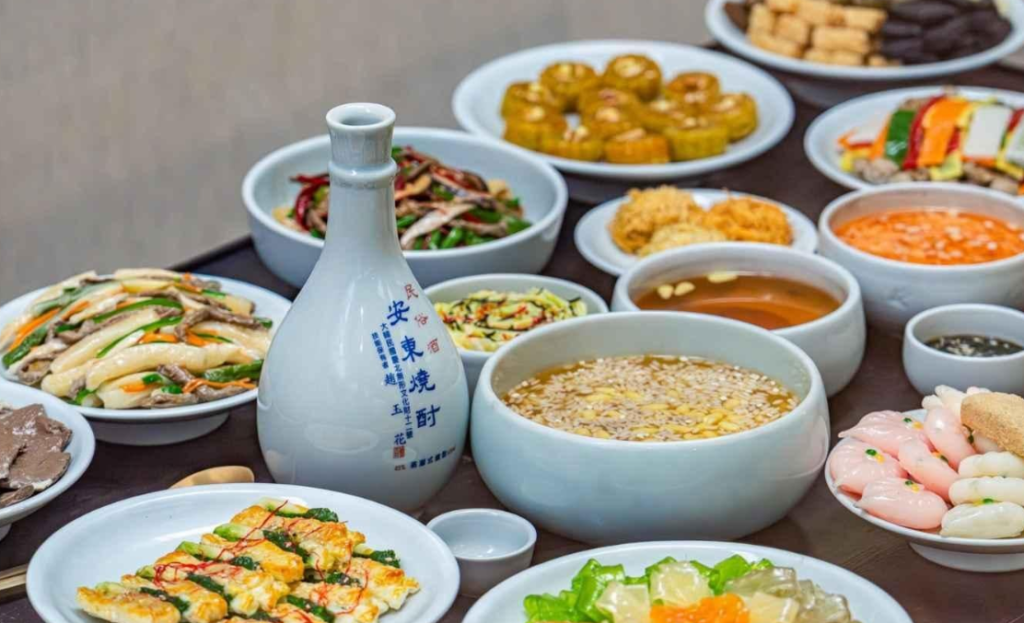
Local cuisine – understated yet distinctive
Andong’s cuisine is simple but rooted in tradition. The most famous dish, Andong jjimdak (braised chicken), offers a rich yet balanced flavor. Meals are typically served in a homestyle format, accompanied by local specialties such as Andong soju.
Dining here is not just about food, but about appreciating a slower, more deliberate way of life.
A destination for slow travel
Today, Andong attracts travelers seeking tranquility and cultural depth. As tourism trends shift toward personalization and sustainability, Andong offers an alternative to fast-paced urban travel.
Many itineraries now combine Seoul and Andong, creating a meaningful contrast between modern energy and traditional calm. This balance allows visitors to experience a broader perspective of South Korea.
Conclusion
Andong may not offer the excitement of major cities, but its appeal lies in subtlety and depth. From Hahoe Village to hanok living, from traditional performances to everyday routines, the city presents a space where the past continues to exist within the present.
In an increasingly fast-moving world, Andong offers a rare opportunity to slow down—and in doing so, to experience something truly enduring.

