For years, Seoul (South Korea) has remained one of Asia’s most compelling destinations. Yet its recent appeal extends beyond landmarks and shopping districts. Increasingly, it is shaped by what is often described as the “K-culture lifestyle”—a form of travel centered not only on observing Korean popular culture, but on experiencing the everyday life associated with it.
This shift reflects broader changes in how younger travelers approach tourism. Rather than focusing solely on iconic sites, many now seek a hybrid journey that blends traditional sightseeing with contemporary urban experiences. Seoul, where historical layers coexist with a highly modern cityscape, offers a particularly suitable environment for this evolving travel pattern.
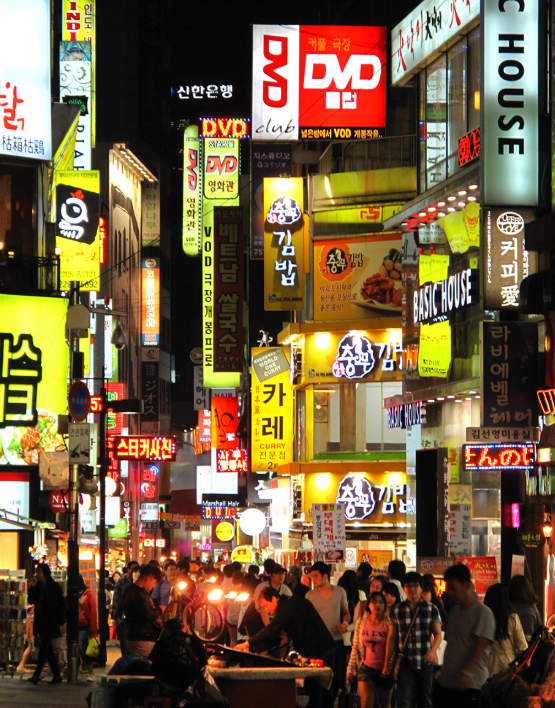
One of the defining characteristics of the “K-culture lifestyle” is the blurred boundary between observer and participant. Districts such as Hongdae, Gangnam, and Itaewon function not just as destinations but as lived spaces where visitors can engage with local rhythms. Street performances, K-pop dance covers, and casual urban exploration all become part of an immersive environment. The atmosphere—creative, open, and often spontaneous—allows individuals to situate themselves within the city’s ongoing cultural narrative.
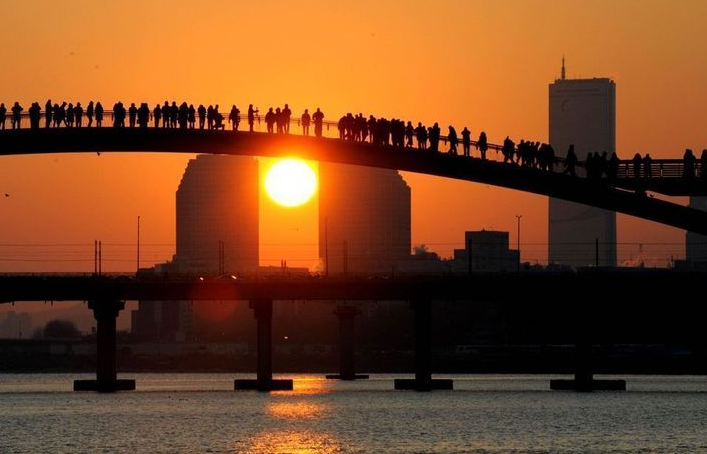
Aesthetic sensibility also plays a central role. Seoul’s street fashion reflects a balance between minimalism and expressive detail. Visitors are not merely consumers; they observe how locals construct identity through clothing and presentation. Retail spaces such as Olive Young thus function as experiential environments where travelers can explore and reinterpret Korean beauty standards.
Food culture, similarly, extends beyond cuisine itself. Eating instant noodles at a convenience store late at night, having a picnic along the Han River, or spending time in carefully curated cafés are all practices embedded in everyday urban life. In these moments, presence and atmosphere often matter as much as the activity itself.
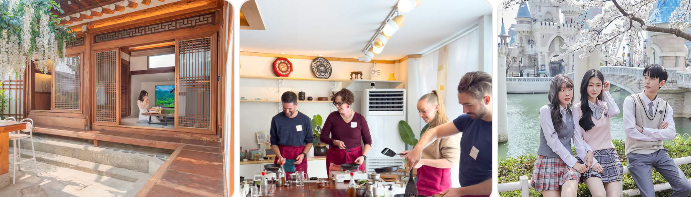
Another dimension of this lifestyle is the selective engagement with local culture. Staying in traditional hanok houses in Bukchon, attending cooking classes, or trying symbolic activities such as school uniform rentals are examples of curated experiences. While they may not fully represent everyday Korean life, they provide accessible entry points for international visitors seeking cultural proximity.
Social media plays a central role in shaping and amplifying these experiences. Travel decisions are often influenced by platforms such as Instagram and TikTok, which affect not only where people go but also how they engage with spaces. A café, a street, or a particular viewpoint is increasingly evaluated through its visual and shareable qualities.
Importantly, this trend does not replace traditional tourism but coexists with it. Visitors still explore palaces, heritage villages, and historical landmarks, while simultaneously seeking lifestyle-driven experiences. This hybrid approach results in a flexible travel model that aligns with the expectations of younger generations.
Ultimately, the “K-culture lifestyle” reflects a broader transformation in the meaning of travel—from seeing to experiencing, from observing to temporarily inhabiting. Seoul, with its ability to merge global cultural influence and local identity, stands as a representative case of this shift. In a world where travel is increasingly personalized, the opportunity to momentarily live within a different cultural rhythm offers both novelty and familiarity, sustaining Seoul’s strong appeal among international visitors.

