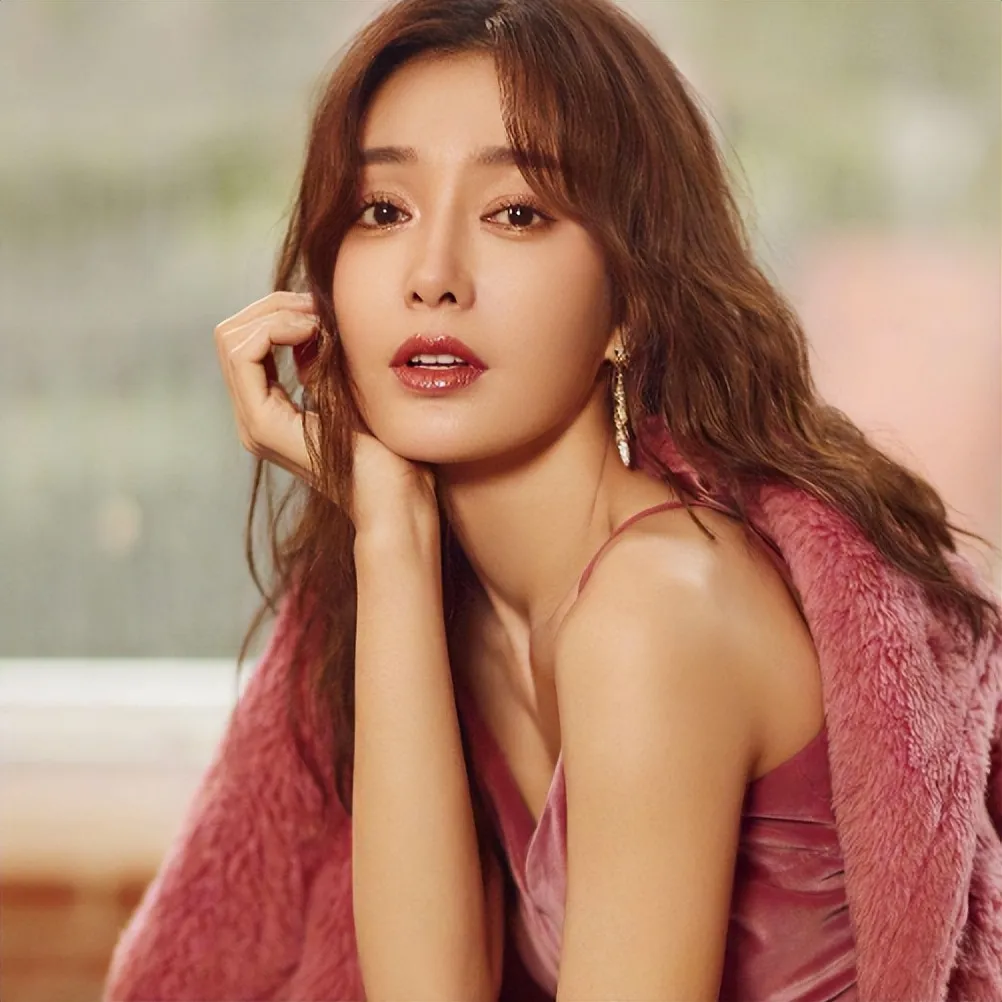
“She sheds a tear, and a star falls from the sky.” With this poetic line, writer Qiong Yao not only captured the earliest impression of Qin Lan’s screen presence, but also, in a way, foreshadowed the emotional texture that would come to define her career. It is a kind of beauty that carries a distinctly classical resonance—gentle, restrained, with a quiet melancholy that seems to linger just beneath the surface. Among countless faces, hers does not demand attention, yet it remains—clear, composed, and quietly unforgettable.
On screen, Qin Lan often appears as if she belongs to another rhythm of time. There is a stillness to her presence, a refusal to rush into expression, and yet an unmistakable sense of being there—fully, steadily, almost inevitably. She seems naturally placed within narratives shaped by emotion and fate, as though her existence is aligned with stories that unfold slowly, where feeling accumulates rather than erupts.
A Face, A Story Yet Untold
Born on July 17, 1979, in Shenyang, Liaoning Province, Qin Lan did not initially set out to become an actress. She studied accounting at Shenyang University of Technology, following what appeared to be a practical and stable path. And yet, before that path could fully settle into place, an unexpected opportunity—arising from a competition—opened a different possibility. It was not a dramatic turning point, but a quiet shift in direction. From that moment on, another version of her life became imaginable.
Leaving behind the certainty of her original trajectory, she moved to Beijing and began to explore performance. In 2001, she appeared in Datang Qing Shi (大唐情史), marking her official entry into the entertainment industry. It was a beginning that did not immediately announce itself, nor did it position her at the center of attention. Instead, it simply placed her within the flow of the industry, where time would gradually determine visibility.
From that point forward, her life became inseparable from the identity of “an actress.” And yet, in those early years, she was not truly seen. She had no clearly defined place, no singular image that belonged entirely to her. Her story did not unfold in a single moment of recognition; rather, it began quietly, and continued to unfold in fragments, each stage revealing a little more than the last.
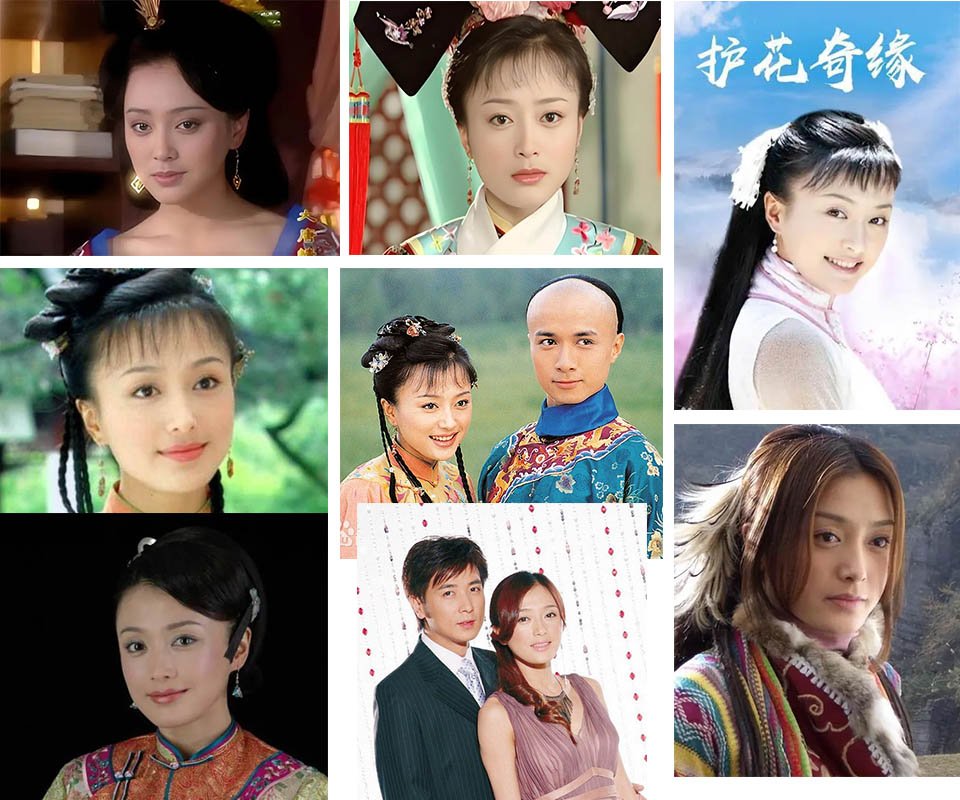
In July 2003, she entered public consciousness through My Fair Princess III: Heaven on Earth (还珠格格第三部:天上人间), where her portrayal of Chen Zhihua left a strong and lasting impression. By 2007, in Another Dream (又见一帘幽梦), her role as Wang Lüping marked an early transformation—one that suggested she was beginning to move beyond the confines of a singular screen identity.
Chen Zhihua was the role that first anchored her in the audience’s memory. The character carried a distinct emotional tension—gentle on the surface, yet layered with restraint, calculation, and quiet complexity. It was precisely this ambiguity that made the role both memorable and controversial. At that stage, Qin Lan’s performance leaned toward a more direct expression of beauty and emotion, but it was this very complexity that ensured she would not be easily overlooked.
The real shift, however, came with Wang Lüping. Unlike her earlier roles, this character required a stronger internal structure—greater emotional intensity, clearer psychological movement. Qin Lan began to construct her characters from within, establishing an internal logic that allowed them not only to exist, but to act, to move, to shape the narrative itself. It was here that she took her first decisive step toward becoming not just a presence on screen, but an actress in the fullest sense of the word.
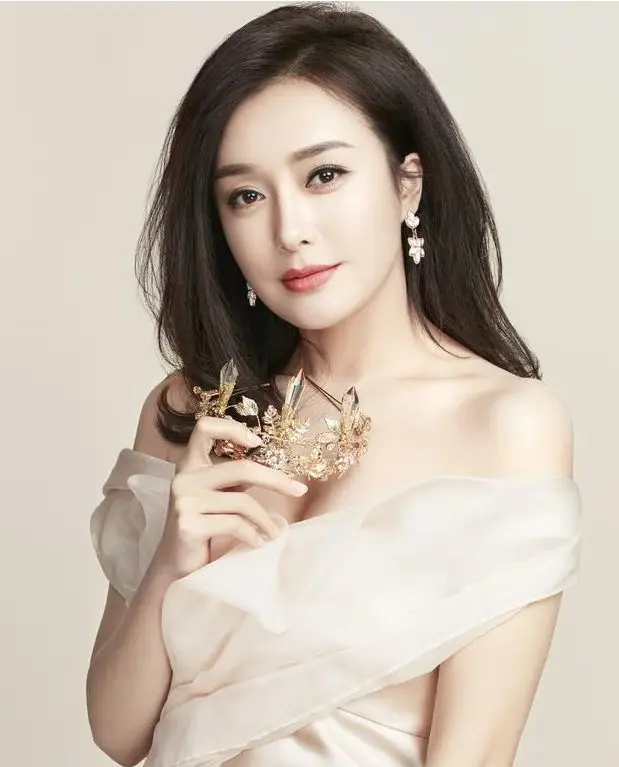
During this period, she gradually moved from being recognized as a “classical beauty” to becoming an actress increasingly aware of her own craft. Her appearance remained an entry point, but it was no longer sufficient. Within her roles, she began searching for weight, for articulation, for something that could extend beyond the surface. And in doing so, she began to reshape the way she could be seen.
Transformation and Stillness: Searching for Weight Within Roles
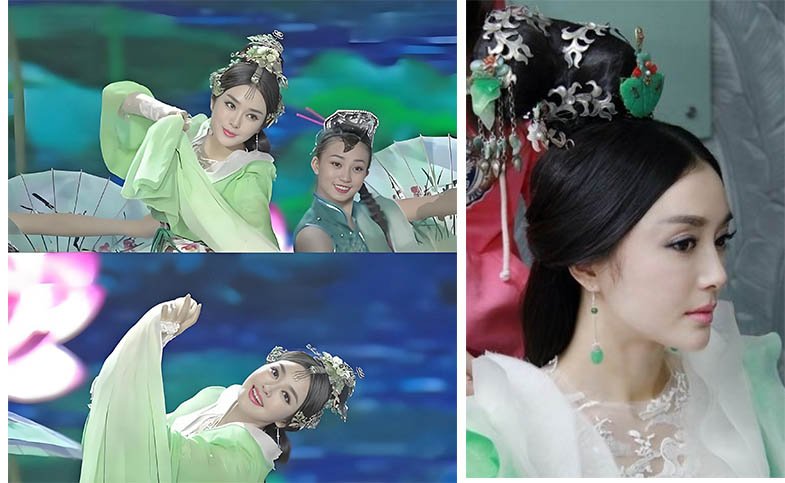
If Qin Lan’s early career was shaped by her appearance and aura, then around 2010 marked a quiet but decisive shift toward depth. This was not a sudden transformation, but a gradual reorientation—one in which she began to choose roles that demanded more from her, roles that could not be sustained by beauty alone.
In 2010, her portrayal of Ye Jin in Zhen Qing Cuo Ai (真情错爱) brought her into closer contact with grounded, emotionally complex characters. That same year, in City of Life and Death (南京!南京!), she entered a narrative shaped by history and war, where the scale of events required a different kind of performance—one built on restraint rather than display. Her character, Tang Zhou, existed within silence, within pressure, within an environment where emotion could not be easily expressed.
In such a context, Qin Lan did not attempt to stand out. Instead, she receded—allowing the character to emerge through small, controlled gestures. Fragility and dignity coexisted, not through dramatic expression, but through careful modulation. The film’s international recognition placed her performance within a broader evaluative space, extending her visibility beyond domestic perception.
At the same time, Lushan Love 2010 (庐山恋2010) allowed her to retain a softer emotional register, maintaining a balance between intensity and tenderness. It was not a contradiction, but a coexistence—one that reflected her expanding range.
From this point onward, her trajectory became more defined. In 2011, she received the Newcomer Actress of the Year award for Hidden Marriage (隐婚男女), while also portraying Su Xuelin in The Founding of a Party (建党伟业), situating herself within historical narratives. In 2012, her role in Mother Tongue (母语) brought her recognition at an international film festival, while The Last Supper (王的盛宴) further deepened her engagement with historical characters.
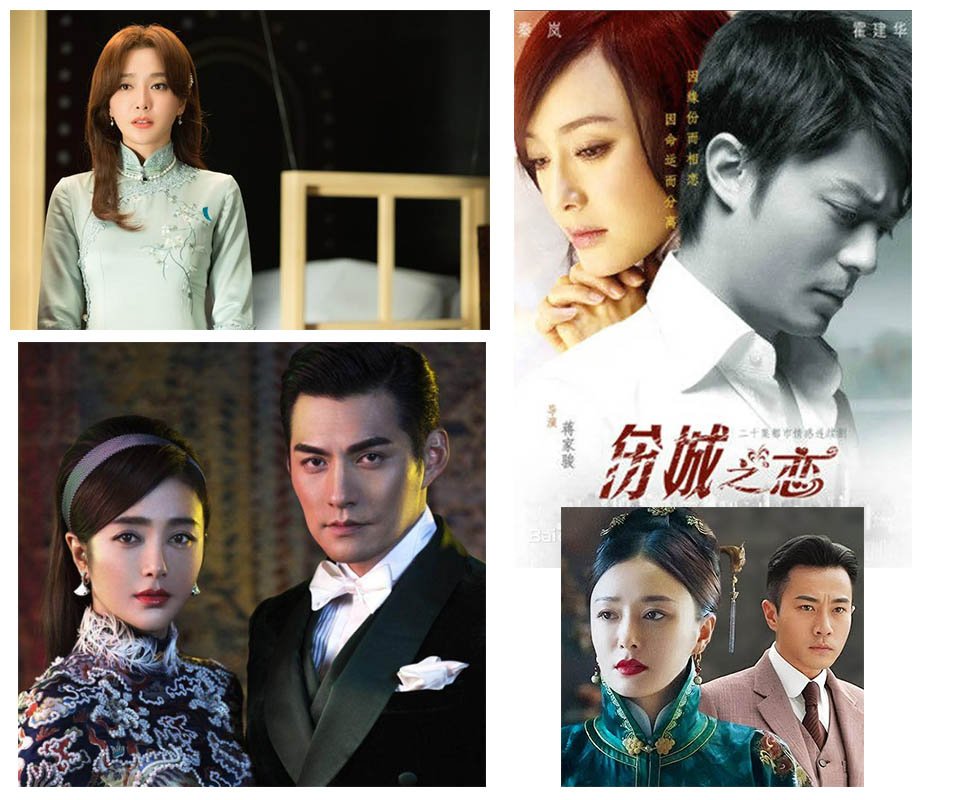
Her portrayal of Empress Lü Zhi carried a different kind of weight—less about immediate emotion, more about power, control, and historical presence. When she returned to the same figure in Legend of Chu and Han (楚汉传奇), she was able to extend that complexity over a longer narrative span, allowing the character to unfold in layers.
During this period, her acting underwent a fundamental shift—from external presentation to internal construction. She no longer relied on being seen; instead, she focused on building the character from within, structuring emotion, shaping response, and allowing the role to take form gradually.
And yet, this transformation did not lead immediately to a breakthrough. Between 2013 and 2016, she entered a phase that could be described as quiet accumulation. She remained active across multiple domains—releasing her EP A Shoulder Apart (一肩之隔), portraying Gu Haitang in Rolling Red Dust (滚滚红尘), and exploring varied roles in Sing War Chronicles (唱·战记) and The Romance of the Condor Heroes (神雕侠侣).
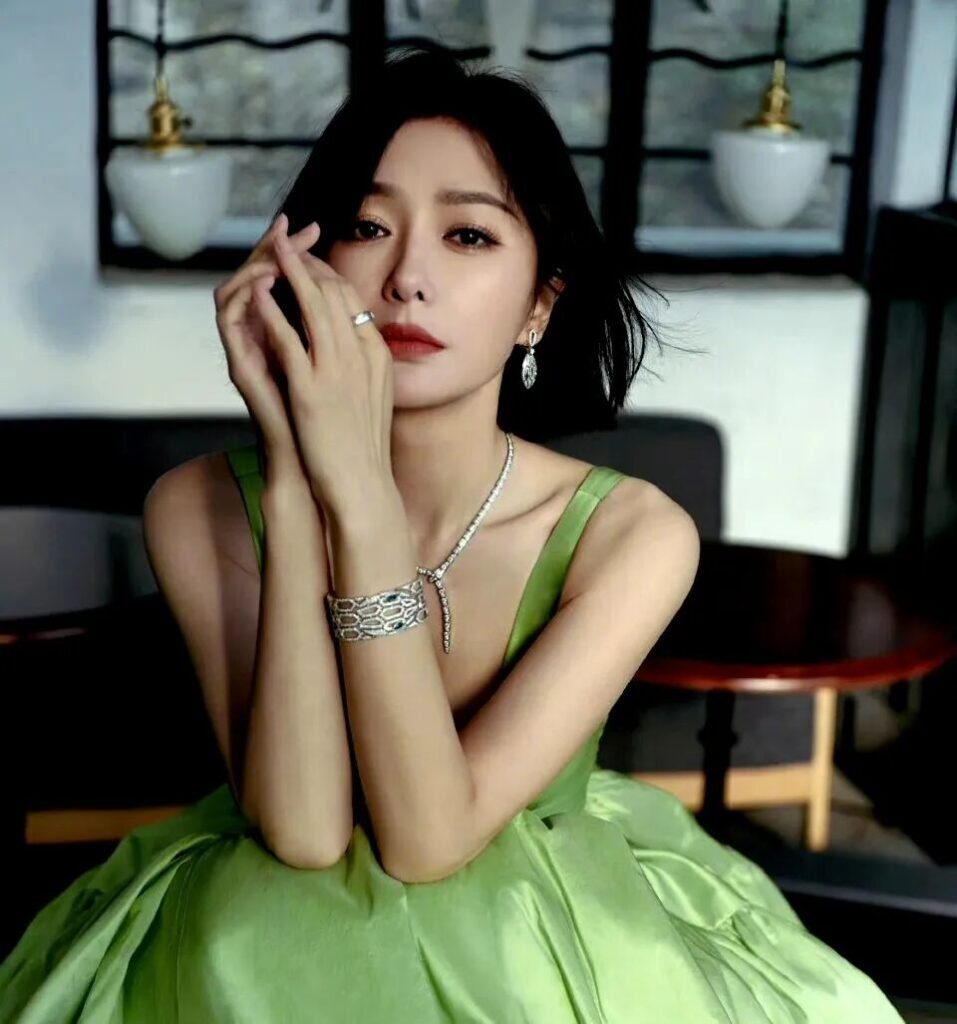
She also appeared in Ulterior Motive (别有动机), Sleeping Above My Brother (睡在我上铺的兄弟), and We Fall in Love (咱们相爱吧), while participating in variety programs and televised events.
None of these works, taken individually, constituted a defining breakthrough. But together, they formed a necessary period of accumulation—a time in which she adjusted her position, tested boundaries, and navigated the space between industry expectations and personal direction. It was a period not fully illuminated by attention, yet essential in preparing her for what would come next.
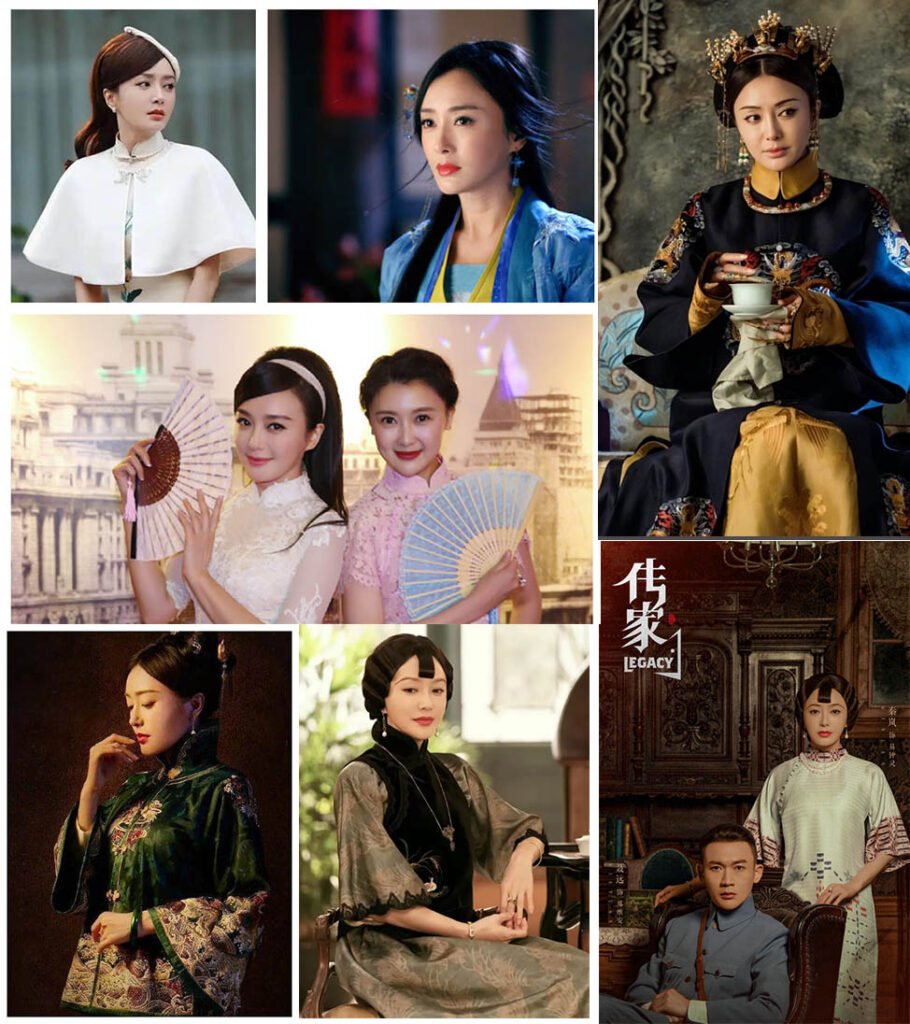
A Return to the Spotlight: Reclaiming Presence Through Light and Shadow
And yet, this return was never accidental. Long before Story of Yanxi Palace (延禧攻略) brought her back into the center of attention, Qin Lan had already begun to test the boundaries of her own image. In Super APP (超级APP), she experimented with new modes of expression, stepping into a more stylized and conceptual space. In the short film Eating Noodles (吃面), she deliberately broke away from her established persona, portraying a woman caught in the quiet desperation of everyday urban life. These attempts, seemingly scattered and understated at the time, in fact formed a continuous line of preparation—a slow recalibration that made her eventual return not only possible, but inevitable.
Between 2019 and 2020, her trajectory expanded further, not in a single direction but across multiple dimensions. In We Are All Alone (怪你过分美丽), she took on the role of Mo Xiangwan, an artist manager navigating the complexities of the entertainment industry. This character required a different register—sharp, rational, composed under pressure—and Qin Lan brought to it a grounded realism that resonated with contemporary audiences. In Min Chu Qi Ren Zhuan (民初奇人传), she shifted again, adopting a distinct stylistic tone through the character of Jin Xiuniang, continuing to explore variation in both form and presence.
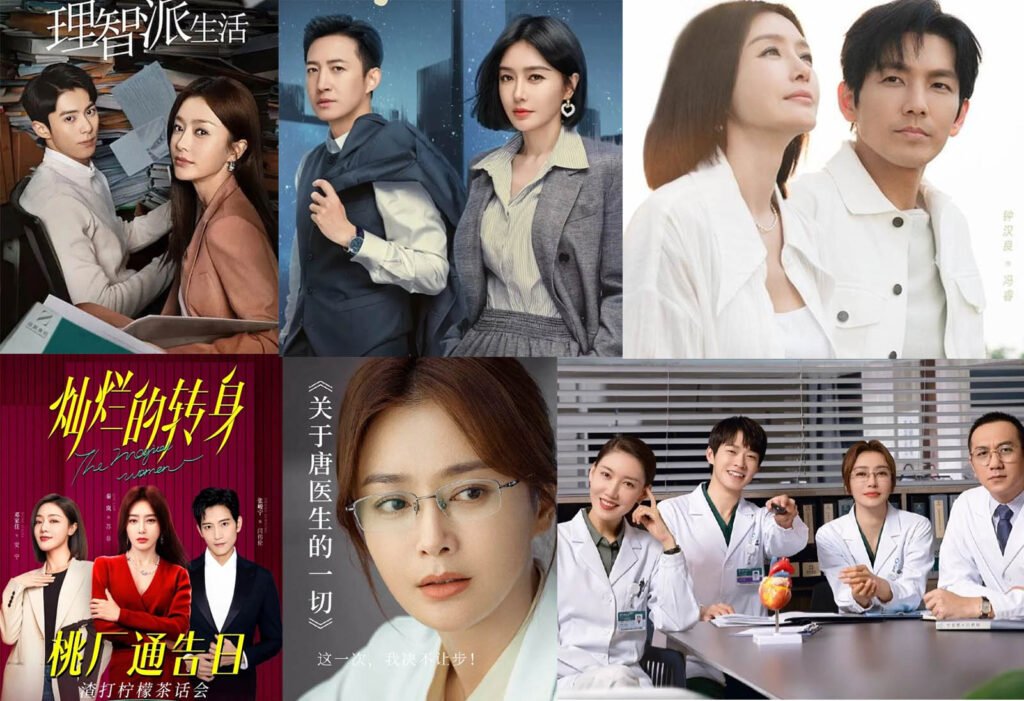
At the same time, her increasing participation in major public events and cultural programs gradually stabilized her dual identity—not only as an actress, but as a public figure whose presence extended beyond the screen. Visibility, in this phase, was no longer tied to a single role, but distributed across multiple spaces.
Entering 2021, this stability began to translate into something deeper. In The Rational Life (理智派生活), her portrayal of Shen Ruoxin did not remain confined within the narrative of the series. The character’s dilemmas—regarding work, relationships, and personal agency—spilled outward into broader social conversations. Questions about love, marriage, independence, and generational expectations found echoes in the audience’s response, allowing the role to exist simultaneously within fiction and reality.
Meanwhile, in Raging Fire (怒火·重案), she appeared within a high-intensity cinematic framework, while Break Through (突围) placed her within a more grounded, systemic narrative. Across these varied genres, her presence remained consistent—not dominating, but firmly established.
By 2022, a clearer pattern emerged in her choice of roles. In Legacy (传家), her portrayal of Yi Zhongling embodied restraint and composure within a family epic. In Dr. Tang (关于唐医生的一切), she took on the role of Tang Jiayu, a highly skilled cardiac surgeon, bringing technical precision and emotional control into the performance. In Lady in the Storm (芳心荡漾), she portrayed a divorced interior designer navigating emotional transition in urban life.
These characters, though different in context, shared a common thread: they were no longer defined by romance alone, but by agency, decision-making, and lived experience. They belonged to the present—to a contemporary, urban reality where complexity replaces idealization.
At the same time, Qin Lan began to extend her role within the industry itself. As producer and artistic director of Tibet Raiders (藏地奇兵), she moved beyond performance into creation, gradually reshaping her position from within.
By 2023, her visibility expanded beyond scripted roles. While Stand or Fall (闪耀的她) continued her exploration of modern female narratives, her appearance in the reality program Divas Hit the Road: Silk Road Season (花儿与少年·丝路季) revealed another dimension—one that was more relaxed, more spontaneous, and more immediate.
The nickname “electronic Dora,” born from her distinctive voice and presence in the show, carried a tone of playful irony. Yet, rather than diminishing her image, it added texture to it. She was no longer perceived solely through her characters, but as a person—approachable, human, and quietly self-aware.
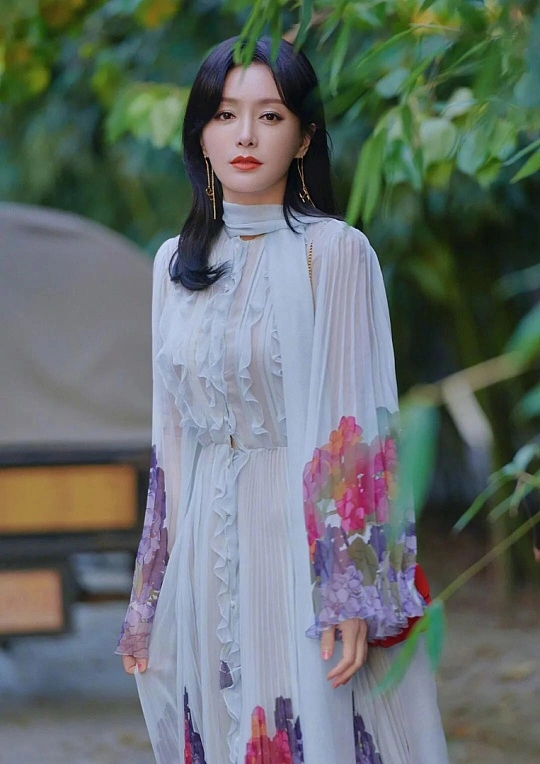
From 2024 to 2026, she maintained a steady and continuous output. In The Ninth Prosecutor (九部的检察官), she portrayed a figure rooted in justice and responsibility. In The Gate of Justice (平等之门), she took on the role of a forensic professional, extending her engagement with institutional narratives. This was followed by projects such as Huang Que (黄雀), Cheng Jia (成家), and Yi Wu Zhi Cheng (亦舞之城), each expanding her presence across different thematic and narrative terrains.
Simultaneously, her appearances in national broadcasts and variety programs ensured a sustained visibility across media platforms.
Looking back at this entire phase, Qin Lan is no longer defined by a singular moment of breakthrough. Instead, she embodies a sustained and composed artistic presence. Her work accumulates rather than explodes, her roles build rather than declare. The light she carries is no longer sudden—it endures, quietly and persistently.
Beyond the Screen: Emotion and the Rhythm of Life
Much like the restraint that defines her performances, Qin Lan’s approach to her personal life reflects a similar sense of measure and distance. Her relationships, though known to the public, have never been excessively narrated, nor turned into defining spectacles.
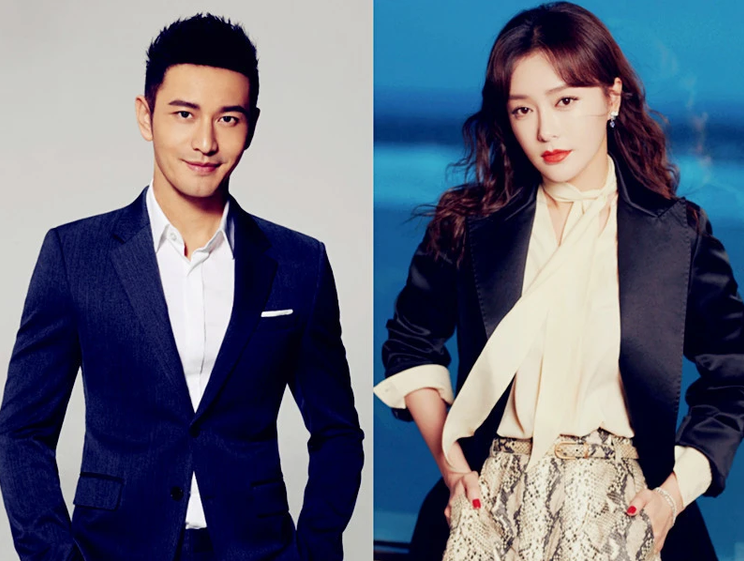
In 2004, she began a relationship with actor Huang Xiaoming during the filming of Long Piao (龙票), which ended in 2006. In 2009, following the completion of City of Life and Death (南京!南京!), she entered a relationship with director Lu Chuan. This relationship lasted until 2014, when it concluded quietly, described simply as having “lost contact.”
These experiences, while part of her life, have never been repeatedly revisited. Instead, they seem to have been absorbed into time—existing without the need for constant articulation.
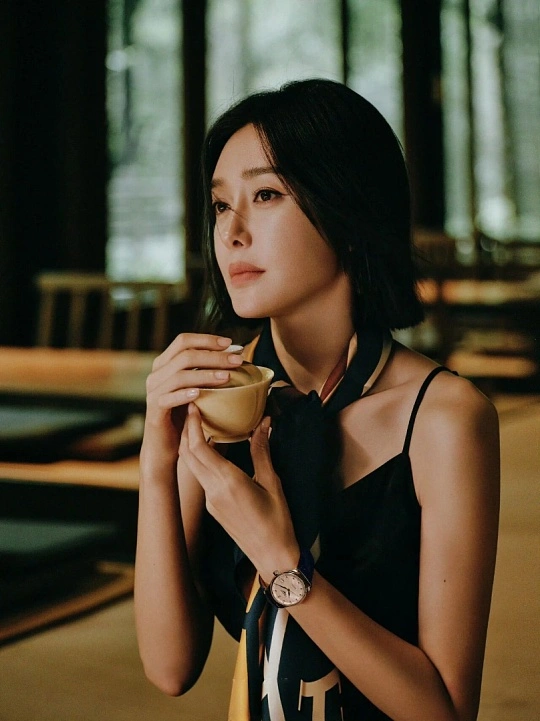
In later interviews, Qin Lan revealed that she had once been faced with the possibility of marriage, but chose not to proceed, feeling unprepared at the time. The decision was neither dramatic nor defensive; rather, it reflected a clear and composed awareness of her own state.
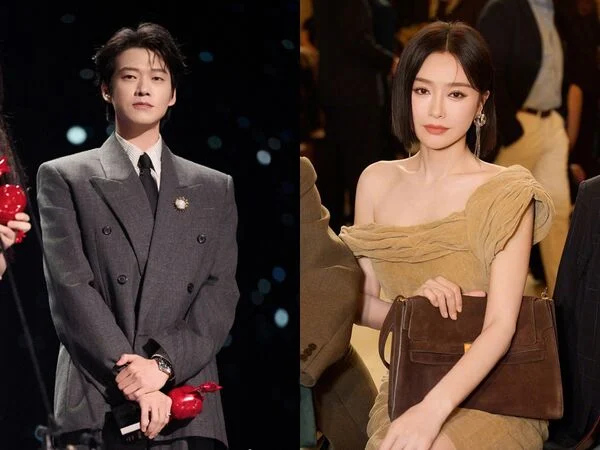
In 2022, her relationship with Wei Daxun attracted public attention after the two were photographed together. Yet when asked directly about her emotional status in a subsequent program, her response remained simple and unembellished: “What you see now is my current state.”
Rather than allowing herself to be defined by relationships, she appears to maintain a deliberate space—one that allows her to exist without immediate categorization. In matters of emotion and life, she does not rush toward conclusions, nor does she attempt to conform to expectation.
Her openness regarding her health further reinforces this sense of groundedness. In 2026, she revealed on Dear Inn (亲爱的客栈) that she had undergone vocal cord surgery in an attempt to address long-standing voice issues. The outcome, however, did not meet expectations.
And yet, she spoke of it with humor. Describing her voice as having shifted from the distinctive “electronic Dora” tone to something rougher—likened jokingly to a “wolf grandmother”—she chose not to conceal the change, but to acknowledge it openly.
In these small, unamplified details, a different image emerges—one that is not constructed for the screen. It is not perfect, nor particularly polished. But it is steady, self-aware, and unmistakably real.
Conclusion: The Trajectory of Time and Light
If one word could be used to describe Qin Lan’s acting, it might be “enduring.”
She was first remembered as a symbol of beauty—an embodiment of the emotional aesthetics found in romantic narratives. But rather than remaining within that definition, she gradually transformed that very beauty into an entry point—into character, into performance, into something deeper and more lasting.
From being seen, to being remembered, to being recognized, her journey does not follow a straight line. It unfolds through accumulation—through time, through roles, through quiet transformation.
From the classical femininity of earlier roles to the grounded presence of contemporary urban women, she has navigated change without losing coherence. What remains constant is not an image, but a sense of self—an awareness of where she stands, and how she chooses to move forward.
Her performances do not rely on exaggeration, nor do they seek immediate impact. Instead, they unfold gradually, allowing emotion to gather, to settle, and ultimately to resonate.
And perhaps that is where her true strength lies.
She is not dazzling in a way that demands instant attention. Her light does not overwhelm. Instead, it becomes clearer over time—quietly, steadily, almost imperceptibly—until it can no longer be ignored.
And Qin Lan, in this sense, is precisely that kind of actress.

