The newly premiered wuxia drama Wu Lin Ling (武林令) has quickly pushed the character of Zhan Zhao back into the spotlight, reigniting discussion among martial arts drama fans. Unlike many previous adaptations where Zhan Zhao mainly functioned as a supporting figure within the Justice Bao universe, this new series places the legendary “Southern Hero” firmly at the center of the story.
Played by Yang Yang, this version of Zhan Zhao is noticeably younger and more heavily rooted in jianghu aesthetics. Adapted from the classic novel The Seven Heroes and Five Gallants (三侠五义), the drama follows Zhan Zhao after he obtains crucial evidence tied to Prince Xiangyang’s rebellion, causing him to become the target of both political forces and martial arts factions.
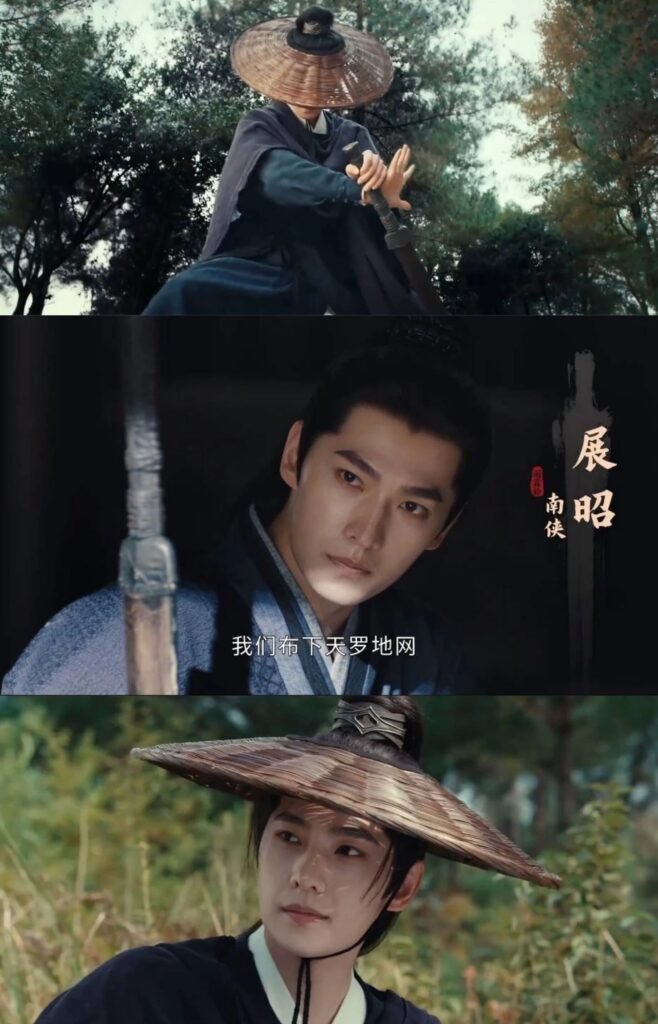
Since the drama’s premiere, audience response toward Yang Yang’s portrayal has been largely positive, especially regarding his appearance, martial arts choreography, and overall character aura. Many viewers feel this version leans more toward the image of a youthful wandering swordsman while still preserving the righteousness and calm restraint traditionally associated with Zhan Zhao.
Compared to older interpretations, this adaptation gives the character a stronger sense of freedom, sharpness, and youthful coldness, making him feel closer to the modern audience’s preferred “young hero” archetype. According to several media reports, the character’s popularity index reportedly surpassed 100 million within roughly fifteen minutes of the drama’s release, immediately generating major online discussion.
At the same time, Zhan Zhao remains one of the most iconic figures in Chinese martial arts television history, which means Yang Yang inevitably faces comparison with the many actors who portrayed the role before him.
Among all previous versions, the most legendary and influential remains Kenny Ho’s portrayal in the 1993 adaptation of Justice Bao (包青天). For many viewers, his version still represents the definitive image of Zhan Zhao. What made Kenny Ho’s performance so beloved was the natural balance he achieved between composure, gentleness, righteousness, and martial heroism.
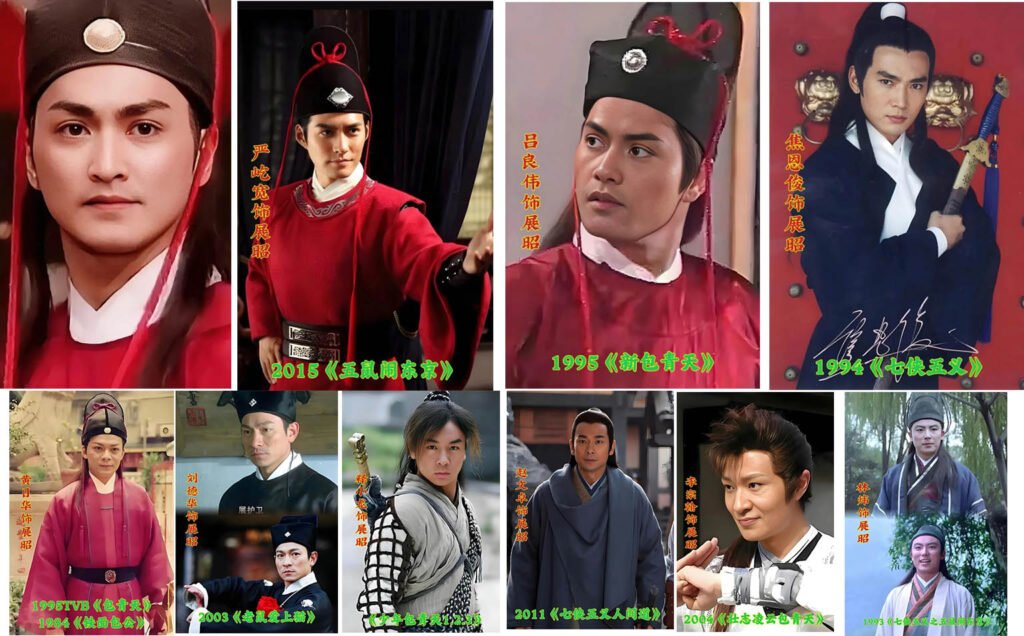
His Zhan Zhao was not merely a powerful fighter, but also a deeply reassuring presence — restrained, elegant, and emotionally stable. The nickname “Imperial Cat Zhan Zhao” became permanently tied to his image, and for many audiences across generations, that version remains inseparable from childhood memories of classic wuxia television.
Another highly popular interpretation came from Vincent Jiao, whose Zhan Zhao carried a more scholarly and refined atmosphere. Compared to the steadier maturity of Kenny Ho, Vincent Jiao brought greater elegance and romantic charisma to the role, blending literary temperament with sharp heroic energy. His version became especially beloved among younger viewers of that era.
Ray Lui also portrayed Zhan Zhao in earlier adaptations, taking the character in a more mature and rugged direction. His performance emphasized the imposing presence of a traditional martial arts hero, carrying heavier masculine authority and seriousness. Although his version never reached the same mainstream cultural impact as Kenny Ho’s, it remains well respected among longtime Hong Kong drama audiences.
Later, Kevin Yan’s interpretation attracted attention largely because of his striking costume-drama visuals and naturally cold aura. His version leaned more heavily into the “beautiful martial arts hero” image, emphasizing visual intensity and romanticized jianghu aesthetics. However, because the overall series itself lacked broad nationwide influence, the character never fully entered the level of cultural classic status.
Now, many viewers are beginning to see Yang Yang as one of the strongest modern attempts at redefining Zhan Zhao for a new generation.
The comparison between Yang Yang and Kenny Ho happens frequently not only because both actors possess a naturally upright and heroic appearance, but also because they each carry a strong martial arts aura. However, their interpretations differ significantly in style.
Kenny Ho embodied the image of a seasoned and emotionally mature hero shaped by life experience, while Yang Yang presents a younger Zhan Zhao defined by a mix of coldness, youthful spirit, and modern idol-style charisma. His portrayal feels more visually polished and contemporary, aligning closely with current audience aesthetics.
So far, most praise surrounding Yang Yang’s version focuses on his physical compatibility with the role, fluid action scenes, and strong screen presence. However, whether he can truly rival or surpass the classic versions will ultimately depend on the later stages of the drama.
Because for many audiences, the hardest part of playing Zhan Zhao has never simply been looking handsome or performing martial arts convincingly. The true challenge lies in capturing the character’s deeper essence — a man who appears gentle and refined, yet possesses an untouchable moral strength beneath that calm exterior.

